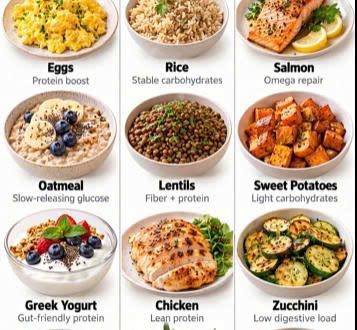
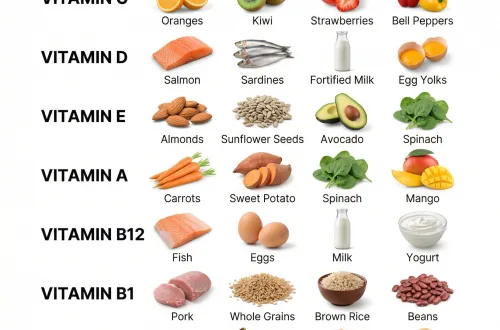
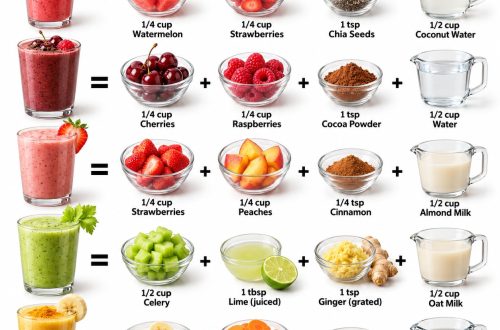
Brain fog, forgotten names, walking into a room and blanking on why you’re there… little memory slips can feel scary as we get older.
You can’t freeze time, but you can feed your brain so it ages more gracefully. The simple foods like sardines, walnuts, blueberries and eggs – are all linked with better cognition and slower decline when eaten regularly as part of a healthy lifestyle.
Most people never realize their weekly grocery list quietly shapes how clearly they’ll think 10 – 20 years from now.
Let’s walk through each brain food and how to actually use it in real meals.
1. Sardines
Sardines are packed with omega-3 fats (EPA & DHA), the same fats your brain uses to build cell membranes and keep communication between neurons smooth. Higher omega-3 levels are linked with better brain structure and thinking skills in midlife and beyond.
How to add them
- Mash with a little olive oil, lemon and herbs on whole-grain toast.
- Toss into tomato-based pasta or salads instead of processed meat.
2. Walnuts
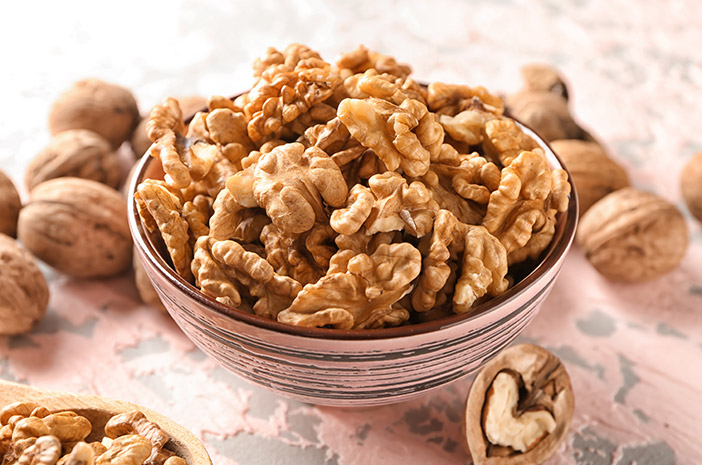
Walnuts really are “brain nuts.” They bring plant omega-3 (ALA), polyphenols and vitamin E, all of which help reduce inflammation and oxidative stress—two big drivers of brain aging. Studies suggest regular walnut eaters perform better on memory and processing tests and may have slower mild cognitive impairment progression.
How to add them
- Sprinkle on oatmeal, yogurt or salads.
- Snack on a small handful (about 14 halves) instead of chips.
3. Blueberries
Blueberries are loaded with anthocyanins, dark purple pigments that act as powerful antioxidants and may improve blood flow to brain regions involved in memory. Regular blueberry intake has been tied to better cognitive performance and a lower risk of dementia.
How to add them
- Add fresh or frozen berries to smoothies, porridge or Greek yogurt.
- Keep a bag of frozen blueberries on hand for quick desserts.
4. Leafy Greens
Spinach and other leafy greens supply lutein, vitamin K, folate and nitrates, nutrients linked with slower cognitive decline. One daily serving has been associated with brain function equivalent to being about 11 years younger in some studies.
How to add them
- Toss a big handful into omelets, soups or pasta.
- Blend spinach into smoothies – you won’t taste it, but your brain will appreciate it.

5. Turmeric
Turmeric’s golden pigment curcumin crosses the blood–brain barrier and shows anti-inflammatory, antioxidant and anti-amyloid effects in research—mechanisms that may help preserve cognitive function.
How to add it
- Stir ½–1 teaspoon into curries, lentils or roasted vegetables with a pinch of black pepper (which boosts absorption).
- Make “golden milk” with warm milk or plant milk, turmeric, ginger and a little honey.
6. Olive Oil
Extra-virgin olive oil brings monounsaturated fats and phenolic antioxidants that protect blood vessels and brain cells. Mediterranean-style diets rich in olive oil are associated with better memory and a lower risk of dementia.
How to add it
- Use olive oil as your main cooking fat for low-to-moderate heat.
- Drizzle over salads, cooked vegetables, hummus or whole-grain bread.
7. Garlic
Garlic isn’t just for flavor. Its sulfur compounds have antioxidant and anti-inflammatory effects, and emerging research suggests they may help protect the brain against age-related damage and support cognitive performance.
How to add it
- Crush a clove, let it sit a few minutes to activate beneficial compounds, then sauté gently in olive oil.
- Use in soups, stews, sauces and roasted vegetables most days.
8. Eggs
Eggs are one of the richest sources of choline, a building block for acetylcholine, the neurotransmitter crucial for memory and learning. Higher choline intake has been linked with better verbal memory and overall cognitive function in older adults.
How to add them
- Enjoy 1–2 boiled or poached eggs at breakfast with leafy greens.
- Use eggs in veggie-heavy frittatas or grain bowls for a balanced, brain-friendly meal.
These foods support brain health; they don’t replace medical care or medications for dementia, stroke or other conditions. Always talk with your doctor if you notice rapid memory loss, confusion or big personality changes.
💾 Save this guide so you can plan your next brain-boosting grocery trip.
📤 Share it with a friend or parent who wants to stay sharp and independent as they age.