Unlock the Ancient Secret: Unexpected Uses of Amaranth for Modern Well-being
In our fast-paced world, many people often feel overwhelmed by the search for simple, natural ways to support their health. Diets can sometimes lack the fundamental nourishment needed to sustain vibrant well-being, leading to a host of common concerns from sluggish digestion to persistent fatigue. While countless remedies promise quick fixes, an ancient plant, often overlooked, offers a gentle yet powerful approach to revitalizing your body.
This is where Amaranth, a revered staple from bygone eras, unexpectedly comes to the rescue. Its humble appearance belies a rich tapestry of nutrients and beneficial compounds that have quietly supported communities for centuries. Most people never realize this works because they often overlook the powerful potential of traditional plants readily available, preferring more complex or exotic solutions.
Ingredients
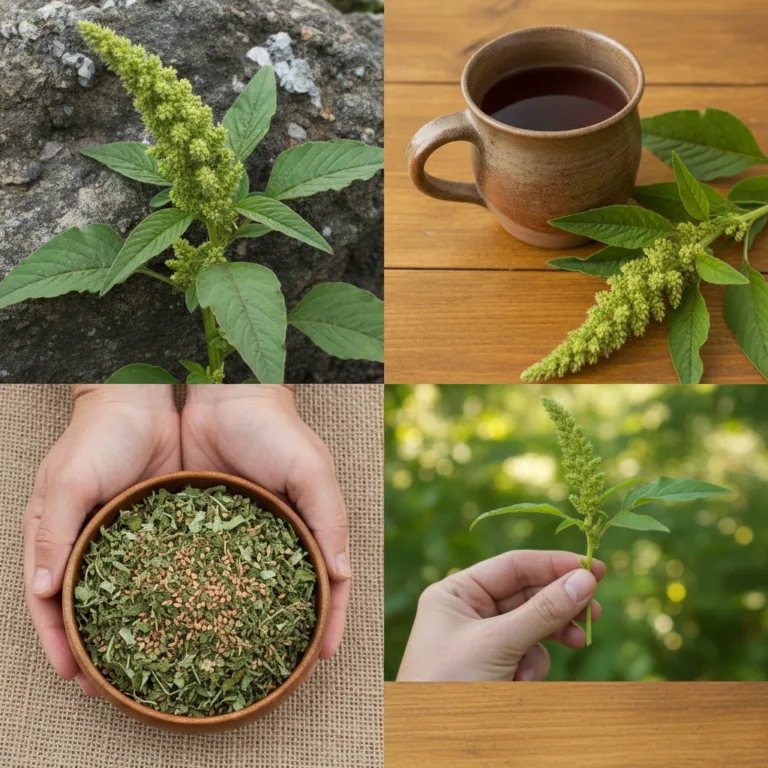
Harnessing the benefits of Amaranth is surprisingly straightforward, using readily available forms of the plant:
- Amaranth Leaves: Fresh young leaves can be found in specialty markets or grown in your garden. Dried leaves are also available for teas and infusions.
- Amaranth Seeds: These tiny, nutrient-dense seeds are often found in health food stores.
- Water: Filtered or spring water for brewing.
- (Optional) Honey or lemon: For taste adjustment in teas.
How to Prepare
For Amaranth Leaf Tea (Infusion)
- Take a handful (approx. 1/4 cup) of fresh Amaranth leaves or 1 tablespoon of dried leaves.
- Rinse fresh leaves thoroughly.
- Place leaves in a heat-resistant cup or teapot.
- Pour 1 cup of boiling water over the leaves.
- Allow to steep for 5-10 minutes. For a stronger infusion, steep longer.
- Strain the leaves and sweeten with honey or add a slice of lemon if desired.
For Cooked Amaranth Seeds
- Rinse 1/2 cup of Amaranth seeds under cold water in a fine-mesh sieve.
- Combine the rinsed seeds with 1.5 cups of water or broth in a saucepan.
- Bring to a boil, then reduce heat to low, cover, and simmer for 20-25 minutes, or until the water is absorbed and the seeds are fluffy.
- Fluff with a fork and serve as a side dish or add to salads and stews.
How to Use + Best Time to Take
Amaranth Leaf Tea
Enjoy Amaranth leaf tea 1-2 times a day. It can be particularly soothing after meals to aid digestion, or in the morning as a gentle, nourishing start to your day. It’s also a comforting beverage during times of general discomfort or when seeking a moment of calm.
Cooked Amaranth Seeds
Cooked Amaranth seeds can be incorporated into your diet regularly. They are an excellent addition to your breakfast porridge, adding a protein boost. You can also use them as a gluten-free grain alternative in lunches and dinners, providing sustained energy and supporting satiety with any meal.
Why It Works (Science Insight)
Amaranth’s impressive profile is rooted in its rich composition of essential nutrients and bioactive compounds. Both the leaves and seeds are celebrated for their high protein content, including the essential amino acid lysine, often lacking in other grains. This makes it a complete protein source, vital for tissue repair and overall body function.
The plant is also an excellent source of dietary fiber, which is crucial for digestive health. Fiber promotes regular bowel movements, supports a healthy gut microbiome, and can help maintain stable blood sugar levels. Furthermore, Amaranth is packed with various antioxidants, such as phenols and flavonoids, which combat oxidative stress in the body. These compounds play a role in reducing inflammation and protecting cells from damage. Minerals like iron, magnesium, phosphorus, and manganese, along with vitamins A and C (especially in the leaves), contribute to bone health, energy production, and immune function. Its holistic nutritional support makes it a remarkable ally for overall wellness.
Who Benefits Most
Amaranth is particularly beneficial for:
- Individuals seeking gluten-free grain alternatives: Its seeds are naturally gluten-free.
- Those looking to boost protein intake: Especially useful for vegetarians, vegans, and athletes.
- People aiming to improve digestive health: High fiber content aids regularity.
- Anyone interested in nutrient-dense foods: Provides a wide array of vitamins and minerals.
- Individuals supporting bone health: Rich in calcium, magnesium, and phosphorus.
- Those managing inflammation: Thanks to its antioxidant profile.
Quick Notes / Safety / Simple Adjustments
- Harvesting Leaves: If harvesting fresh Amaranth leaves, ensure they come from a clean, pesticide-free source. Younger leaves tend to be more tender and less bitter.
- Variety: While often referred to as a