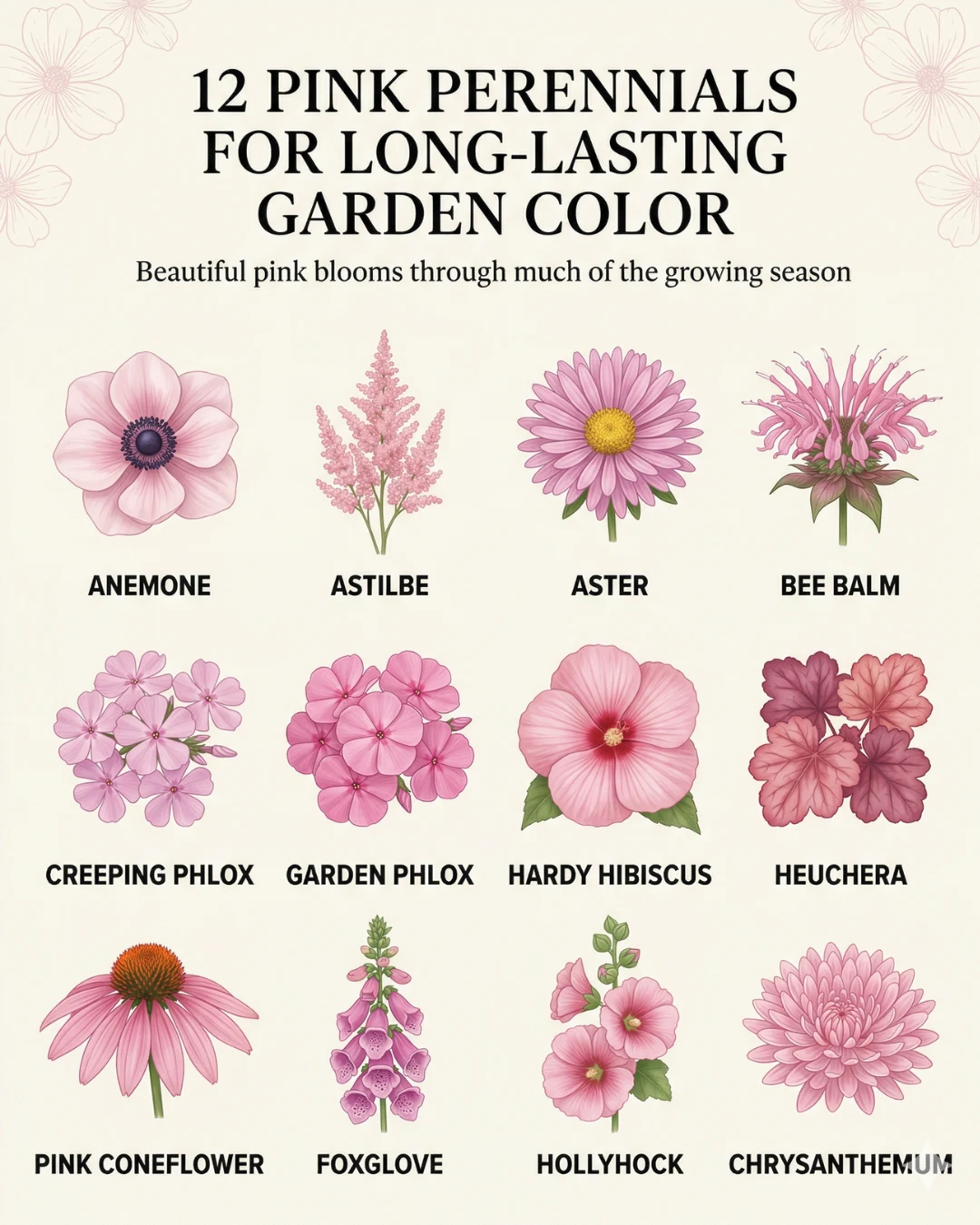
If you want a garden that feels cheerful for months instead of weeks, pink perennials are one of the easiest ways to create lasting color without replanting every season. There highlights 12 favorites anemone, astilbe, aster, bee balm, creeping phlox, garden phlox, hardy hibiscus, heuchera, pink coneflower, foxglove, hollyhock, and chrysanthemum and together they can do more than make a yard look pretty. Chosen well, they support pollinators, soften the edges of vegetable plots, attract beneficial insects, and make the whole farmstead feel alive.
For gardeners and small farmers, this matters. A thriving landscape is not just decoration. It becomes part of the daily system: it reduces stress, improves biodiversity, supports pollination, and makes you want to spend more time outside noticing what your land needs.
Why pink perennials are worth planting
Pink flowering perennials are useful because they give repeated seasonal interest while fitting into many garden styles, from cottage gardens to neat raised-bed borders. More importantly, many of them bridge bloom gaps. Creeping phlox starts the show in spring. Bee balm, garden phlox, coneflower, hollyhock, and hardy hibiscus carry summer. Asters and chrysanthemums extend color into fall.
That sequence gives you a practical advantage: continuous nectar for pollinators and a landscape that never looks “finished too early.” If your vegetable beds depend on bees and your fruiting crops need better pollination, these flowers help do part of that work.
How to plant these 12 pink perennials for success
The biggest mistake with perennials is planting for looks only. Plant for performance first.
1. Match the plant to the light
Bee balm, asters, garden phlox, coneflower, hollyhock, chrysanthemum, and hardy hibiscus generally perform best with plenty of sun. Astilbe and heuchera are better choices where afternoon shade protects delicate foliage and blooms. Anemone often appreciates bright light without harsh, scorching conditions.
Before planting, watch your space for one full day. Morning sun and afternoon shade is very different from full-day exposure. That small observation saves money and disappointment.
2. Improve soil before you buy more plants
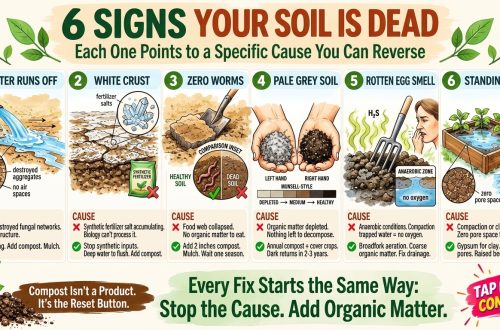
If a bed struggles, more plants will not fix it. Start with soil texture and drainage. Mix in compost before planting. For heavy clay, loosen the root zone deeply so water does not pool around crowns. For sandy ground, add organic matter to help it hold moisture.
A simple habit transforms results: each spring, top-dress perennial beds with compost rather than relying only on synthetic fertilizer. You get steadier growth, healthier soil life, and better water retention.

3. Plant in layers, not rows
For a fuller and more natural look, arrange plants by height and bloom time. Put taller flowers like hollyhock, foxglove, hardy hibiscus, and some asters toward the back. Use mid-height plants like bee balm, garden phlox, and coneflower in the middle. Tuck low growers like creeping phlox and heuchera along paths and borders.
This layered approach also improves air movement, which matters because crowded beds are more likely to develop mildew and leaf disease.
Practical care tips for the featured plants
Bee balm and garden phlox: beautiful, but give them airflow
These two are classic cottage-garden favorites, but they can get powdery mildew if packed too tightly. Space them generously. Water at the soil line, not over the leaves. Thin congested stems in late spring if plants become dense.
A useful farmstead trick: plant them where you walk often. If mildew begins, you will catch it early instead of after the whole clump declines.
Astilbe and heuchera: excellent for shaded edges
These are ideal for softening porches, water trough areas, shaded fence lines, or the north side of outbuildings. They need steadier moisture than drought-tolerant prairie plants. Mulch around them to keep roots cool and reduce watering frequency.
Coneflower and aster: resilient and pollinator-friendly
These are hardworking perennials for busy growers. Once established, they are relatively forgiving and useful near vegetable gardens, orchard edges, and herb beds. Deadhead some blooms to prolong flowering, but leave a few seed heads in place later in the season for wildlife and winter structure.
Hardy hibiscus and hollyhock: statement plants
These bring drama. Because they grow large, feed them with compost and keep watering consistent during hot weather. Hollyhocks may need staking in windy areas. Plant them where they can create a backdrop rather than block smaller crops.
The best watering routine for lasting blooms
Deep watering beats frequent light watering. Shallow watering trains roots to stay near the surface, where heat stress hits fastest. Water thoroughly, then allow the upper soil to dry slightly before watering again, depending on the plant and weather.
One strong routine for home gardens and small farms is this:
- Water early in the morning
- Soak the root zone deeply
- Mulch after watering
- Check soil by hand before watering again
That one rhythm reduces disease, saves water, and builds stronger plants.
Mulch, deadheading, and dividing: the low-effort trio that changes everything
These three tasks are the quiet secret behind healthy perennial beds.
Mulch
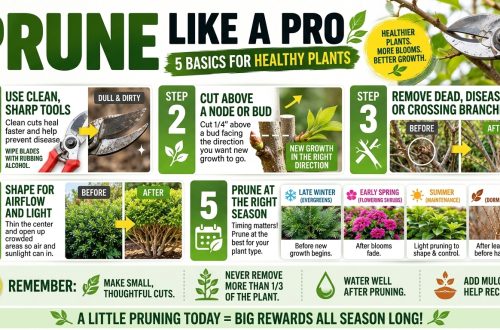
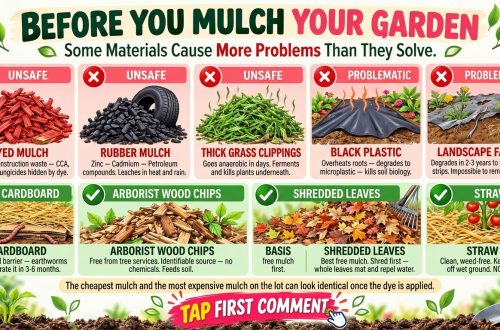
A two- to three-inch layer of mulch helps suppress weeds, hold moisture, and regulate soil temperature. Keep mulch slightly away from stems and crowns so plants do not rot.
Deadheading
Remove spent blooms on phlox, bee balm, coneflower, and chrysanthemums when you want more flowers and a tidier appearance. Do not deadhead everything. Leave some late-season seed heads for birds and winter interest.
Dividing
Many perennials become crowded after a few years. If flowering decreases or the center of a clump looks weak, divide it. Early spring or early fall is usually the easiest time. This gives you free plants and restores vigor.
How flowers can improve farm management
A flower bed is not separate from farm productivity. It can be part of the system.
Plant pink perennials near vegetable plots, poultry runs, and pathways you use every day. This does three useful things: it makes chores more pleasant, draws pollinators and beneficial insects into working areas, and helps you monitor land conditions because you are outside observing more often.
That matters more than many people realize. Better observation leads to earlier action—catching dry soil, pest pressure, fencing issues, or feed problems before they grow.
Livestock and poultry care lessons from the garden
Good gardening and good animal husbandry rely on the same principle: consistency beats intensity.
For poultry
Keep bedding dry, water clean, and shade reliable in warm months. Chickens under heat stress lay less, drink more, and become vulnerable faster than many keepers expect. Plant shade nearby where appropriate, but protect ornamental beds from scratching with simple edging or low fencing.
A practical habit: do a five-minute flock check morning and evening. Look at comb color, movement, droppings, water level, and feed behavior. Small signs tell the story early.
For larger livestock
Cattle, goats, and sheep benefit from clean water, mineral access, secure fencing, and pasture rotation. Overgrazed areas are the livestock version of exhausted soil. Rotate pressure before land declines. Rested pasture recovers better, resists erosion, and supports healthier animals.
Keep ornamentals and animals safely separated
Some ornamental plants may not be ideal for browsing animals, especially in confined spaces. The safest approach is simple: fence garden beds and do not assume livestock or poultry will ignore what you planted because it is “just flowers.”
A simple weekly routine for a thriving garden and homestead
Here is a routine that works because it is realistic:
- Walk beds and animal areas twice a week with pruners and a bucket
- Deadhead spent blooms as needed
- Pull weeds before they seed
- Refill mulch where soil is exposed
- Check irrigation, hoses, and troughs
- Observe pollinator activity and animal behavior
- Make one improvement each week, even a small one
That last point matters. One fixed gate latch, one divided clump, one weeded row, one cleaned waterer small, repeated actions build a thriving place.
Final thoughts
The 12 pink perennials in the image are more than attractive flowers. They are tools for building a garden and farmstead that feels abundant, calm, and alive across the seasons. When you combine thoughtful planting, deep watering, mulch, pruning, pollinator support, and steady livestock or poultry care, daily work gets easier and more rewarding.
That is the real goal: not perfection, but rhythm. A garden that keeps blooming. Animals that stay healthy. Land that responds well to care. And a routine that turns effort into beauty, productivity, and a deeper connection with the natural world.