Many gardens attract butterflies for a moment. Far fewer support them for a lifetime.
That difference matters. A flower bed full of bright blooms may bring in adult butterflies for nectar, but if it does not include the right host plants, it will not help them lay eggs, feed caterpillars, form chrysalises, and complete the next generation. This is where butterfly gardening becomes more meaningful. It shifts from decoration to habitat.
A truly effective butterfly garden includes two things working together: nectar plants for adults and host plants for caterpillars. Nectar keeps butterflies visiting. Host plants keep butterfly populations going. If your goal is not just to admire butterflies but to support them in a lasting, practical way, this is the step that transforms your garden.
Six of the most important host plant groups to know are milkweed, parsley family plants such as dill and fennel, native violets, asters, spicebush, and passionflower. Each supports a specific butterfly relationship, and each can be used thoughtfully in a home garden, small farm, pollinator strip, or mixed landscape.
Why nectar alone is not enough
Butterfly gardens are often built around flowers that bloom brightly and produce abundant nectar. That is helpful, but only for the adult stage.
A butterfly’s life cycle includes:
- egg
- caterpillar
- chrysalis
- adult
The adult butterfly can sip nectar from many flowers. The caterpillar cannot. Caterpillars are much more selective. Many can survive only on one plant species or one plant family. If that host plant is missing, the butterfly may visit your garden, but it cannot reproduce there successfully.
This is one of the most important shifts in ecological gardening: learning to accept that a healthy habitat includes some leaf chewing. If you want butterflies, you must be willing to feed their young.
The six host plants that make a butterfly garden truly useful
1. Milkweed: essential for the full monarch life cycle
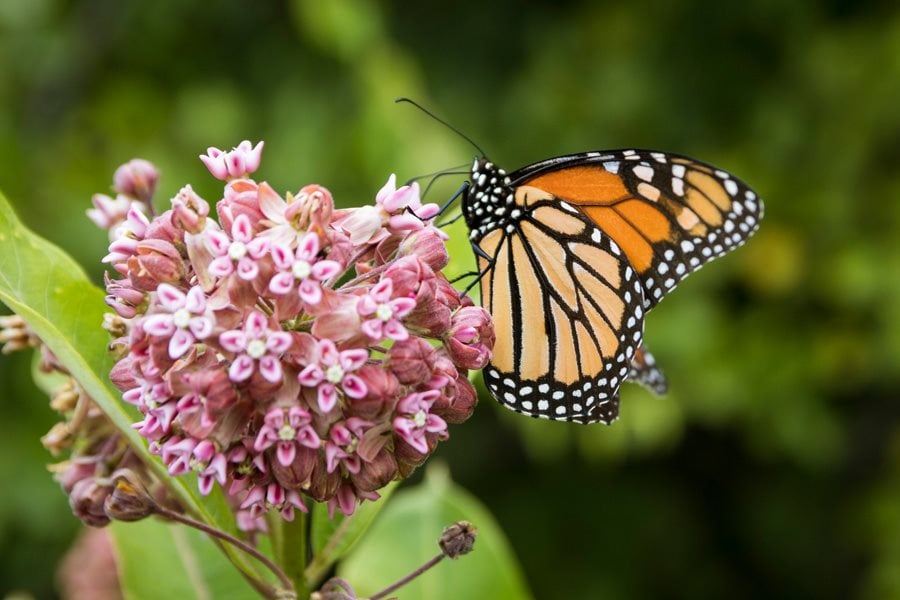
Milkweed is one of the most important butterfly plants a gardener can grow because it supports the monarch from egg to adult. Monarch butterflies lay eggs on milkweed. The caterpillars hatch and feed on its leaves. Without milkweed, monarch reproduction cannot continue.
Why it matters
Milkweed is not just a nice native plant. It is a life-support plant for monarchs.
Practical growing tips
Choose species suited to your climate and region. Give milkweed good light and enough room to establish. Many types do best in full sun and relatively open conditions. Avoid over-manicuring the planting area. Monarch habitat should look alive, not sterile.
Smart garden strategy
Plant milkweed in clusters rather than one isolated stem. A group is easier for butterflies to locate and gives caterpillars a better food supply.
Important caution
Do not spray insecticides anywhere near milkweed. A plant cannot serve caterpillars if it has been chemically treated.
2. Dill, parsley family plants, fennel, and rue: host plants for black swallowtails
If you want to support black swallowtail caterpillars, plants in the parsley family are extremely valuable. Dill, parsley, fennel, and rue are especially well known for attracting egg-laying adults and feeding the caterpillars once they hatch.
Why gardeners love this group
These plants are useful in the kitchen and useful for habitat, which makes them some of the easiest host plants to include in a productive garden.
Practical growing tips
Sow successive rounds of dill and parsley so you always have fresh growth available. Caterpillars can strip a small planting quickly, especially if several appear at once. Fennel grows larger and can handle more feeding pressure.
Smart garden strategy
Plant extra on purpose. Do not treat your host planting like a garnish row. Give yourself enough to harvest and enough to share with swallowtails.
A mindset shift that helps
If you grow parsley and see caterpillars eating it, that is not failure. That is proof the habitat is working.

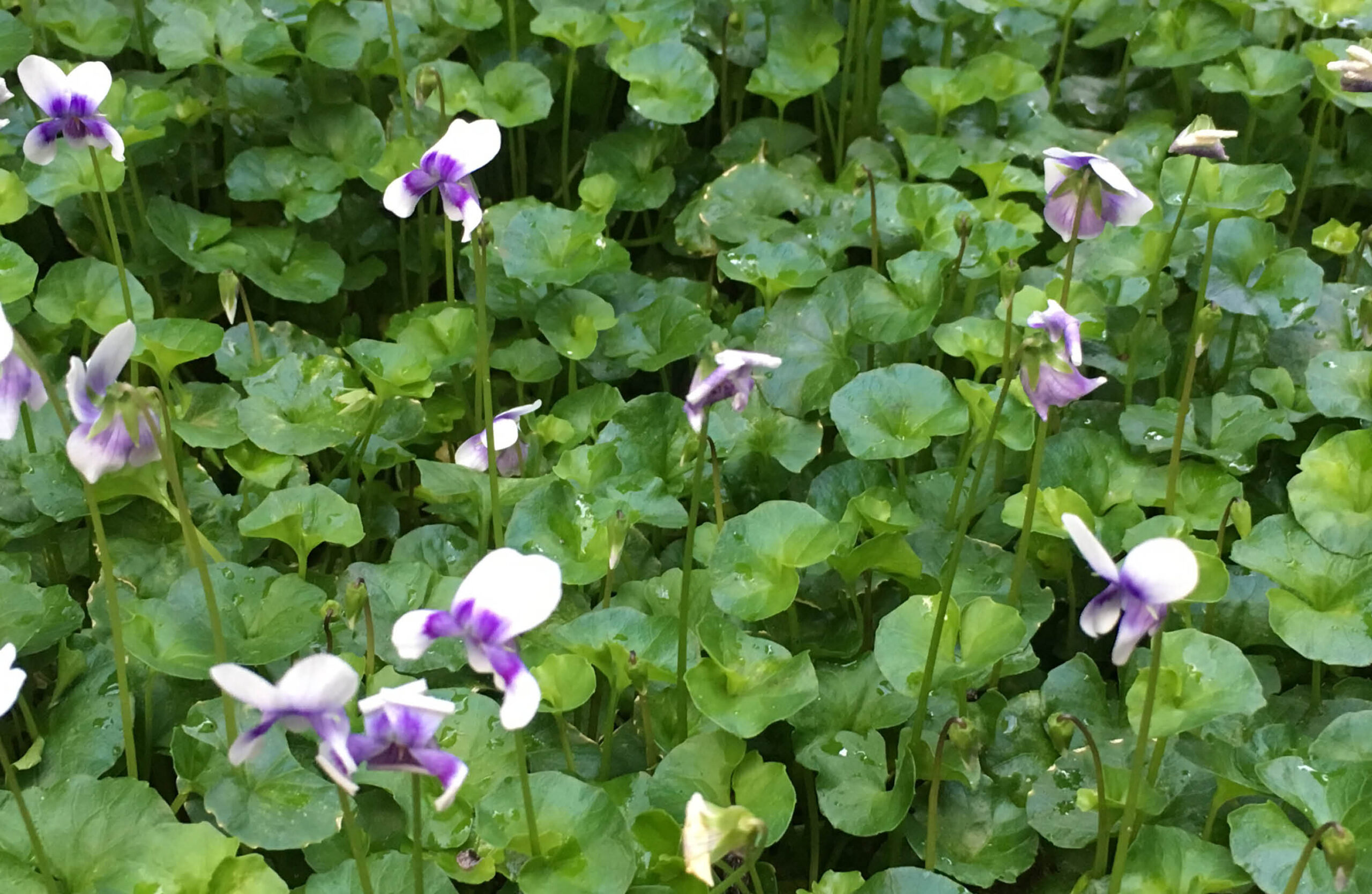
3. Native violets: quiet but important hosts for fritillary caterpillars
Native violets are less flashy than many butterfly garden favorites, but they play an important role as host plants for fritillary caterpillars. They are especially useful in layered gardens, woodland edges, and partially shaded spaces where not every pollinator plant needs to be tall and showy.
Why they matter
Violets expand butterfly gardening beyond sunny flower borders. They help turn lower, softer parts of the garden into habitat too.
Practical growing tips
Use native violets as a living ground layer where appropriate. They often work well under shrubs, near paths, or in edges that stay a little cooler and moister than open beds.
Smart garden strategy
Let some patches naturalize instead of forcing every inch into a formal planting plan. Butterfly habitat often improves when the garden includes a few spaces that feel less controlled.
Good to remember
Not every useful butterfly plant looks dramatic in bloom. Some of the most valuable habitat plants do quiet, essential work.
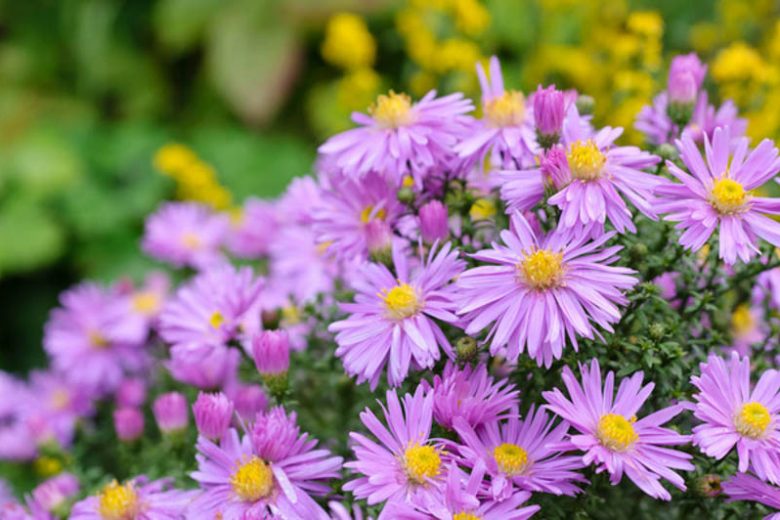
4. Asters: excellent for late-season support and pearl crescent caterpillars
Asters are powerful butterfly plants because they do double duty. They provide nectar late in the season, when many other flowers are fading, and they can also support pearl crescent caterpillars.
Why they matter
Late-season bloom is critical in pollinator gardening. Asters help extend the feeding season for adults while also contributing to the next generation.
Practical growing tips
Give asters enough sun and space for airflow. They can become dense, so spacing matters. Divide them when clumps become crowded. Healthy, vigorous asters make better habitat than weak, congested ones.
Smart garden strategy
Mix asters with other seasonal bloomers so your habitat does not peak only once. A butterfly-friendly garden should offer value in spring, summer, and fall.
Productivity tip for gardeners
Asters are also excellent for making the garden feel full and alive late in the year, when many beds begin to fade. That visual energy keeps gardeners engaged and observant.
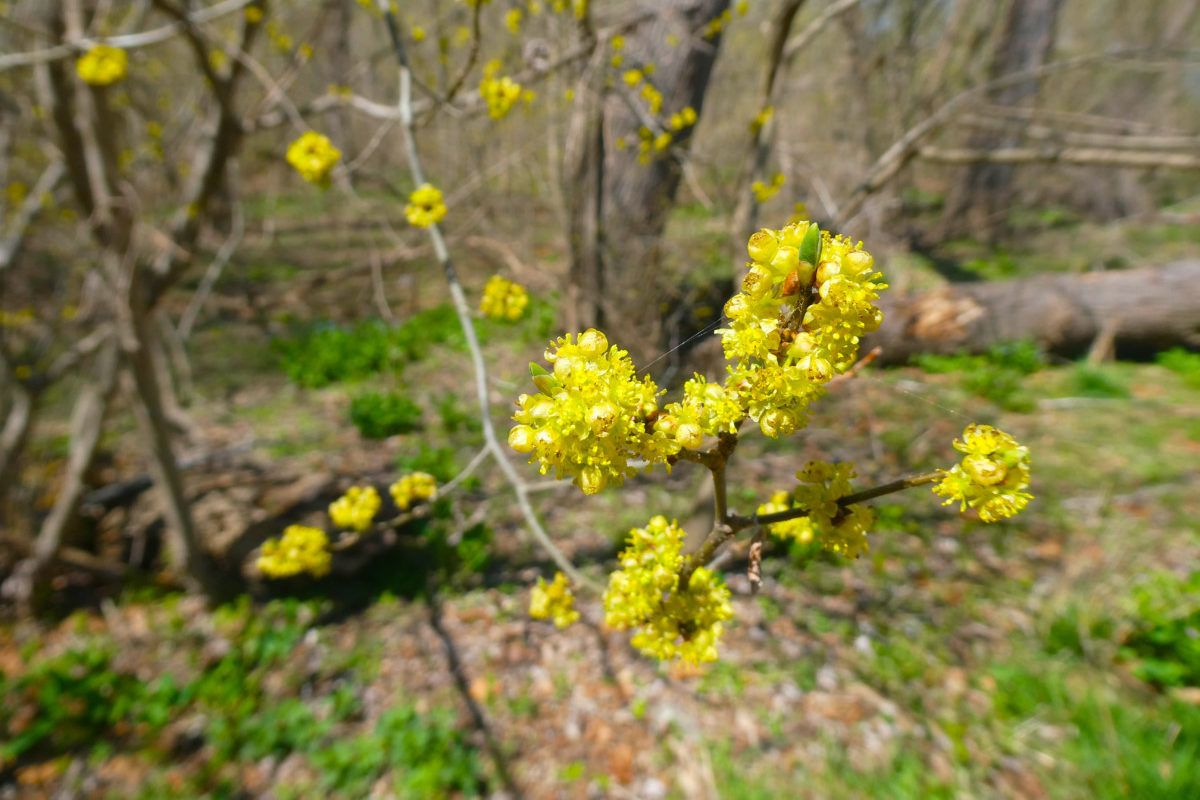
5. Spicebush: a beautiful shrub that hosts spicebush swallowtails
Spicebush is an outstanding example of how shrubs can be part of butterfly habitat, not just perennials and flowers. It serves as the host for spicebush swallowtail caterpillars and adds structure to the garden at the same time.
Why it matters
A good butterfly garden should include layers: groundcovers, herbs, flowers, vines, and shrubs. Spicebush helps create that layered system.
Practical growing tips
Place spicebush where it has room to develop naturally. As a shrub, it contributes long-term stability to the planting. Once established, it becomes part of the permanent framework of the garden rather than a seasonal filler.
Smart garden strategy
Use host shrubs to anchor pollinator borders or woodland-style plantings. This makes the habitat more resilient and less dependent on annual replanting.
Design benefit
Spicebush helps butterfly gardening feel intentional and beautiful, not messy. It brings ecological function into a more structured landscape.
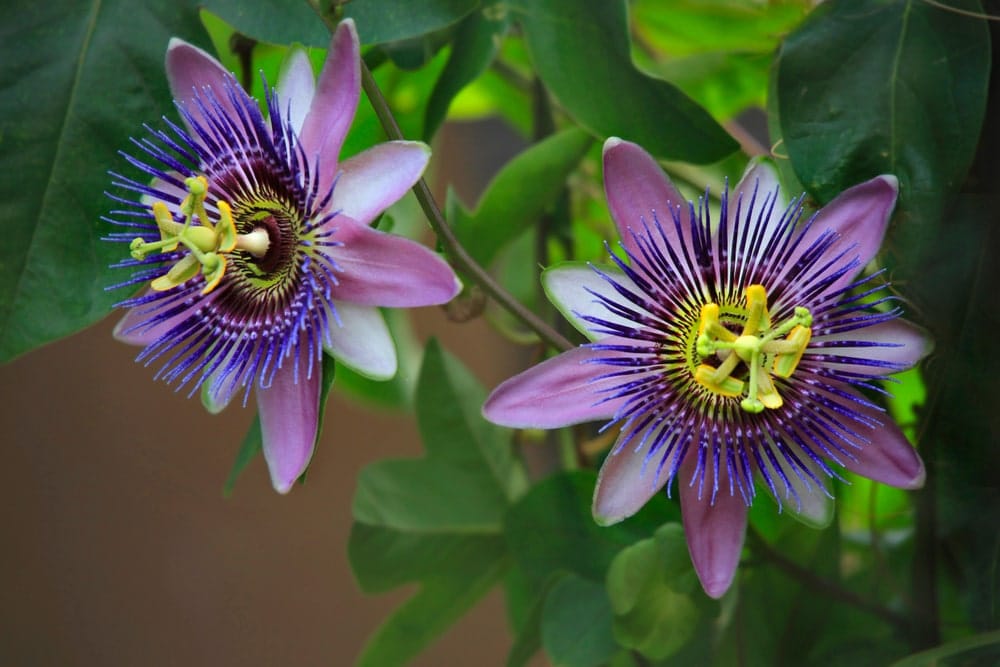
6. Passionflower: a striking vine for gulf fritillary caterpillars
Passionflower is one of the most rewarding host plants for gardeners who love dramatic vines. It supports gulf fritillary caterpillars and brings movement, flowers, and vertical interest into the garden.
Why it matters
Vines are often underused in pollinator gardens. Passionflower proves that vertical space can be habitat too.
Practical growing tips
Give passionflower a trellis, fence, or sturdy support. Keep an eye on its growth habit, because a happy vine can spread enthusiastically. Regular training helps keep it productive and attractive.
Smart garden strategy
Plant passionflower where caterpillars can feed without making the area feel untidy. Along a fence, trellis, or side structure often works beautifully.
Garden management note
When growing host vines, check regularly for eggs and caterpillars before pruning or trimming. Do not accidentally remove the life you were hoping to support.
How to combine nectar plants and host plants the right way
The strongest butterfly gardens do not choose one or the other. They combine both.
A practical layout might include:
- host plants grouped where caterpillars can feed safely
- nectar plants nearby for adult butterflies
- layered heights, from violets and parsley to asters and shrubs
- at least one vertical element such as passionflower
- some undisturbed space where insects can live without constant interference
This creates a garden that functions like habitat rather than a display bed that happens to get visits.
What gardeners often get wrong
Removing caterpillars because leaves look damaged
Leaf damage on a host plant is often the entire point. A pristine host plant is usually a sign it is not being used.
Spraying for pests without thinking
Broad insecticides do not distinguish between “bad bugs” and butterfly larvae. If you want butterfly life, avoid chemicals that destroy it.
Planting only showy nectar flowers
A garden can look pollinator-friendly and still fail ecologically if there is nowhere for butterflies to reproduce.
Over-tidying the garden
Butterfly habitat benefits from a little patience. Not every stem needs cutting, not every patch needs cleaning, and not every chewed leaf is a problem.
A simple weekly routine for a better butterfly garden
A real butterfly garden does not need constant work, but it does benefit from regular observation.
Each week:
- check host plants for eggs and caterpillars
- inspect leaves before pruning
- water new host plants deeply while they establish
- remove weeds that are truly competing, but do not over-strip the soil
- note which plants adult butterflies are visiting most
- make a plan to add missing life-cycle support, not just more color
This kind of observation changes the way you garden. You stop thinking only in blooms and start thinking in relationships.
How this improves gardening skills overall
Supporting butterflies well makes you a better gardener in general. It teaches:
- plant-purpose matching
- seasonal observation
- tolerance for natural feeding damage
- layered planting design
- long-term ecological thinking
Those are powerful skills. They improve not just pollinator beds, but vegetable gardens, orchard edges, herb borders, and mixed homestead landscapes too.
Final thoughts
A meaningful butterfly garden is built on more than nectar. Adults may visit many flowers, but caterpillars need specific host plants to survive. Milkweed, dill and parsley family plants, native violets, asters, spicebush, and passionflower turn a garden from a feeding stop into a living nursery.
That is where butterfly gardening becomes deeply rewarding. You are no longer just attracting beauty for a moment. You are supporting a full life cycle. And once you begin gardening this way, daily care feels different. It becomes more observant, more generous, and more connected to the living systems around you.
That is the kind of knowledge that transforms a garden from ornamental space into a thriving, sustainable practice.