Some of the most useful herbal remedies are not sweet, trendy, or instantly appealing.
Chicory root tea is a perfect example. It has a slightly bitter, earthy character, yet that bitterness is part of why traditional herbal systems have used it for digestion and appetite support for so long. Chicory root comes from Cichorium intybus, and it is especially known for containing inulin, a fermentable fiber classified as a prebiotic. European herbal authorities also recognize chicory root’s traditional use for mild digestive complaints such as fullness, flatulence, slow digestion, and temporary loss of appetite. (European Medicines Agency (EMA))
Most people overlook this remedy because it does not sound exciting. But that simple bitter-prebiotic combination is exactly what makes it interesting.
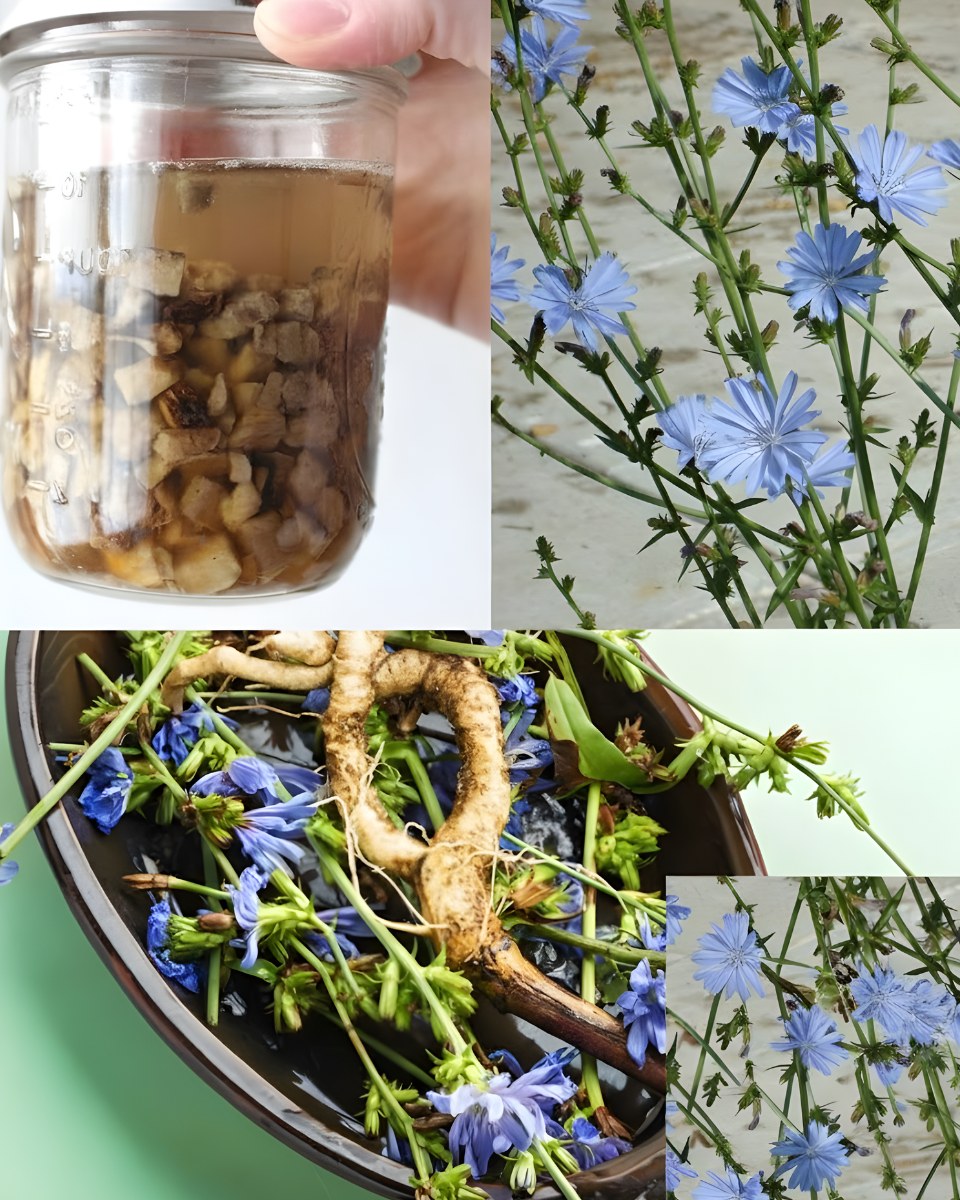
What Chicory Root Does Inside the Body
Chicory root is best known for two things: its traditional bitter-herb role and its inulin content.
Bitters have long been used before or after meals to support digestive comfort. In the European Medicines Agency monograph, chicory root is listed as a traditional herbal medicinal product for mild digestive disorders, including abdominal fullness, flatulence, and slow digestion.
At the same time, chicory root naturally contains inulin-type fructans. Inulin is a non-digestible carbohydrate that acts as a prebiotic, meaning it can be used by certain beneficial gut microbes. Research reviews describe chicory inulin as one of the better-known prebiotic fibers studied for its effects on the intestinal microbiota and fermentation profile.
That does not mean chicory root tea is a cure-all. It means this herb has a plausible reason for its traditional digestive reputation: bitterness may support digestive signaling, while inulin may support the gut environment over time. That second part is an inference based on chicory’s fiber profile and prebiotic research, not proof that every cup of tea will produce a dramatic effect. (PubMed)
Simple Preparation Method
A traditional-style chicory root preparation is easy to make.
Ingredients
- 1 to 2 teaspoons dried chicory root, chopped or roasted
- 1½ to 2 cups water
How to Prepare
Add the chicory root to a small pot with water.
Bring it to a gentle boil, then reduce the heat and let it simmer for about 10 to 15 minutes.
Turn off the heat and let it sit for another 5 minutes.
Strain and drink warm.
If you are new to bitter herbs, start with a lighter brew. Chicory root tea has a stronger taste than many floral or fruity herbal teas.
When to Drink It
This remedy fits best around meals.
A small cup may be most useful:
Before meals
Some people prefer bitter herbs before eating, especially when appetite feels low or digestion feels sluggish.
After heavy meals
This is a common time to use chicory root tea if fullness, bloating, or that “stuck” feeling tends to show up afterward.
As an occasional daily ritual
A modest, consistent routine often makes more sense than large amounts.
Why It Works
This is where the remedy becomes more interesting.
The bitter-herb effect
Traditional herbal medicine often values bitter plants because they may help stimulate digestive processes. Chicory root’s official traditional use in Europe specifically centers on mild digestive complaints and temporary loss of appetite.
The inulin connection
Chicory root is one of the best-known natural sources of inulin. Inulin is fermented in the gut rather than digested in the small intestine, and research describes it as a prebiotic that can influence microbial growth and fermentation patterns.
A realistic expectation
This does not mean immediate results. Because inulin is fermentable, some people may actually notice more gas or bloating when they take too much too quickly. That is why a gentle amount is smarter than assuming more tea will work better.
Who Benefits Most
Chicory root tea may appeal most to people who:
- Feel overly full after meals
- Want a traditional digestion remedy with a bitter profile
- Prefer herbal support instead of sweet wellness drinks
- Are interested in prebiotic-rich plant foods and gut-friendly habits
It can be especially attractive for people who enjoy simple herbal routines and do well with earthy, roasted flavors.
Safety Notes and Simple Adjustments
This part matters.
Chicory root is traditionally used for mild digestive symptoms, but that does not mean it suits everyone. Because chicory contains fermentable fibers, it may aggravate symptoms in some people with sensitive digestion, especially those prone to bloating. NCCIH’s IBS clinical digest notes that evidence around prebiotics for IBS is still limited and that these fibers can affect gut symptoms differently from person to person. (NCCIH)
Use caution if you:
- Have very sensitive digestion or IBS
- React poorly to inulin or high-FODMAP foods
- Are pregnant or taking multiple medications
- Have persistent abdominal pain, unexplained weight loss, or severe digestive symptoms
If you are sensitive, start with half-strength tea and see how your body responds.
When You May Notice Changes
Some people notice a lighter feeling after meals the same day, especially when using a small cup as a bitter digestive tea.
The prebiotic side is slower. Any broader gut-related benefit would be expected over days to weeks, and only as part of an overall pattern that includes food quality, hydration, and meal habits. It is better to think of chicory root tea as a gentle support tool, not a fast fix.
Final Takeaway
Chicory root tea for digestion is a simple herbal remedy with more depth than most people expect. Its traditional bitter action and natural inulin content make it especially interesting for fullness, sluggish digestion, and gentle gut support.
Used in moderation, it can be a practical addition to a digestion-friendly routine, especially for people who appreciate earthy herbal teas and realistic wellness habits.