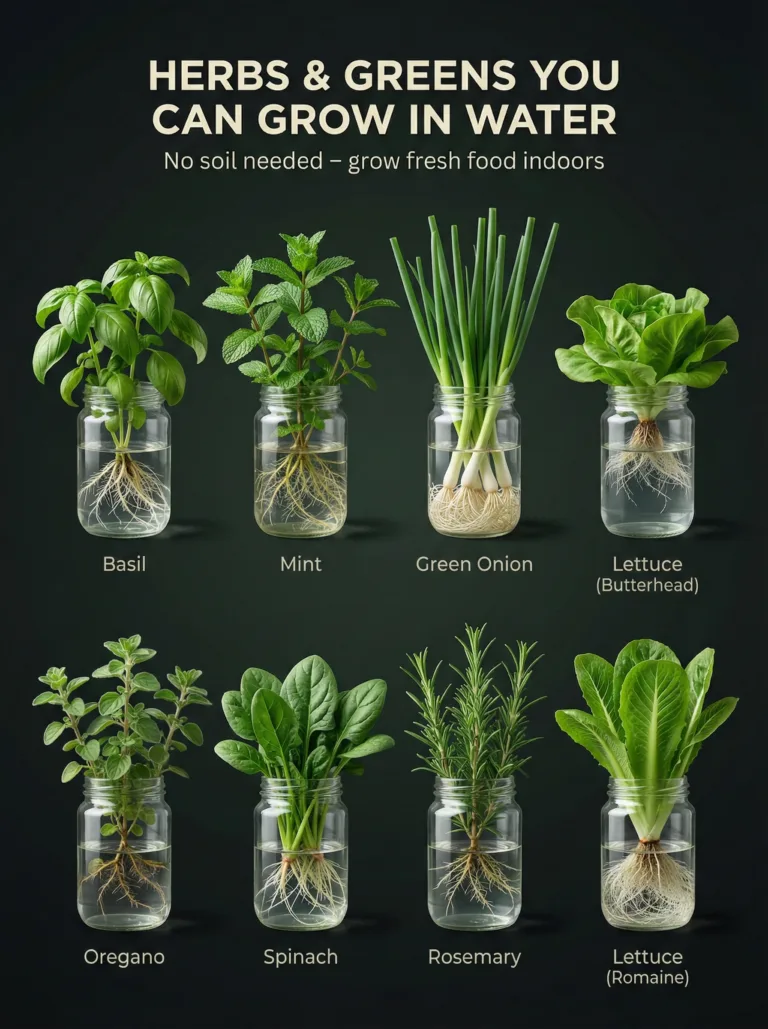
There is something deeply satisfying about turning one healthy herb plant into several new ones with nothing more than a clean cutting, a jar of water, and a little patience. Water propagation is one of the simplest ways to multiply herbs, refresh older plants, and build a more productive kitchen garden without spending much money.
It is also one of the best ways to sharpen real gardening skill. You begin noticing where new roots form, which stems are strong enough to cut, how light affects growth, and when a cutting is ready to move into soil. These are not small lessons. They improve the way you grow herbs in containers, raised beds, and even larger homestead systems.
If you want a practical, low-stress gardening method that fits small spaces, beginner routines, and budget-friendly growing, propagating herbs in water is one of the smartest places to start.
Why water propagation works so well for herbs
Many herbs root readily from stem cuttings because they naturally produce new roots at leaf nodes when given moisture, warmth, and light. Water propagation makes that process visible. Instead of guessing what is happening below the soil, you can watch roots emerge and track progress clearly.
That visibility is especially useful for beginners because it helps you avoid two common problems: planting cuttings too early and keeping unhealthy stems too long. In water, the results are easier to read.
Water propagation is also useful because it helps you:
- multiply favorite herbs quickly
- replace older, woody plants with fresh young growth
- keep herbs going indoors from one season to the next
- create backup plants before summer heat or winter cold causes stress
- make better use of healthy trimmings instead of throwing them away
The basic rule: every cutting needs a healthy node
For most herbs, the most important part of the cutting is the node. That is the point on the stem where leaves emerge. New roots usually form there first.
A good cutting should have:
- a healthy, non-flowering stem
- at least one or two leaf nodes
- several leaves at the top
- the lower leaves removed so they do not sit in water
Cut just below a node using clean scissors or pruners. Then place that lower node in water while keeping the leaves above the waterline.
The best setup for rooting herbs in water
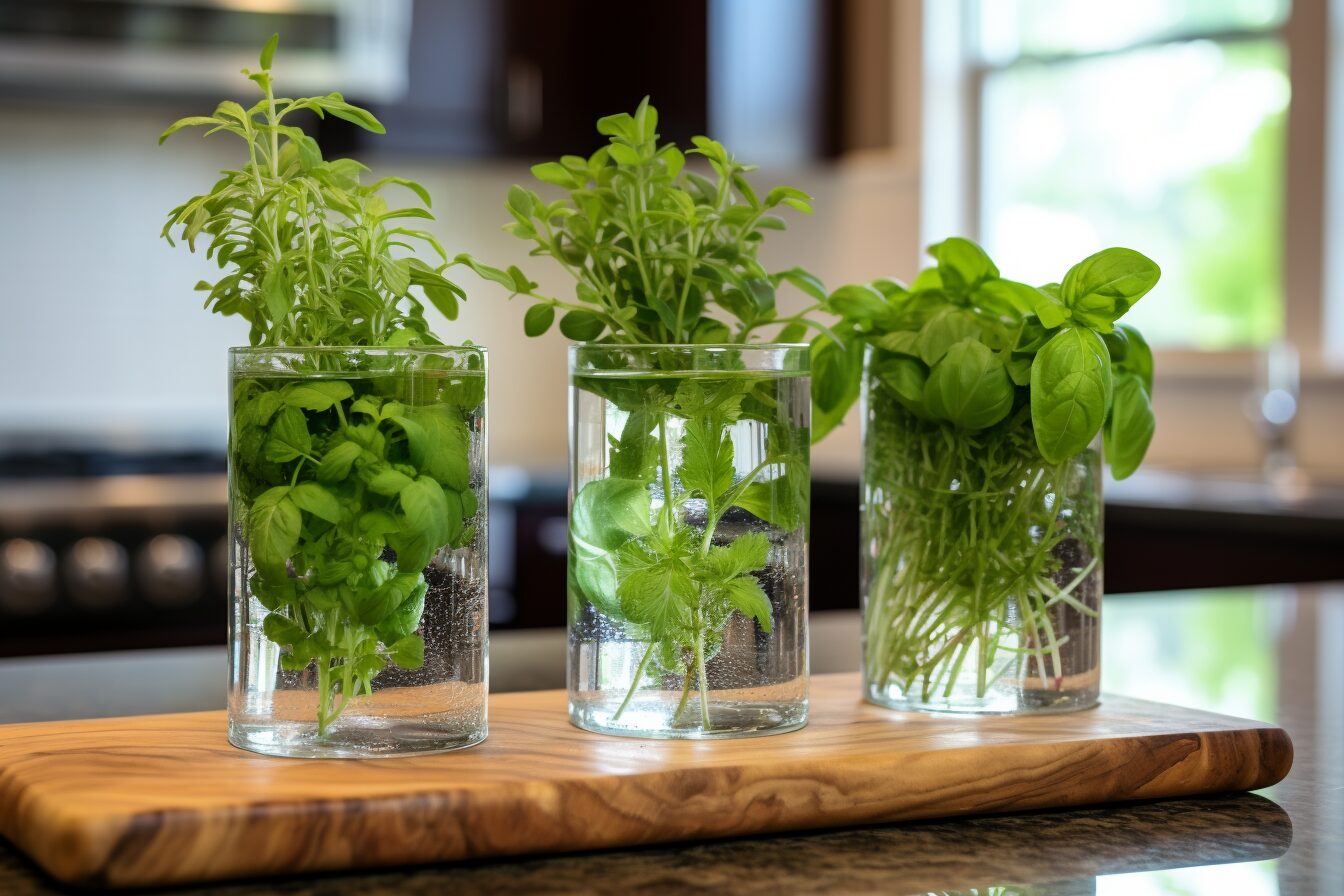
Use a clean glass or jar so you can monitor root growth easily. Fill it with room-temperature water and place it in bright, indirect light. Strong direct sun can overheat the water and stress the cutting, especially indoors.
Change the water every few days. This small habit matters more than many people realize. Fresh water reduces bacterial buildup, keeps oxygen available, and lowers the chance of rot.
Now let’s go herb by herb.
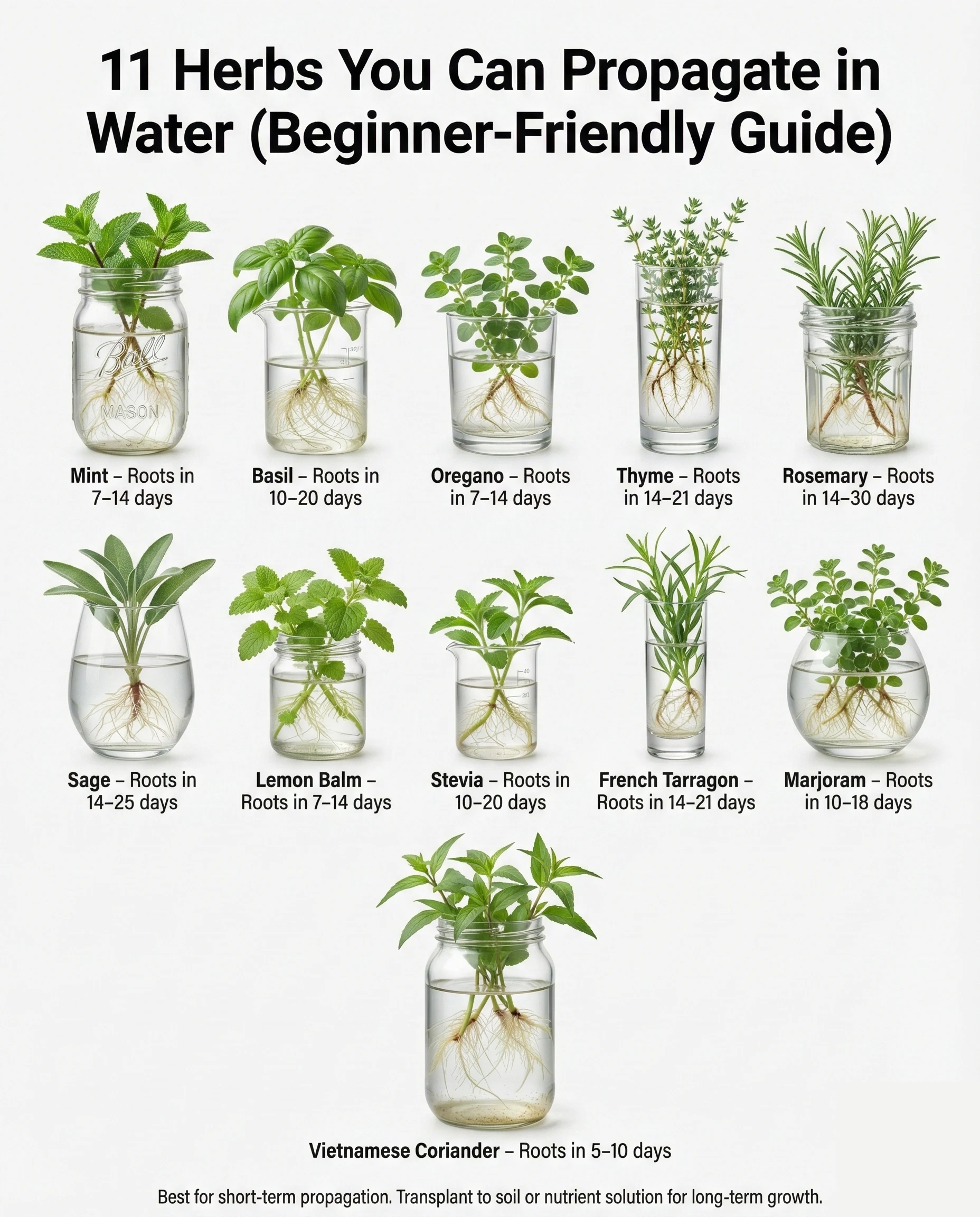
1. Mint: one of the fastest and easiest
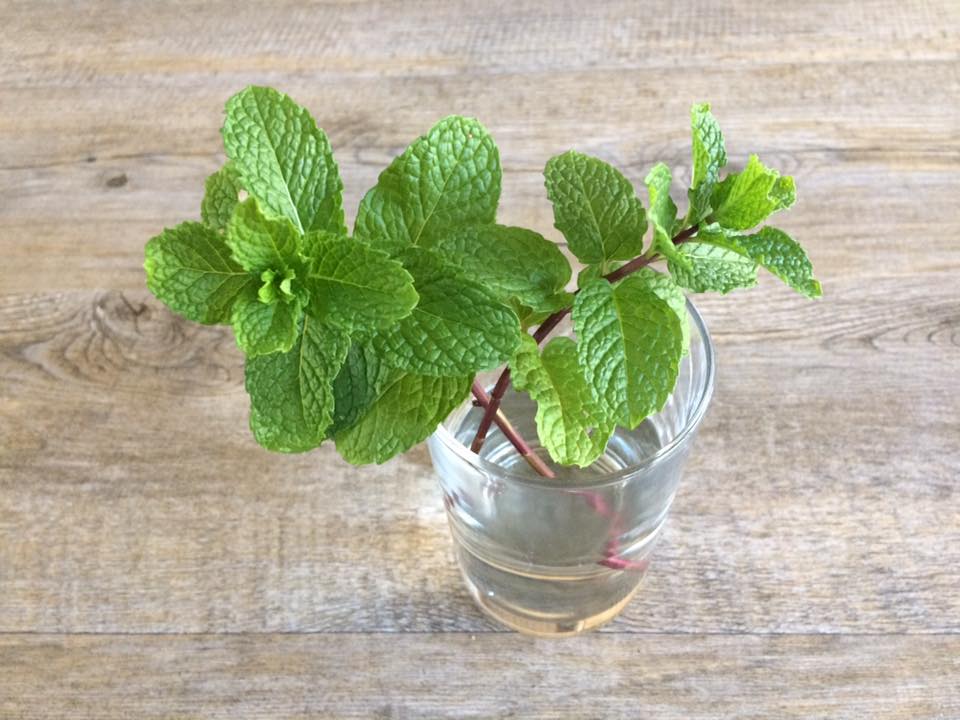
Mint is one of the best herbs for water propagation because it roots quickly and generously. In many cases, roots appear within 7 to 14 days.
Why it’s beginner-friendly
Mint stems are soft, vigorous, and usually quick to respond. This makes it a confidence-building herb for first-time propagators.
Practical tip
Take cuttings from fresh green stems, not old tired growth. Once rooted, move mint into its own pot because it spreads aggressively and quickly outcompetes calmer herbs.
Best USDA use
As a perennial herb, mint can grow outdoors in many U.S. zones, often roughly Zones 3 to 8 or higher depending on variety, but keeping it in a container is usually the smartest long-term choice.
2. Basil: easy, productive, and worth repeating often
Basil is one of the most useful herbs to propagate because it grows fast, flowers quickly in warm weather, and benefits from constant renewal. Rooting usually happens in about 10 to 20 days.
Why it’s so valuable
Basil is a tender annual in most U.S. gardens, so propagation lets you keep fresh plants coming through the season.
Practical tip
Always choose non-flowering shoots if possible. Once basil begins heavy flowering, stem quality often drops. Pinch the mother plant after taking cuttings so it branches more fully.
Best USDA use
Basil is usually grown as a warm-season annual across the U.S., especially in Zones 3 to 10, though it can behave as a perennial only in frost-free tropical conditions.

3. Oregano: small leaves, strong reward
Oregano roots fairly easily in water, usually in 7 to 14 days, especially when cuttings come from fresh, flexible growth.
Plant character
Oregano is a woody-based perennial herb with a spreading habit and strong flavor. It does especially well when regularly cut back.
Practical tip
Do not wait until stems become too woody. Younger top growth roots faster and transitions into soil more smoothly.
Best USDA use
Oregano is commonly grown as a perennial in much of the U.S., often around Zones 5 to 10, depending on variety and winter drainage.

4. Thyme: slower, but absolutely worth it
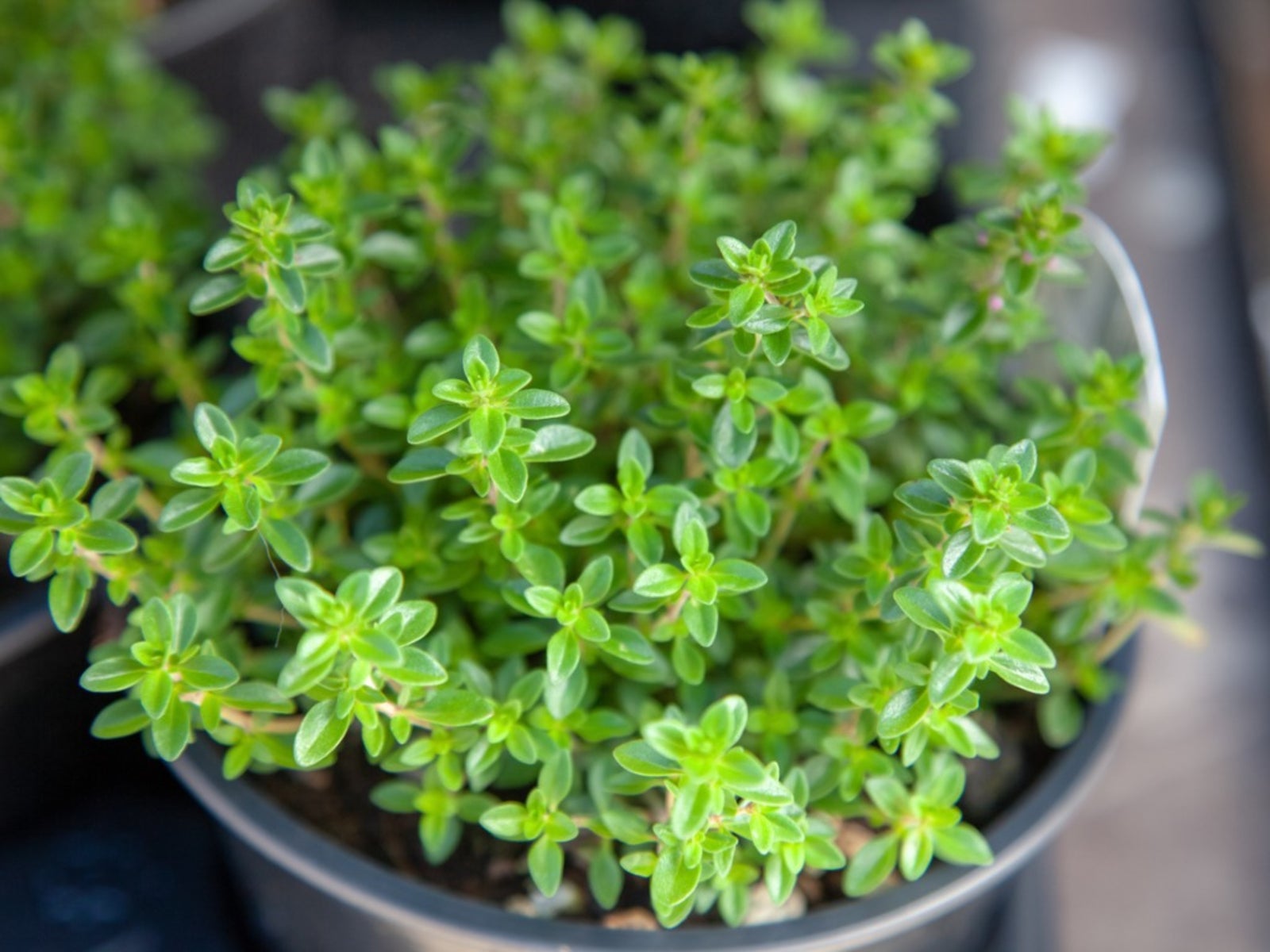
Thyme can root in water in about 14 to 21 days, though it is often a bit slower and less dramatic than mint or basil.
Why it matters
Thyme becomes woody with age, so propagation is a useful way to refresh older plants and keep a tidy supply going.
Practical tip
Take tip cuttings from semi-soft growth, not hard brown stems. Once rooted, thyme prefers well-drained soil and a lighter watering rhythm than moisture-loving herbs.
Best USDA use
Thyme is widely grown as a perennial in many U.S. climates, often around Zones 5 to 9.
5. Rosemary: patience pays off
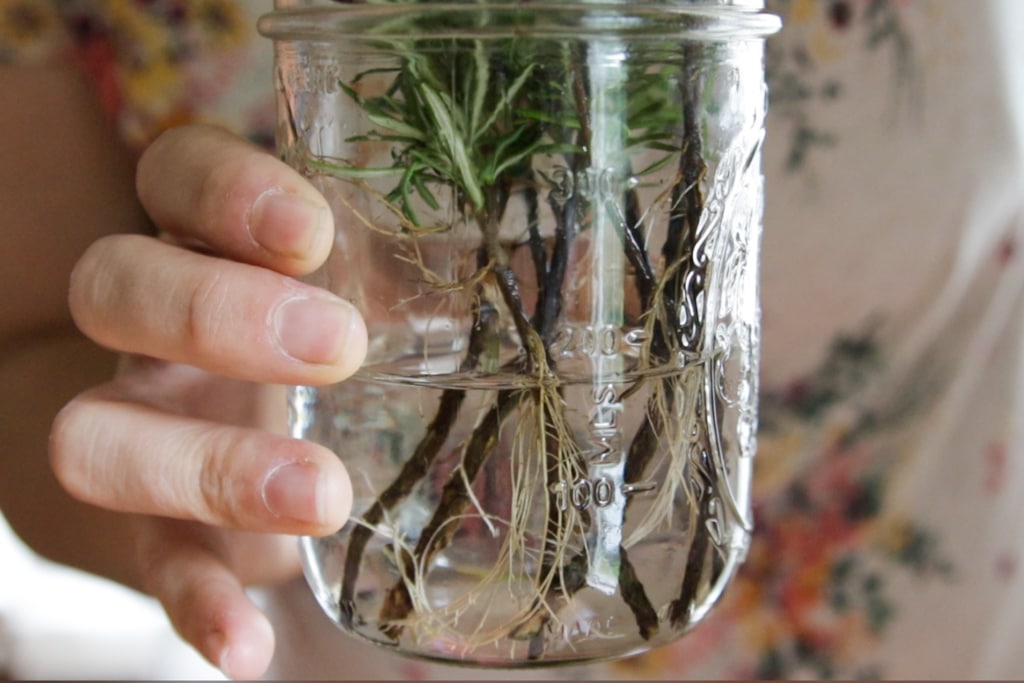
Rosemary is slower than many herbs and may take 14 to 30 days to root, sometimes longer. But once you succeed, it is one of the most rewarding herbs to multiply.
Plant character
Rosemary is aromatic, woody, and sun-loving. It is excellent in containers and edible landscapes.
Practical tip
Use soft new growth, not stiff woody branches. Rosemary cuttings root better when the stem is flexible and fresh. Keep the water clean and do not expect overnight results.
Best USDA use
Rosemary is perennial in warmer climates, often around Zones 8 to 10, and commonly grown in pots in colder regions so it can be protected.
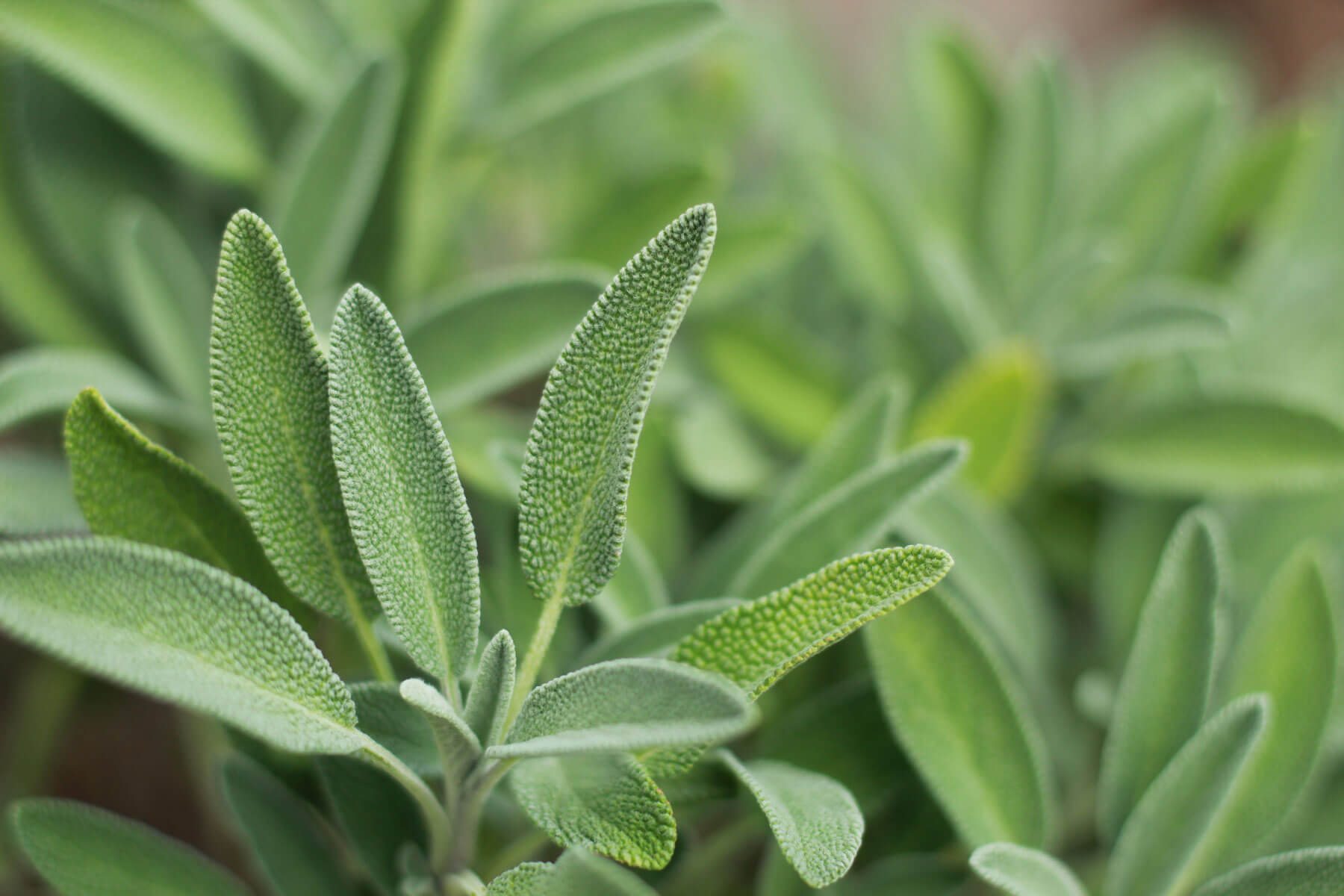
6. Sage: best from young stems
Sage usually roots in about 14 to 25 days. Like rosemary and thyme, it responds better when you avoid overly woody growth.
Why gardeners love it
Sage is both ornamental and useful, with textured leaves and strong culinary value.
Practical tip
Choose stems that are healthy but not too soft. Very lush, weak growth can rot, while old woody growth is slower to root.
Best USDA use
Sage is commonly perennial in Zones 4 to 8, with drainage and winter conditions affecting survival.
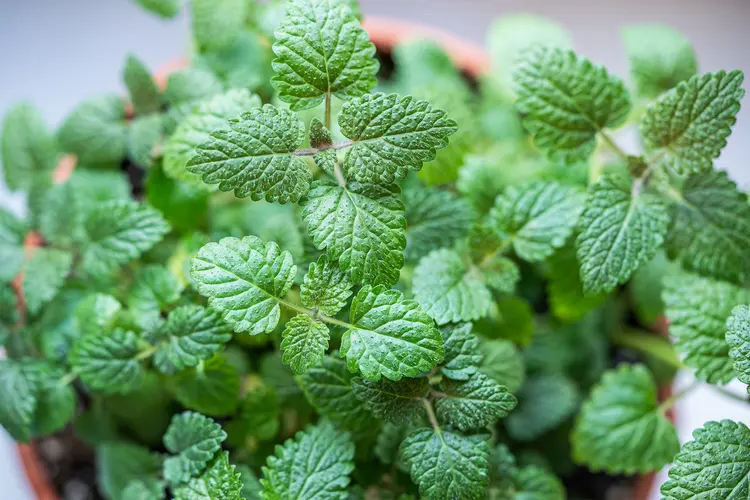
7. Lemon Balm: vigorous and generous
Lemon balm roots readily in water, often in 7 to 14 days, making it another excellent choice for beginners.
Plant character
It grows with a mint-like energy and has a fresh citrusy scent that works beautifully in teas and calming herb gardens.
Practical tip
Once rooted, give lemon balm enough room. It can bulk up fast and may become leggy if crowded or underharvested.
Best USDA use
Lemon balm is often perennial in Zones 4 to 9 and tends to return reliably when well sited.
8. Stevia: a useful herb for sweet leaf harvests
Stevia may root in around 10 to 20 days and is especially useful for gardeners who want a low-space herb with specialty value.
Plant character
Stevia is tender in cold weather and often grown as an annual or protected container plant.
Practical tip
Take cuttings before the plant becomes stressed by heat or age. Younger stems produce more reliable results.
Best USDA use
Stevia is often treated as a warm-season herb in much of the U.S., with perennial growth more likely in warmer zones such as 9 to 11.

9. French Tarragon: ideal for vegetative propagation
French tarragon is especially important to propagate from cuttings because it is often not grown true from seed. Water rooting usually takes 14 to 21 days.
Why this matters
If you love the flavor of true French tarragon, propagation is one of the best ways to preserve the exact plant you like.
Practical tip
Take cuttings from healthy spring or early summer growth. Once rooted, tarragon wants good drainage and sun, not heavy wet soil.
Best USDA use
French tarragon is generally perennial in Zones 4 to 8, though winter protection helps in harsher climates.

10. Marjoram: gentle, useful, and easy to multiply
Marjoram roots in about 10 to 18 days and is an excellent herb for gardeners who enjoy oregano-like flavor in a softer form.
Plant character
It has a tender, branching habit and is especially nice in mixed herb containers.
Practical tip
Harvest regularly after it roots and establishes. Frequent trimming keeps marjoram bushy instead of lanky.
Best USDA use
Marjoram is often perennial in Zones 9 to 10 and grown as an annual elsewhere.

11. Vietnamese Coriander: one of the fastest options
Vietnamese coriander can root in just 5 to 10 days, making it one of the quickest herbs on the list.
Why it stands out
It is especially useful for hot climates where regular cilantro struggles.
Practical tip
Because it roots so fast, do not leave it overcrowded in a jar with many other cuttings. Pot it up once the roots are clearly formed and branching.
Best USDA use
It grows best in warm conditions and is often treated as a tender perennial or container herb in warmer zones.

When to move rooted herbs into soil
Do not rush this step. Tiny root nubs are exciting, but they are not always enough for successful transplanting. Wait until roots are clearly visible, a couple of inches long, and beginning to branch.
When potting up:
- use a light, well-drained potting mix
- pre-moisten the soil lightly
- plant gently without snapping roots
- keep the soil evenly moist for the first week or two
- protect the new plant from harsh direct sun at first
This transition period matters. Water roots are different from soil roots, and the plant needs a little time to adjust.
Common mistakes to avoid
Leaving leaves underwater
This causes rot quickly and clouds the water.
Using flowering stems
Flowering stems often have less energy for rooting and are more likely to decline.
Forgetting to change the water
Fresh water makes a major difference in both speed and cleanliness.
Potting up too soon
A cutting with one tiny root is not ready for long-term success.
Final thoughts: one jar can change how you garden
Herb propagation in water is simple, but it teaches deep gardening lessons. You learn to recognize strong growth, notice root development, and understand which plants renew easily from cuttings. That knowledge improves not just your herb garden, but your whole relationship with plant care.
Mint, basil, oregano, thyme, rosemary, sage, lemon balm, stevia, French tarragon, marjoram, and Vietnamese coriander each offer a slightly different pace and personality. Some root fast. Some ask for patience. All of them can help turn one healthy plant into many.
And that is one of the best feelings in gardening: not just growing a plant, but learning how to grow more life from the life you already have.