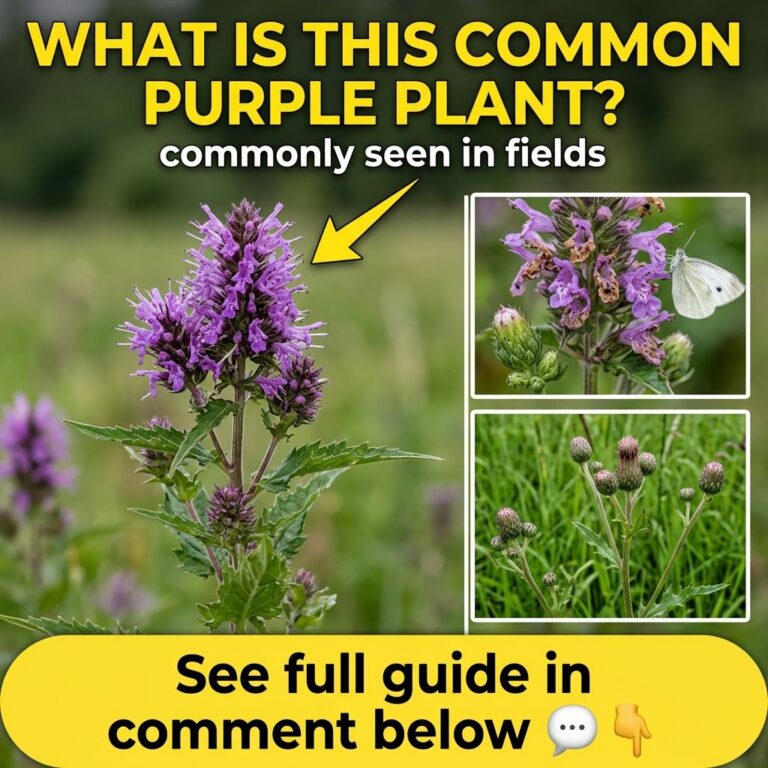
Have you ever strolled through a meadow or along a forest edge and spotted a captivating little purple bloom, seemingly unassuming, yet radiating a quiet strength? Chances are, you’ve encountered a plant known as Self-Heal, or Prunella vulgaris. Often overlooked, this familiar field flower holds a fascinating history and a wealth of traditional wisdom that has been cherished across cultures for centuries.
What is Self-Heal (Prunella vulgaris)?
Known by many names, including All-Heal, Woundwort, and Carpenter’s Herb, Self-Heal is a resilient perennial herb belonging to the mint family (Lamiaceae). It’s easily identifiable by its striking purple, often conical or cylindrical, flower spikes that emerge from a bed of oval, green leaves. These vibrant blooms typically appear from late spring through late summer, gracing grasslands, roadsides, and open woodlands across temperate regions worldwide.
The name ‘Self-Heal’ itself is a testament to the reverence people have held for this plant throughout history. Its robust nature, even when cut or trodden upon, and its widespread traditional uses in various folk traditions, suggest a deep connection to human well-being.
A Tapestry of Traditional Wisdom
For generations, Self-Heal has been a treasured component of folk practices around the globe. Its lore is rich and varied, often linking it to general vitality and support. In ancient European traditions, it was believed to bring inner harmony and protect against various ailments. Indigenous cultures in North America also recognized its value, integrating it into their practices for overall wellness and to soothe minor external discomforts.
The common names like ‘Woundwort’ hint at its historical applications in soothing skin complaints, while ‘Carpenter’s Herb’ suggests its use among those who frequently sustained minor cuts or scrapes in their trade. It’s truly a plant that has been ‘at hand’ for those seeking natural comfort.
The Humble Plant’s Gifts: Exploring Its Natural Properties
While modern research continues to explore the components of Self-Heal, traditional knowledge has long celebrated its natural properties. It is often regarded for its potential to support general well-being. Rich in various plant compounds, it has been traditionally used to create infusions that are believed to be gently uplifting and supportive of the body’s natural balance.
The beauty of plants like Self-Heal lies in their holistic appeal, offering a sense of connection to nature’s bounty and the wisdom of our ancestors.
Bringing Self-Heal Into Your Home: Simple Preparations
If you’re curious to explore Self-Heal, here are a couple of traditional ways people have historically prepared and used it for general wellness. Remember, these are for informational purposes based on traditional use and not medical advice.
1. Self-Heal Herbal Infusion (Tea)
A gentle infusion can be a wonderful way to enjoy the subtle qualities of Self-Heal.
- Ingredients:
- 1-2 teaspoons of dried Self-Heal leaves and flowers (ensure it’s from a reputable source or responsibly harvested and dried)
- 1 cup of hot water (just off the boil)
- How to Make:
- Place the dried Self-Heal in a mug.
- Pour the hot water over the herbs.
- Cover the mug (to retain beneficial volatile compounds) and steep for 5-10 minutes.
- Strain the liquid and enjoy.
- How to Use: Drink as a warming and comforting herbal tea.
2. Simple Self-Heal Poultice (External Use)
For soothing minor skin irritations, a simple poultice has been a traditional go-to.
- Ingredients:
- A handful of fresh Self-Heal leaves and flowers
- A small amount of water (if needed)
- Clean cloth or gauze
- How to Make:
- Wash the fresh plant material thoroughly.
- Crush or finely chop the leaves and flowers to release their natural juices. You can use a mortar and pestle or simply mince them with a knife. Add a tiny bit of water if needed to form a paste.
- How to Use:
- Apply the crushed plant material directly to the desired skin area or spread it onto a clean cloth/gauze.
- Gently apply to the skin. Leave for 15-30 minutes, then rinse.
Important Considerations Before Using
While Self-Heal has a long history of traditional use, it’s always wise to proceed with awareness:
- Identification: If foraging, ensure positive identification of Prunella vulgaris. Mistaking it for other plants could be problematic.
- Quality Sourcing: If purchasing, opt for organic, high-quality dried herbs from reputable suppliers.
- Patch Test: Before applying any poultice, test a small area of skin for sensitivity.
- Allergies: If you have allergies to other plants in the mint family, use caution.
- Medical Advice: This information is for educational purposes only and not intended as a substitute for professional medical advice. Always consult with a qualified healthcare provider before making any changes to your health regimen, especially if you are pregnant, nursing, taking medications, or have underlying health conditions.
Embracing Nature’s Quiet Gifts
The humble Self-Heal stands as a beautiful reminder of the intricate connections between nature and traditional human wisdom. Next time you encounter its vibrant purple blooms, take a moment to appreciate the centuries of stories and applications nestled within this resilient plant. It’s a testament to the enduring curiosity and resourcefulness that guide our exploration of the natural world.
What experiences or knowledge do you have about this fascinating plant? Share your thoughts and stories below!