Most gardeners see purslane as nothing more than a stubborn weed, a relentless invader that pops up in every crack and crevice. But what if this common garden pest holds a secret far more valuable than you could imagine? What if this succulent green, often pulled and discarded without a second thought, is actually a powerhouse of natural compounds, waiting to be rediscovered?
It’s time to look beyond the “weed” label and uncover the remarkable potential of purslane (Portulaca oleracea). This isn’t about vague herbal folklore; it’s about practical ways to utilize a plant that thrives in your own backyard, offering a simple, accessible path to enhanced well-being.
What is Purslane?
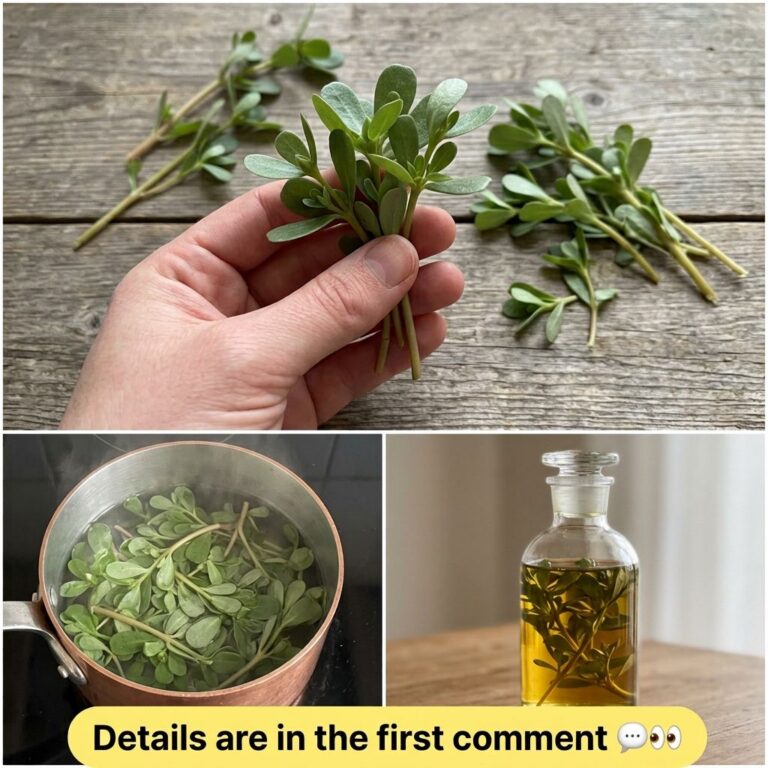
Purslane is a low-growing, succulent plant with thick, reddish stems and paddle-shaped, fleshy leaves. It’s often found growing wild in gardens, fields, and even cracks in pavement. Despite its humble appearance, purslane is considered a superfood in many cultures, packed with vitamins, minerals, and notably, Omega-3 fatty acids – a rarity for leafy greens.
Beyond the Salad Bowl: Practical Preparations
While often enjoyed raw in salads, purslane’s benefits can be extracted and concentrated through simple preparations like infusions (teas) and infused oils. These methods allow you to harness its properties for specific uses, whether internal support or topical applications.
1. Purslane Infusion (Tea)
A purslane infusion is a gentle yet effective way to access its internal benefits. It’s simple to make and can be enjoyed hot or cold.
Ingredients:
- 1 cup fresh purslane (leaves and tender stems), roughly chopped
- 2 cups filtered water
Approximate Measurements:
These measurements are flexible. For a stronger infusion, use more purslane; for a milder taste, use less. A good starting point is a 1:2 ratio of plant material to water.
Formula / Recipe:
- Wash the purslane thoroughly to remove any dirt or insects.
- Roughly chop the fresh purslane leaves and tender stems.
- Bring the filtered water to a boil in a non-reactive pot.
- Remove from heat, add the chopped purslane, and cover.
- Let steep for 10-15 minutes.
- Strain the liquid into a cup.
How to Use:
Drink the infusion as a warming beverage. It has a slightly tangy, refreshing taste. It can be sweetened with a touch of honey or lemon if desired.
How Often to Use:
Enjoy 1-2 cups per day, especially when you’re looking for a gentle internal cleanse or a boost of nutrients.
2. Purslane Infused Oil
An infused oil allows for topical application, perfect for nourishing skin or soothing minor irritations. This method extracts oil-soluble compounds from the plant.
Ingredients:
- 1/2 cup dried purslane (or 1 cup fresh, wilted)
- 1 cup carrier oil (e.g., olive oil, almond oil, jojoba oil)
Quick Tip: Fresh vs. Dried for Infused Oil
For oil infusions, it’s crucial to use dried or thoroughly wilted purslane. Any water content in fresh purslane can lead to mold and spoilage in the oil.
Approximate Measurements:
A 1:2 ratio of dried plant material to oil is a good starting point. If using fresh, wilted purslane, you may need a 1:1 ratio due to its higher volume.
Formula / Recipe (Slow Infusion Method):
- Ensure purslane is completely dry. If using fresh, spread it on a clean cloth or screen in a well-ventilated area for 1-2 days until visibly wilted and most moisture is gone.
- Place the dried/wilted purslane in a clean, dry glass jar.
- Pour the carrier oil over the purslane, ensuring all plant material is fully submerged.
- Seal the jar tightly and place it in a cool, dark place for 2-4 weeks. Shake gently every few days.
- After infusion, strain the oil through a fine-mesh sieve or cheesecloth, squeezing out all liquid from the plant material.
- Store the infused oil in a clean, dark glass bottle.

How to Use:
Apply a small amount of the infused oil directly to the skin. It can be used as a moisturizing facial oil, a soothing body oil, or massaged into areas needing extra care. Test on a small patch of skin first.
How Often to Use:
Can be used daily or as needed for skin hydration or localized soothing.
How to Buy / How to Choose Ingredients:
The best way to get purslane is to forage it yourself! Look for it in organic gardens (where it hasn’t been sprayed with pesticides), or find it at farmer’s markets specializing in wild edibles. Choose vibrant, healthy-looking plants with no wilting or yellowing.
If purchasing carrier oils for infusions, opt for high-quality, cold-pressed, organic varieties.
Storage:
- Fresh Purslane: Store in a plastic bag in the refrigerator crisper drawer for up to a week.
- Purslane Infusion (Tea): Keep in an airtight container in the refrigerator for up to 2-3 days.
- Purslane Infused Oil: Store in a cool, dark place. Properly made oil can last for 6 months to a year, depending on the carrier oil’s shelf life.
Practical Tips:
- Harvesting: Harvest purslane in the morning after the dew has dried for the best flavor and nutrient content.
- Identification: Always be 100% sure of your plant identification before consuming or using any wild plant. Purslane has distinctive reddish stems and small, fleshy leaves.
- Flavor Pairing: Purslane has a slightly tart, lemony flavor. It pairs well with other fresh greens, tomatoes, and cucumber.
Common Mistakes:
- Misidentification: Mistaking purslane for a similar-looking but potentially toxic plant. Always consult a reliable foraging guide.
- Harvesting from Contaminated Areas: Avoid foraging purslane from roadsides, industrial areas, or lawns treated with pesticides.
- Using Wet Purslane for Oil: Any moisture in the plant material will introduce bacteria and mold into your oil infusion, causing it to spoil.
- Over-Boiling for Tea: Boiling purslane too vigorously or for too long can degrade some of its delicate nutrients. Gentle steeping is best.
Cautions / Who Should Avoid It:
While generally safe for most, purslane is high in oxalates, which can contribute to kidney stones in sensitive individuals. Those with a history of kidney stones should consume it in moderation or consult a healthcare professional. Pregnant or breastfeeding women, and individuals on specific medications, should also consult a doctor before incorporating new herbal remedies into their routine.
Quick Summary:
- Best Preparations: Fresh in salads, gentle tea infusion, or infused oil.
- Best Use-Cases: Internal nutrient boost (tea), topical skin soothing (oil).
- Storage: Fresh in fridge, tea in fridge (2-3 days), oil in cool dark place (6-12 months).
- When to Use: Daily for general wellness; as needed for skin care.
- What to Avoid: Contaminated plants, wet material for oil infusions, misidentification.
Purslane Tea vs. Purslane Oil: Best Uses
| Feature | Purslane Tea (Infusion) | Purslane Infused Oil |
|---|---|---|
| Preparation | Steeping fresh purslane in hot water | Soaking dried/wilted purslane in carrier oil |
| Primary Use | Internal consumption (nutrients, gentle cleanse) | Topical application (skin nourishment, soothing) |
| Key Benefits | Hydration, antioxidant intake, minerals | Moisturizing, soothing minor skin irritations |
| Storage Life | 2-3 days (refrigerated) | 6-12 months (cool, dark place) |
| Best For | Daily wellness drink, internal support | Dry skin, minor scrapes, facial care |
FAQ:
- Can I use dried purslane for tea?
Yes, you can use dried purslane, but the flavor and nutrient profile might be slightly different. Use about half the amount of dried material compared to fresh. - How long does fresh purslane last?
Fresh purslane can last about 5-7 days in the refrigerator if stored properly in a sealed bag. - What part of the purslane plant is best to use?
Both the leaves and tender stems are edible and beneficial. The thicker, older stems can be tough, so focus on the younger, more succulent parts. - Can I freeze purslane?
Yes, you can blanch purslane briefly and then freeze it for longer storage. It can also be chopped and frozen in ice cube trays with water. - Is all purslane edible?
Yes, Portulaca oleracea is edible. However, always be certain of your identification and ensure it’s harvested from a clean, unsprayed area. - Does purslane have a strong flavor?
Purslane has a mild, slightly tangy, and succulent flavor, often described as similar to watercress or spinach with a hint of lemon.
You may also like: DIY Herbal Infusions for Wellness
Conclusion:
Next time you spot purslane growing in your garden or a local park, don’t dismiss it as just another weed. This resilient plant offers an accessible source of nutrition and natural remedies, ready to be transformed into beneficial teas and oils. By understanding its simple preparations and mindful usage, you can unlock a hidden gem of the plant world and integrate its practical value into your daily wellness routine.
Read more: Foraging Safe Edible Plants: A Beginner’s Guide