Heart health is not built overnight. It is shaped by small food choices you repeat every day.
Many people think heart care only starts after a diagnosis. But in reality, nutrition quietly influences cholesterol levels, blood pressure, inflammation, and blood vessel function long before symptoms appear.
What often gets misunderstood is this. Heart-healthy eating is not about cutting everything out. It is about adding the right foods consistently.
Most people never realize this works because heart support rarely feels dramatic at first. It shows up as small wins: less heaviness after meals, steadier energy, and better recovery after walking up stairs.
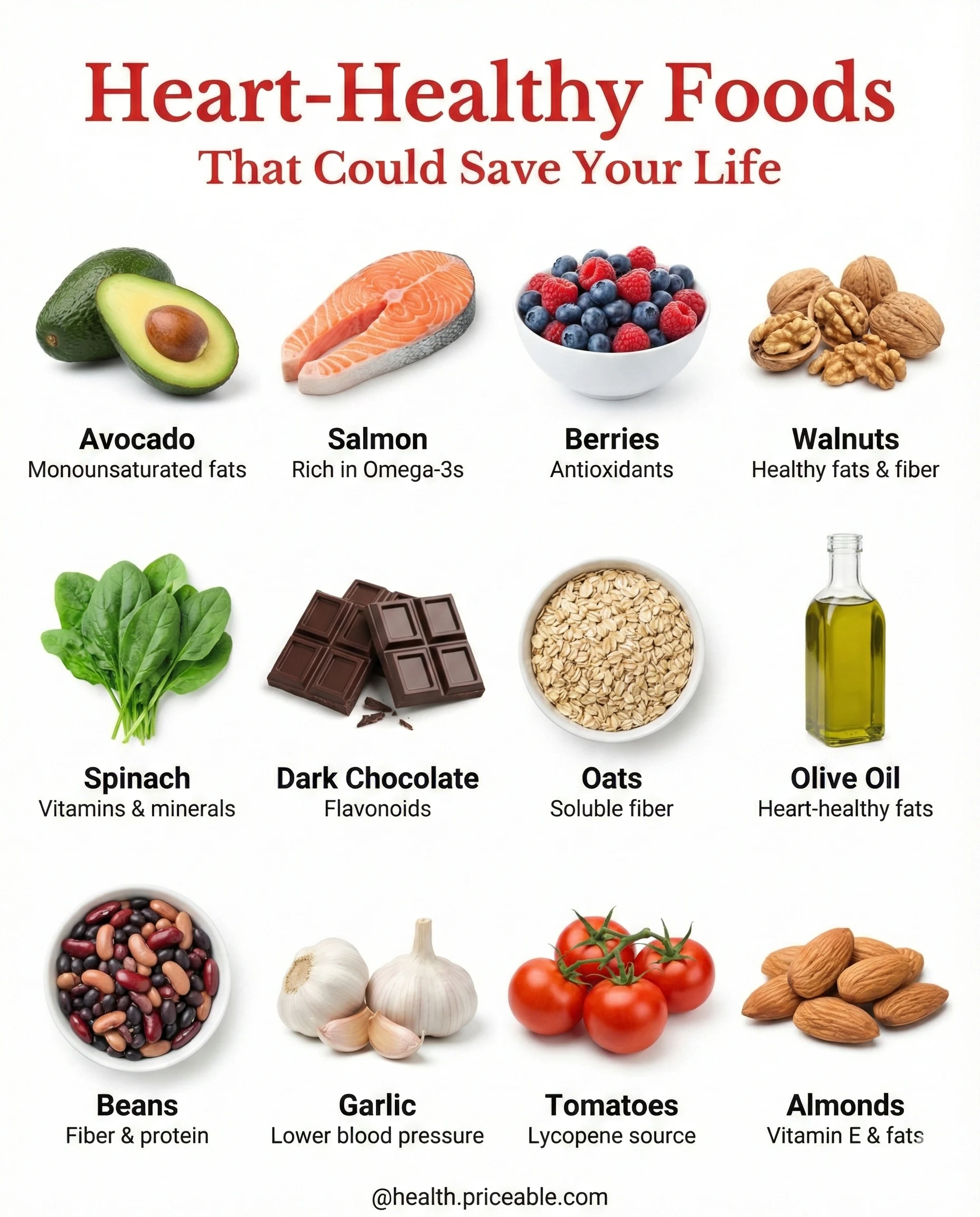
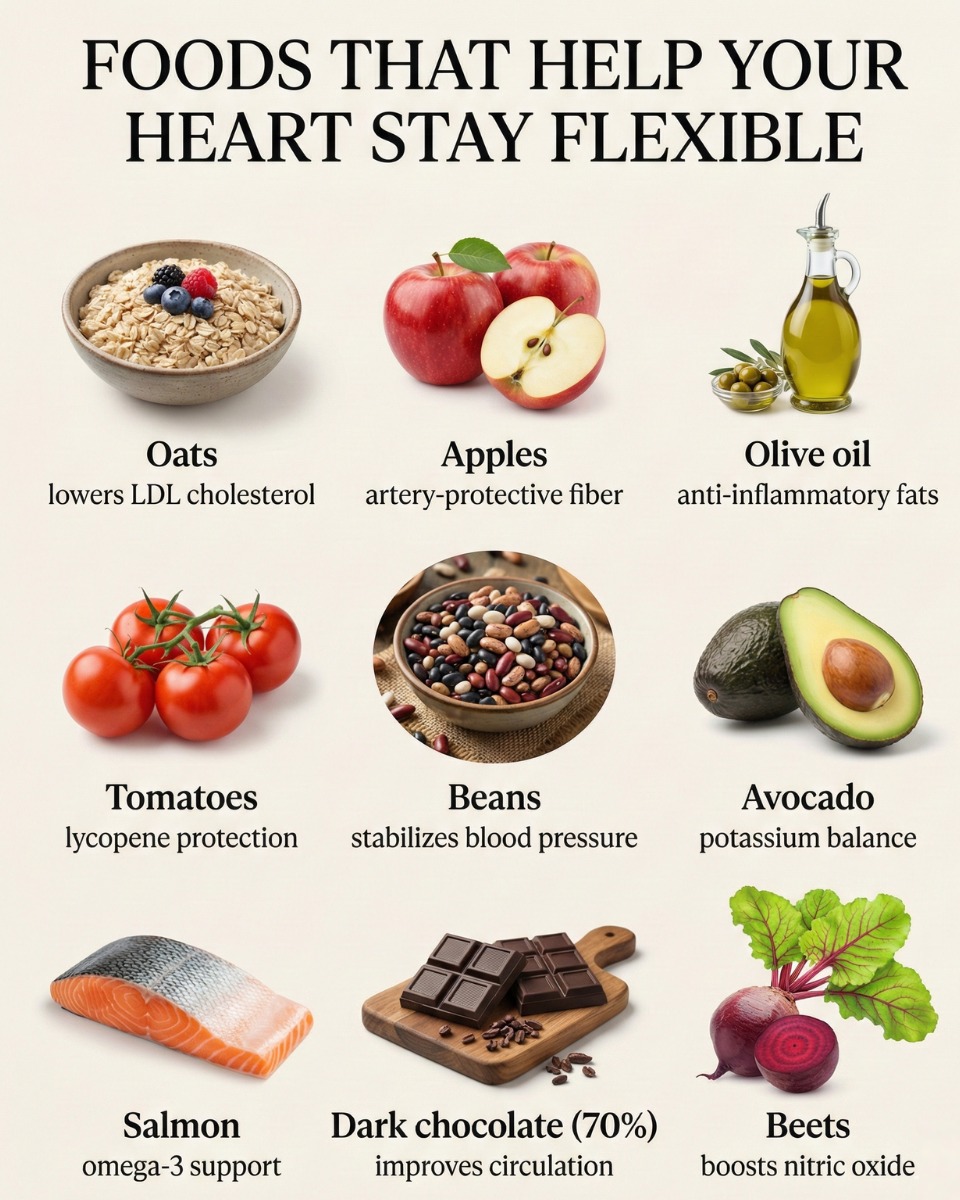
1) Oats (lowers LDL cholesterol)
Oats are rich in soluble fiber, which can help lower LDL cholesterol when eaten consistently. That matters because healthier cholesterol patterns support smoother blood flow.
How to eat oats easily:
- Cook oatmeal and top with fruit.
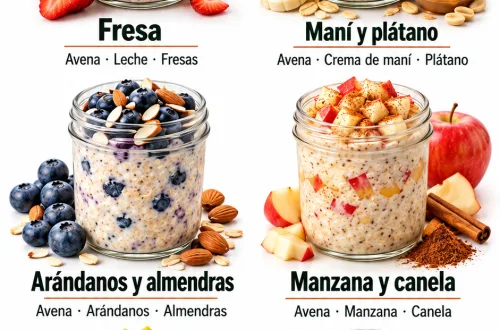
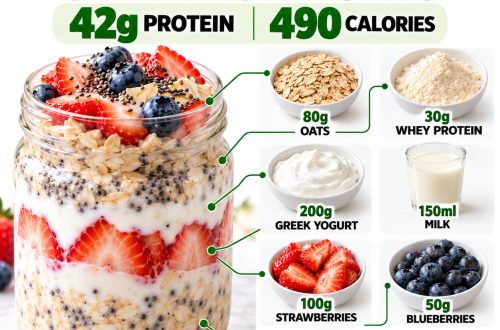
- Make overnight oats for a no-cook option.

2) Apples (artery-protective fiber)
Apples provide artery-protective fiber, especially when you keep the skin on. They support digestion and can help stabilize appetite, which indirectly supports heart-friendly eating habits.
Simple ideas:
- Eat a whole apple as a snack.
- Slice apples into oatmeal.
3) Olive oil (anti-inflammatory fats)
Olive oil provides anti-inflammatory fats that support blood vessel comfort and overall cardiovascular health, especially when used instead of heavily processed oils.
How to use it:
- Drizzle over salads and vegetables.
- Use for light sautéing.
4) Tomatoes (lycopene protection)
Tomatoes are known for lycopene protection. Lycopene is a plant compound linked with heart and vessel support, especially when tomatoes are cooked.
Easy ways to add tomatoes:
- Add tomatoes to soups and stews.
- Use tomato-based sauces over vegetables and beans.
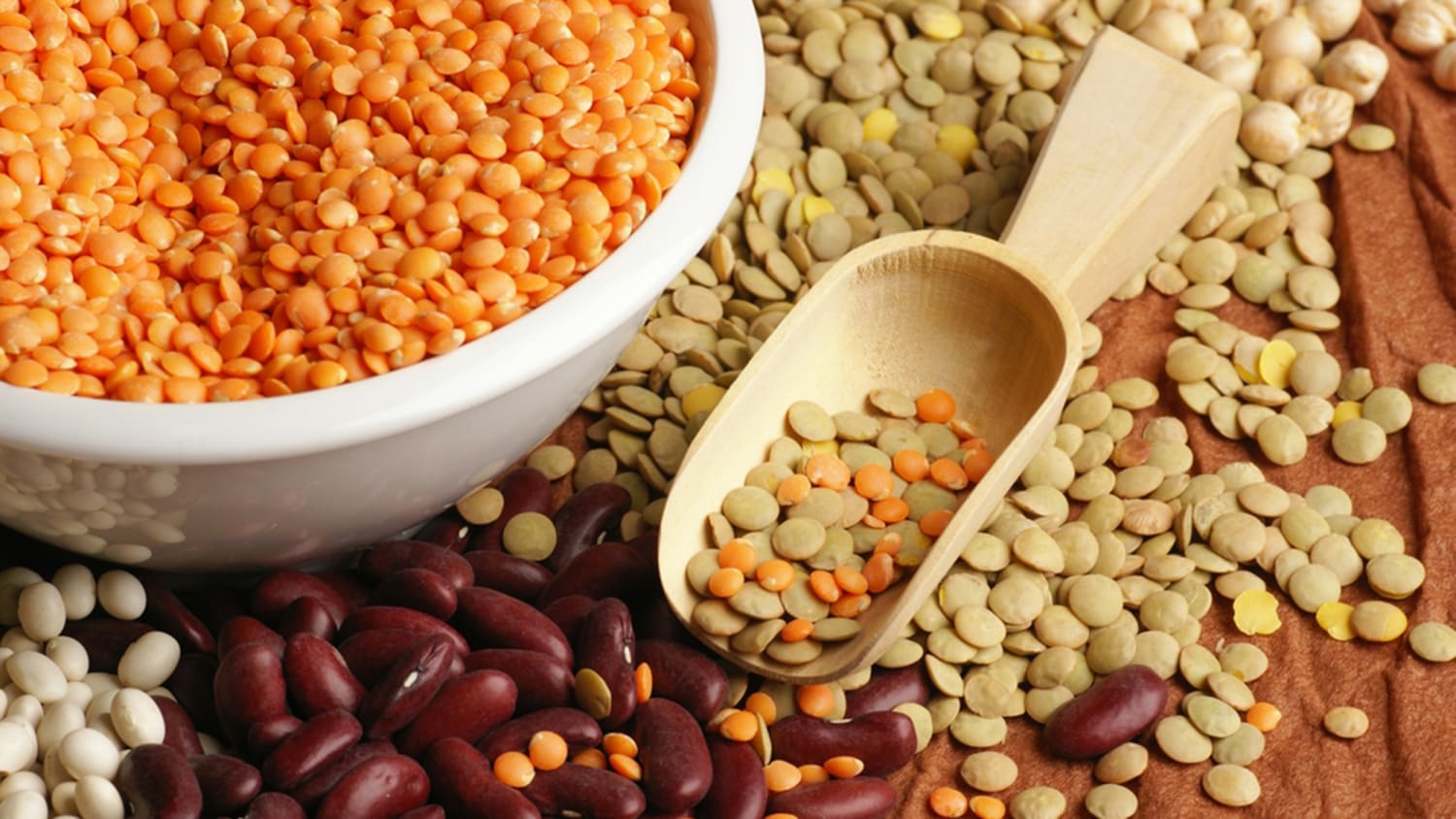
5) Beans (stabilizes blood pressure)
Beans stabilize blood pressure because they bring fiber, potassium, and plant protein together. They also keep you full, which helps reduce reliance on salty packaged snacks.
How to include them:
- Add beans to salads or rice bowls.
- Blend beans into soup for thickness.
6) Avocado (potassium balance)
Avocado supports potassium balance and provides healthy fats that help meals feel satisfying without needing heavy sauces or fried foods.
Try it like this:
- Slice avocado onto toast with tomatoes.
- Add avocado to bean bowls.
7) Salmon (omega-3 support)
Salmon provides omega-3 support, which matters for inflammation balance and healthy circulation.
How to eat it:
- Aim for salmon a couple times per week when possible.
- Pair salmon with tomatoes and olive oil for a heart-friendly plate.
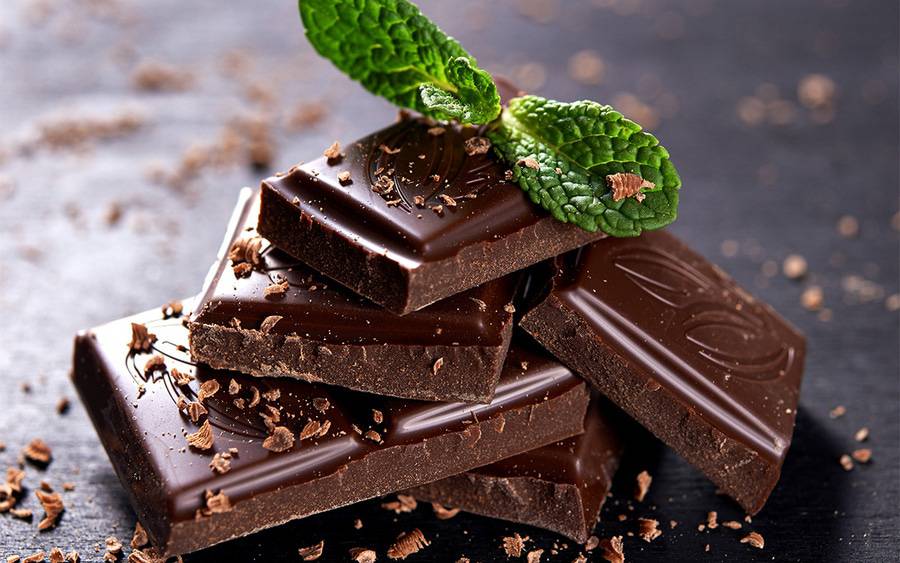
8) Dark chocolate (70%) (improves circulation)
Dark chocolate (70%) improves circulation thanks to cocoa compounds that support blood vessel function. The key is portion and choosing higher cocoa, lower sugar.
How to use it wisely:
- Enjoy a small square after meals.
- Pair with fruit instead of sugary desserts.
9) Beets (boosts nitric oxide)
Beets boost nitric oxide, which supports blood vessel relaxation and smoother flow. This can be especially helpful if you want better workout stamina or circulation support.
Easy ways to eat beets:
- Roast beets and add to salads.
- Blend cooked beets into smoothies.
10) Berries (antioxidants)
Berries are packed with antioxidants like anthocyanins.
These compounds protect blood vessels from oxidative stress and help reduce inflammation.
They are also naturally low in sugar compared to many fruits.
How to add them
-
Top oatmeal or yogurt
-
Blend into smoothies
-
Eat fresh as a snack
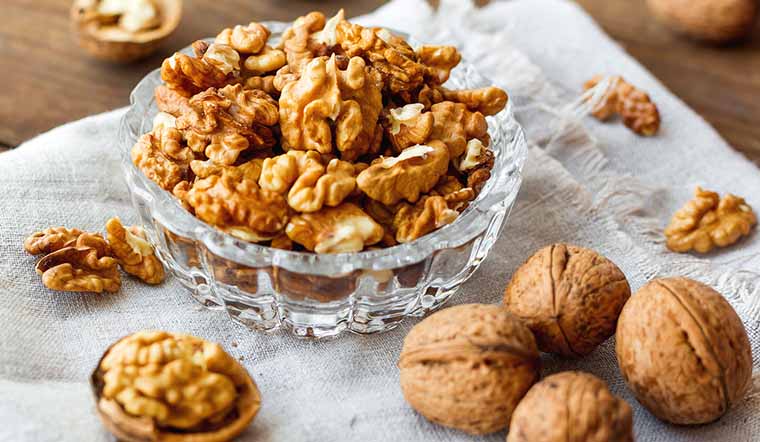
11) Walnuts (healthy fat and fiber)
Walnuts provide healthy fats, fiber, and plant-based omega-3s.
They help improve cholesterol balance and support arterial health.
Even small daily portions show heart benefits.
How to add them
-
Sprinkle on salads
-
Add to oatmeal
-
Eat a small handful as a snack
12) Spinach (blood flow)
Spinach delivers vitamins, minerals, and nitrates that support blood flow.
Its potassium and magnesium content helps regulate blood pressure.
The antioxidants also protect the heart from inflammation.
How to add it
-
Use as a salad base
-
Sauté lightly with olive oil
-
Blend into smoothies
13) Garlic
Garlic supports heart health through natural sulfur compounds.
These compounds may help lower blood pressure and improve circulation when consumed regularly.
How to add it
-
Use fresh garlic in cooking
-
Crush and let rest before cooking
-
Add to sauces and dressings
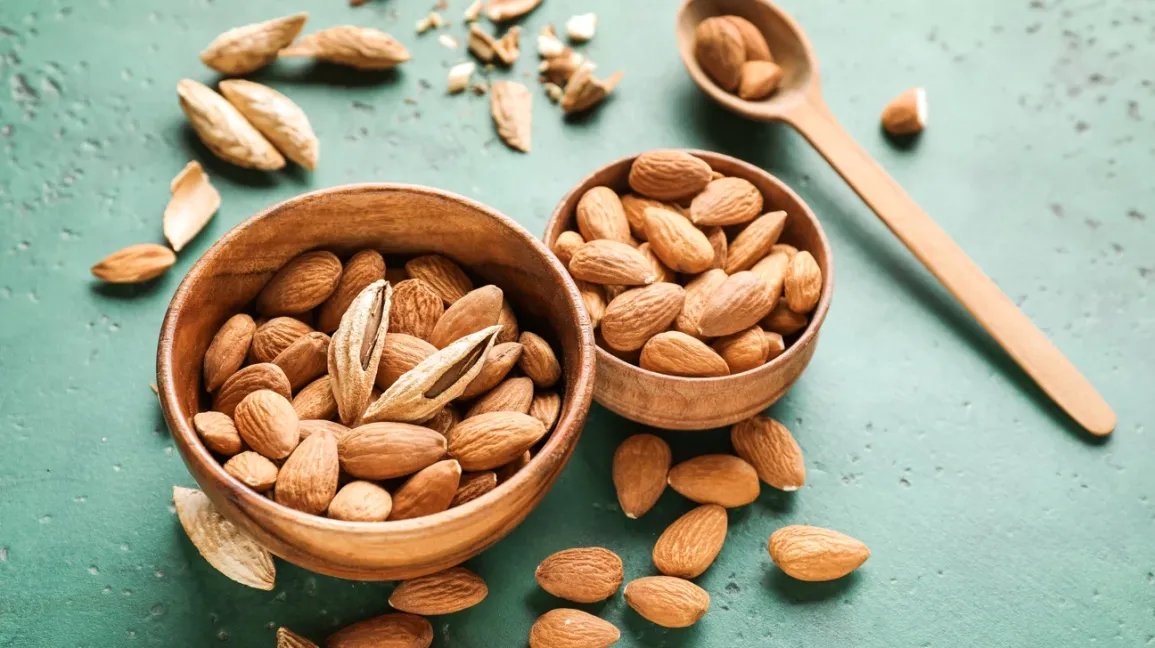
14) Almonds
Almonds provide vitamin E, fiber, and healthy fats.
They help reduce LDL cholesterol and protect blood vessels from oxidative stress.
How to add them
-
Snack on a small handful
-
Add to oatmeal or salads
-
Use almond butter sparingly
How to Build a Daily Plate Using These Foods
A heart-supportive plate does not need to be complicated.
-
Base meals around vegetables and whole grains
-
Add healthy fats like olive oil, avocado, or nuts
-
Include fiber-rich foods daily
-
Aim for fish or plant proteins regularly
When You’ll Notice Changes
Small changes happen quietly.
-
Digestion and energy may improve within 1 to 2 weeks
-
Cholesterol markers often improve within 6 to 8 weeks
-
Long-term heart protection builds over months of consistency
Tips to Combine Them Effectively
-
Pair tomatoes with olive oil
-
Combine oats with berries and nuts
-
Balance fats with fiber-rich foods
-
Keep portions steady, not extreme
Final Takeaway
Heart health is built through everyday food choices, not sudden fixes.
These 12 heart-healthy foods work best when eaten regularly and combined thoughtfully.
Your heart responds to consistency more than perfection.