If you garden in Zone 4, you know the feeling.
Spring comes late. Summer feels short. And just when your garden starts looking glorious – frost creeps back in.
Many gardeners give up too early.
But here’s the truth I’ve learned after years of working in cold-climate gardens:
👉 Zone 4 doesn’t limit your garden. It forces you to garden smarter.
And when you choose the right perennials, your 100-day growing window can feel abundant, layered, and incredibly satisfying.
Let me show you how to build a thriving perennial garden in Zone 4’s short growing season.
❄️ Understanding the Challenge: What Makes Zone 4 Different?
Zone 4 winters can drop to –30°F (-34°C). The growing season typically lasts about 90–120 frost-free days.
That means your plants must:
- Survive deep freezes
- Wake up quickly in spring
- Bloom reliably without a long heat cycle
- Handle unpredictable temperature swings
This is why perennials — not annuals — become your greatest allies.
They’ve adapted. They store energy underground. They know how to wait.
And when warmth finally arrives, they explode with life.
🌿 The Strategy Behind a 100-Day Garden
A successful short-season garden isn’t about planting random hardy flowers.
It’s about timing.
You need three bloom waves:
- Early Spring Survivors
- Mid-Summer Performers
- Late-Season Finishers
When layered correctly, your garden never looks empty – even in a short season.
Let’s break that down.
Wave 1: Early Spring Warriors (April–May)
These are the plants that break through cool soil and surprise you with early beauty.
🌷 Bleeding Heart (Dicentra)
Soft, heart-shaped blooms that thrive in partial shade. They wake up early and bloom when little else dares to.

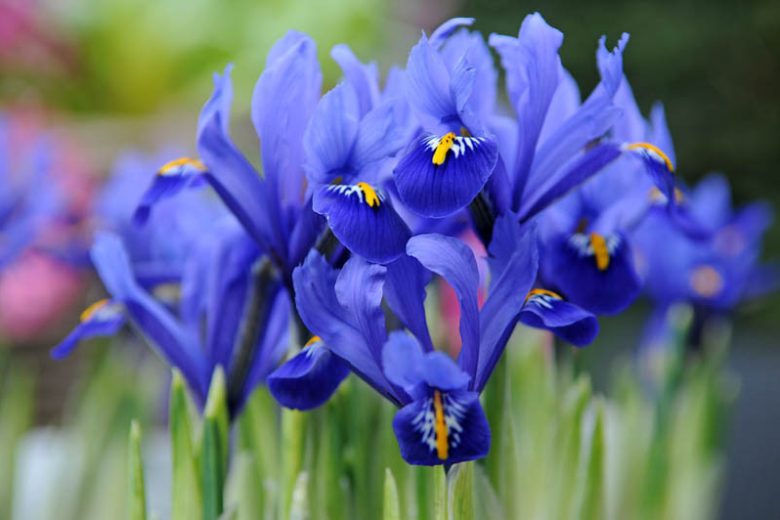
🌱 Iris
Tough, architectural, and dependable. They tolerate cold soil and reward you with dramatic spring color.
🌿 Creeping Phlox
A ground-hugging carpet of color. Perfect for slopes and borders where soil warms quickly.

Why they work:
- They’ve stored winter energy in roots or rhizomes.
- They tolerate chilly nights.
- They bloom before summer heat arrives.
These plants set the tone. They give you hope after winter.
Wave 2: Summer Backbone (June–August)
This is where your garden gains confidence.
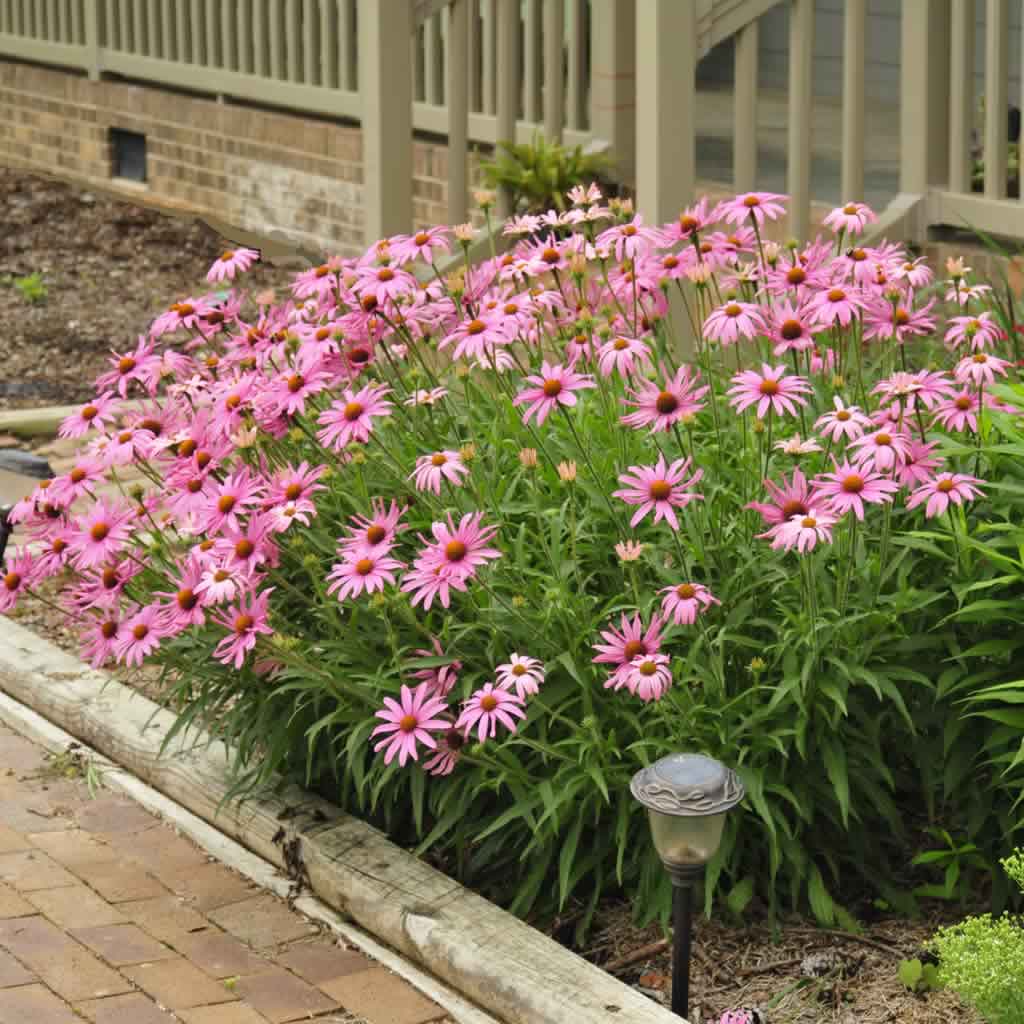
🌼 Purple Coneflower (Echinacea)
Hardy, drought-tolerant, pollinator-friendly. Once established, it barely needs attention.
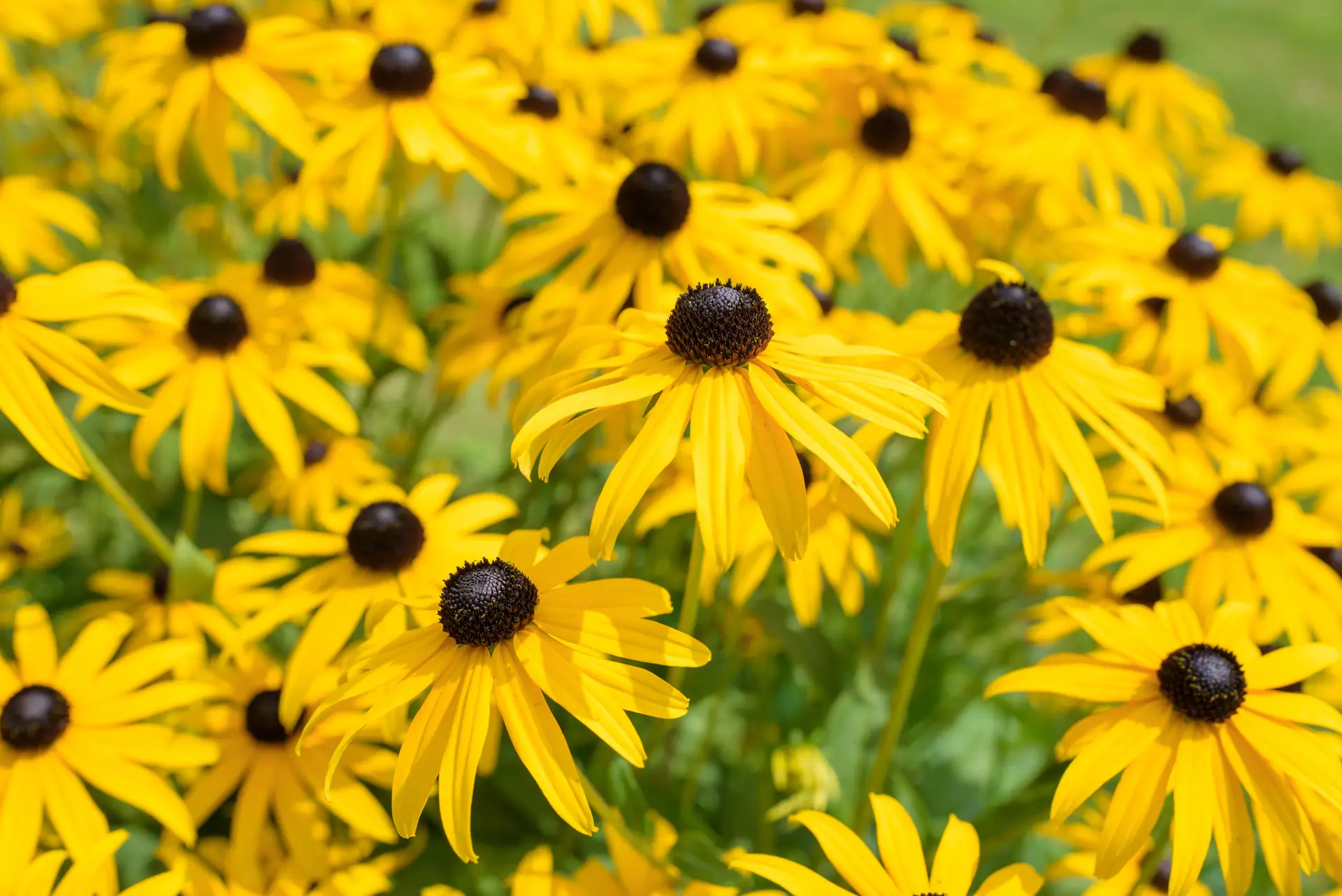
🌻 Black-Eyed Susan (Rudbeckia)
Bright, cheerful, and unstoppable. They fill empty spaces with warm color.
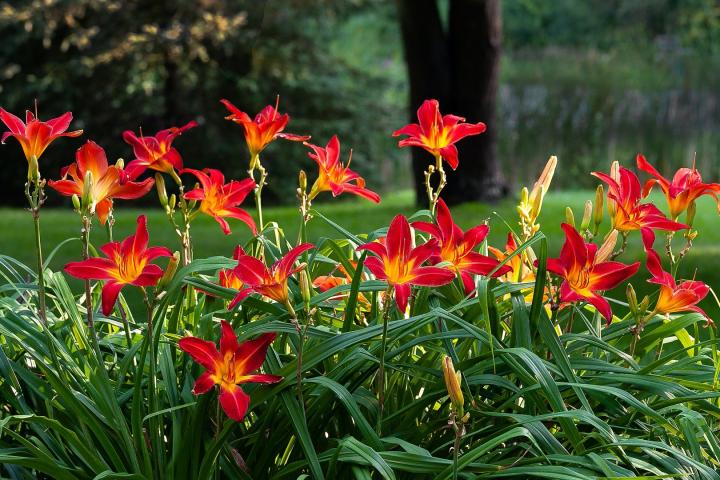
🌿 Daylilies
Incredibly adaptable. Thrive in poor soil, bounce back every year, and bloom for weeks.
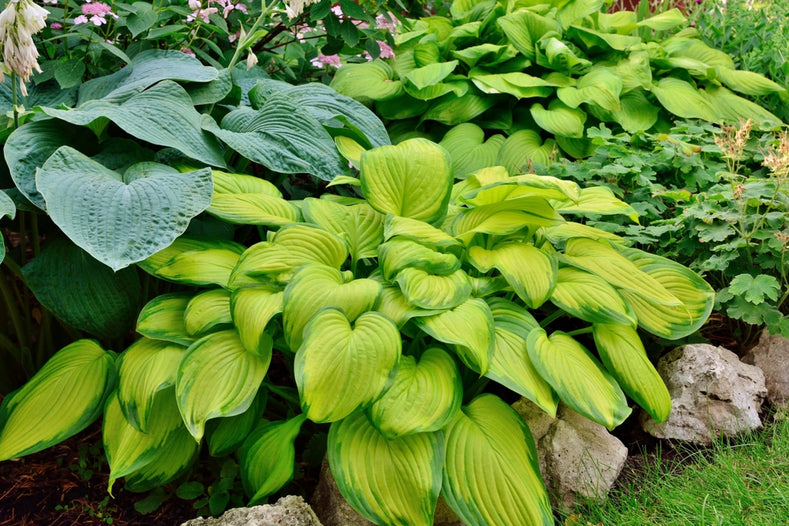
🌱 Hostas (For Shade Gardens)
Massive foliage impact. Even without flowers, they give texture and fullness.
Why they work:
- Deep root systems
- Strong cold tolerance
- Reliable repeat blooming
This is the heart of your 100-day garden.
Wave 3: Late-Season Finishers (August–September)
Zone 4 gardeners often forget this step.
Without late bloomers, your garden peaks too early.
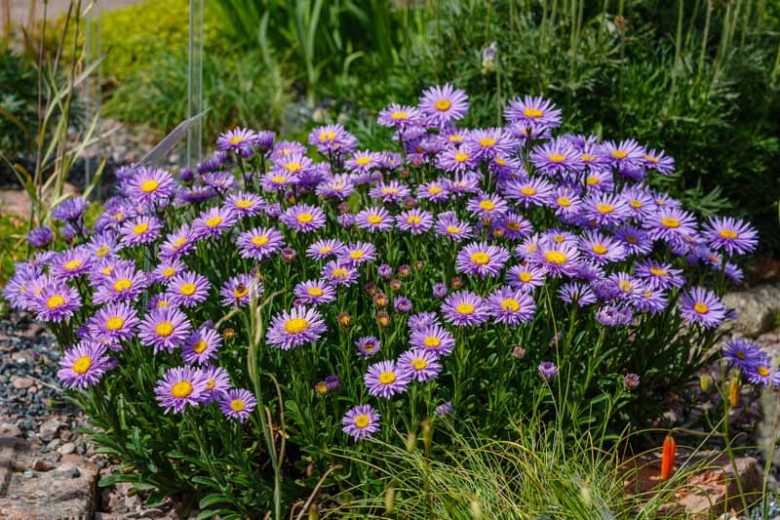
🌸 Asters
Brilliant fall color when everything else fades.
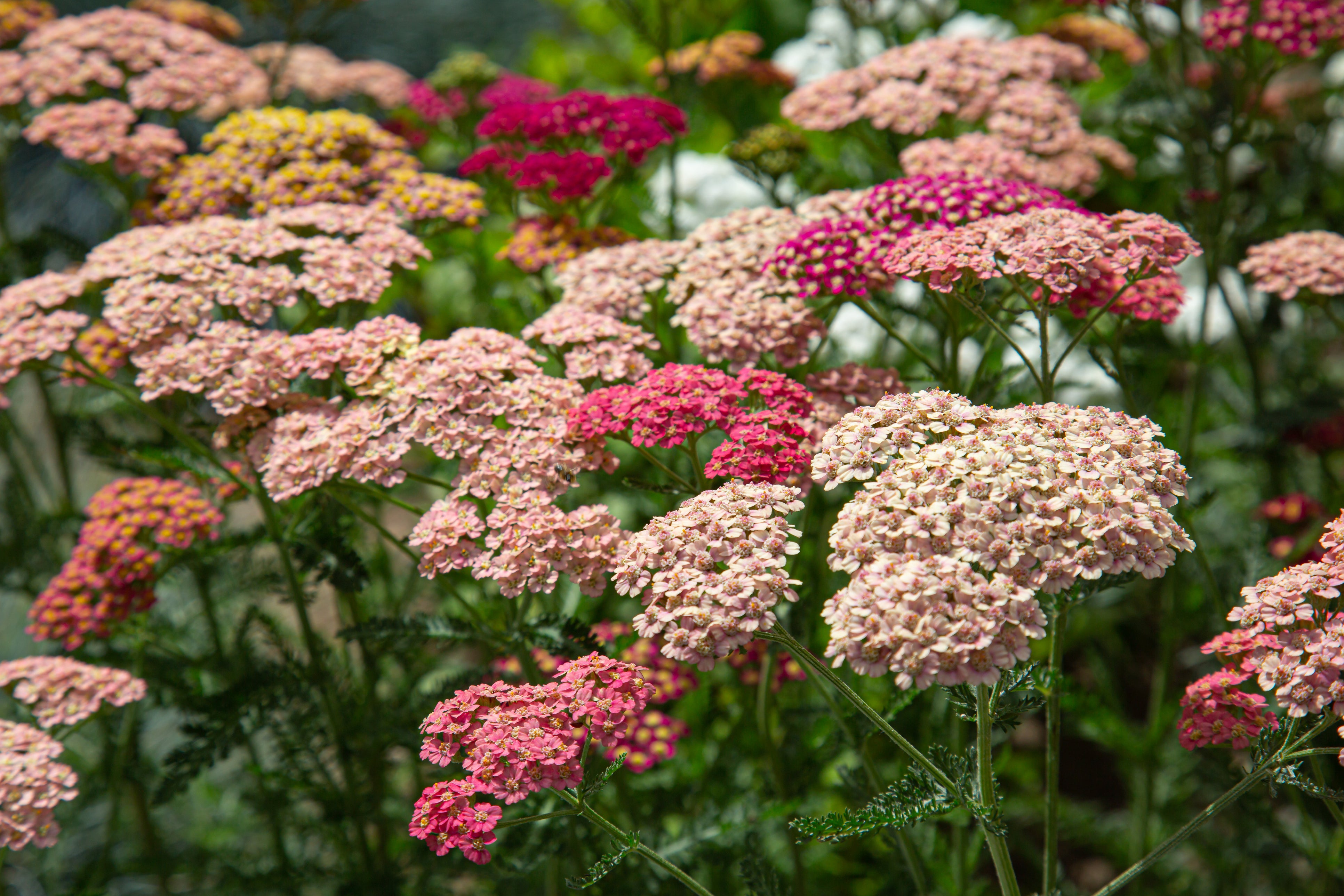
🌿 Yarrow
Drought-resistant and long-lasting. Adds texture and structure.
These plants stretch your season visually – even when temperatures begin to dip.
🌱 How to Design for Maximum Impact in a Short Season
Here’s what most gardeners miss:
It’s not just what you plant — it’s how you plant.
1️⃣ Plant in Clusters, Not Singles
Mass planting creates bold visual impact quickly — essential in short seasons.
2️⃣ Prioritize Foliage Texture
When blooms fade, leaves carry the design. Mix broad leaves (hosta) with airy textures (yarrow).
3️⃣ Improve Soil Aggressively
Short seasons mean roots must grow fast. Add compost every spring.
4️⃣ Mulch Deeply
Mulch protects roots from freeze-thaw cycles and keeps soil temperature stable.
5️⃣ Start with Established Plants
Seed-grown perennials may not bloom strongly in year one. Buy established plants for quicker impact.
🐝 Why Pollinators Matter Even More in Zone 4
In short growing seasons, pollinators work intensely.
Coneflowers, asters, and rudbeckia provide:
- Late nectar sources
- Winter seed heads for birds
- Ecological balance
A resilient garden isn’t just beautiful — it’s alive.
🌾 The Hidden Advantage of Zone 4 Gardening
Here’s something many warm-climate gardeners envy:
Fewer pests.
Less disease pressure.
More dramatic seasonal change.
When plants survive Zone 4 winters, they become incredibly tough.
Your garden may be short-lived each year — but it’s strong.
🌼 Final Thoughts: Make Every Day of the 100 Count
A Zone 4 garden teaches patience. It teaches observation. And it rewards careful planning.
If you layer your perennials strategically, feed your soil, and protect roots during winter, your short growing season won’t feel short at all. It will feel intense, vibrant, and meaningful.
And when frost returns? Your perennials are already preparing for next year.