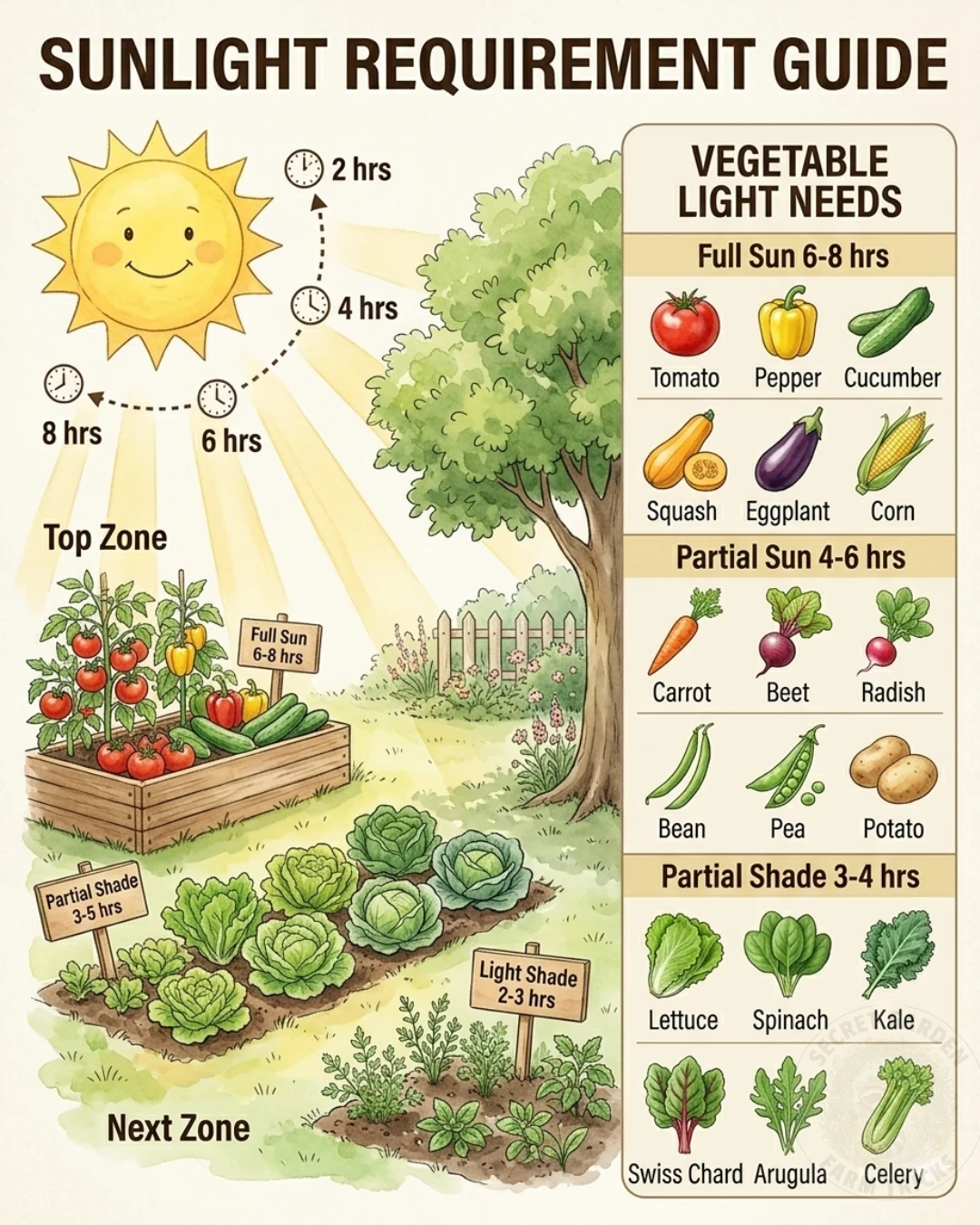
A productive garden rarely happens by accident. More often, it begins with one simple skill that changes everything: learning how sunlight moves across your space. The image lays this out beautifully with a practical vegetable light-needs guide. That is not just a planting chart. It is a daily decision-making tool. When you understand it, your garden becomes easier to manage, your crops perform better, and even your broader farm routine from poultry shade planning to water use becomes more efficient.
Why sunlight matters more than most gardeners realize
Many people blame seeds, pests, or fertilizer when crops struggle. But often the real issue is simpler: the plant is in the wrong light.
Tomatoes placed in partial shade may grow leafy but produce less fruit. Lettuce planted in intense full sun may bolt fast and turn bitter. Peas can tolerate less intense light than peppers, and leafy greens often stay tender longer when protected from the harshest afternoon heat.
This is why mapping sunlight is one of the highest value tasks you can do at the start of a season. It costs nothing. It sharpens your observation skills. And it helps you place each crop where it can thrive with less stress, less guesswork, and fewer wasted inputs.
Sunlight Requirement Guide for Vegetables
Full sun: 6–8 hours
This is the top-performing area for fruiting vegetables that need strong light to flower, set fruit, and ripen well. In the guide, this includes:
- Tomato
- Pepper
- Cucumber
- Squash
- Eggplant
- Corn
These crops are heavy performers. They need warmth, steady feeding, and enough space. Put your best soil and strongest irrigation here because this zone carries much of your summer harvest.

Partial sun: 4–6 hours
This zone is more flexible than many gardeners think. The guide places these crops here:
- Carrot
- Beet
- Radish
- Bean
- Pea
- Potato
These vegetables can still be productive with a bit less direct light, especially if the sunlight comes in the morning or the bed avoids intense afternoon stress. This is a strong zone for succession planting and shoulder-season crops.

Partial shade: 3–4 hours
This is where leafy crops can shine, especially in warmer weather. The guide lists:
- Lettuce
- Spinach
- Kale
- Swiss chard
- Arugula
- Celery
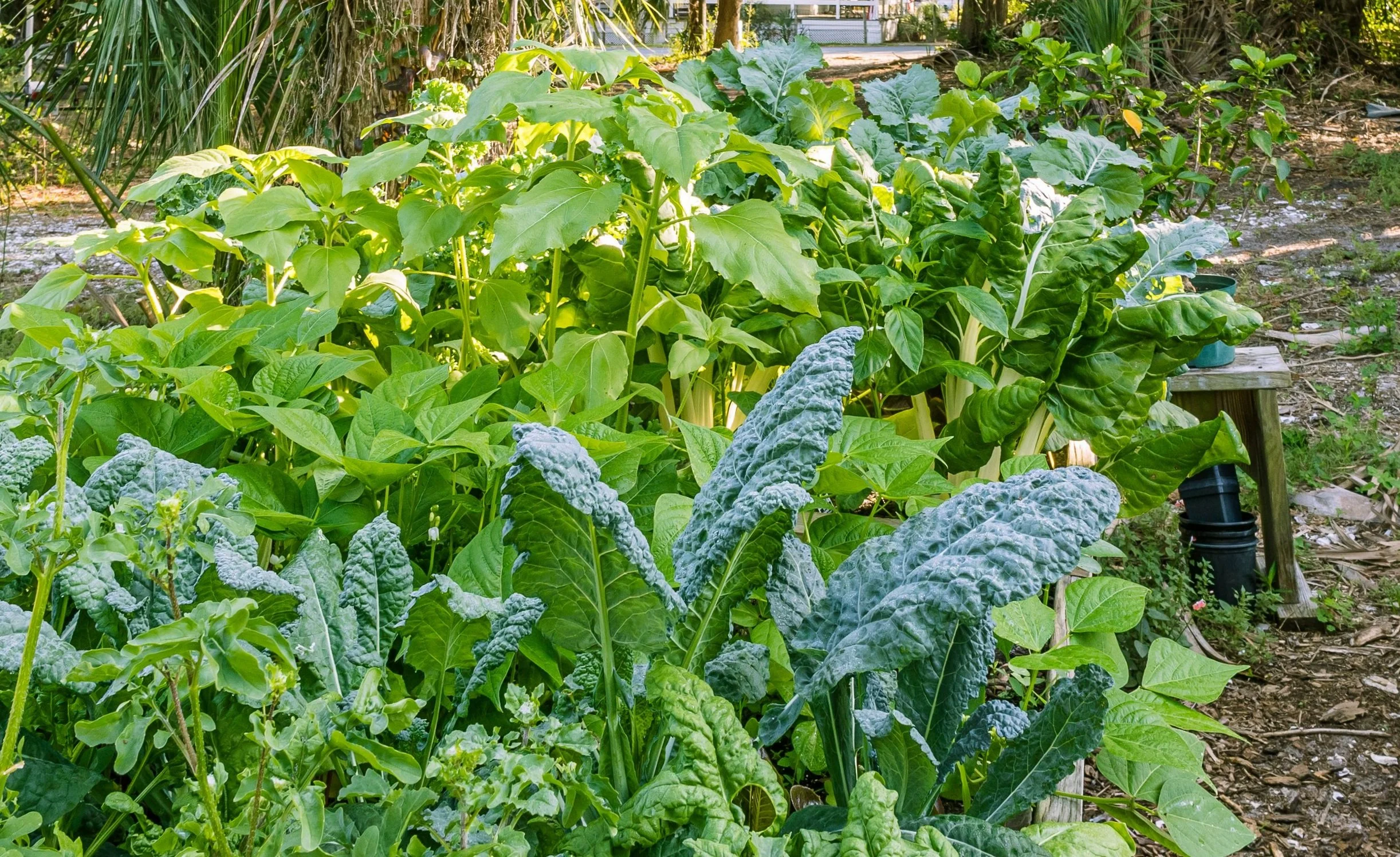
These crops often benefit from moderated light. In hot climates, this zone can actually outperform full sun for greens because it slows bolting and keeps leaves more tender.
How to find your own garden’s light pattern
Before planting, spend one day watching your space. Check it in the morning, around noon, and again in late afternoon. Notice where buildings, fences, trees, and even animal shelters cast shadows.
A quick notebook sketch is enough. Mark which areas get about 2 hours, 4 hours, 6 hours, or 8 hours of direct sunlight. You do not need perfect measurements. You need a working map.
This single step helps you avoid a common mistake: planting according to where a bed looks nice instead of where a crop will actually perform.
A useful habit is to repeat this mapping once in early spring and again near summer. Sun angles change, and a bed that looked bright in March may be far shadier once trees leaf out fully.
Best crop placement strategies for real harvest gains
Put your highest-demand crops in the best light
Reserve your strongest sunniest bed for crops that return the biggest value from it: tomatoes, peppers, cucumbers, eggplant, squash, and corn. These are not the crops to “fit in somewhere.” They should get prime placement.
Use the middle-light zone for reliable staples
Carrots, beets, beans, peas, radishes, and potatoes can make excellent use of spaces that are bright but not all-day blazing. This makes them perfect for beds near fences, the east side of structures, or spots that lose a couple of afternoon hours.
Protect leafy greens from stress
Lettuce, spinach, arugula, kale, Swiss chard, and celery often do better with a little shelter. If your summers are hot, partial shade is not a compromise. It is often a strategy.
Watering tips based on sunlight zones
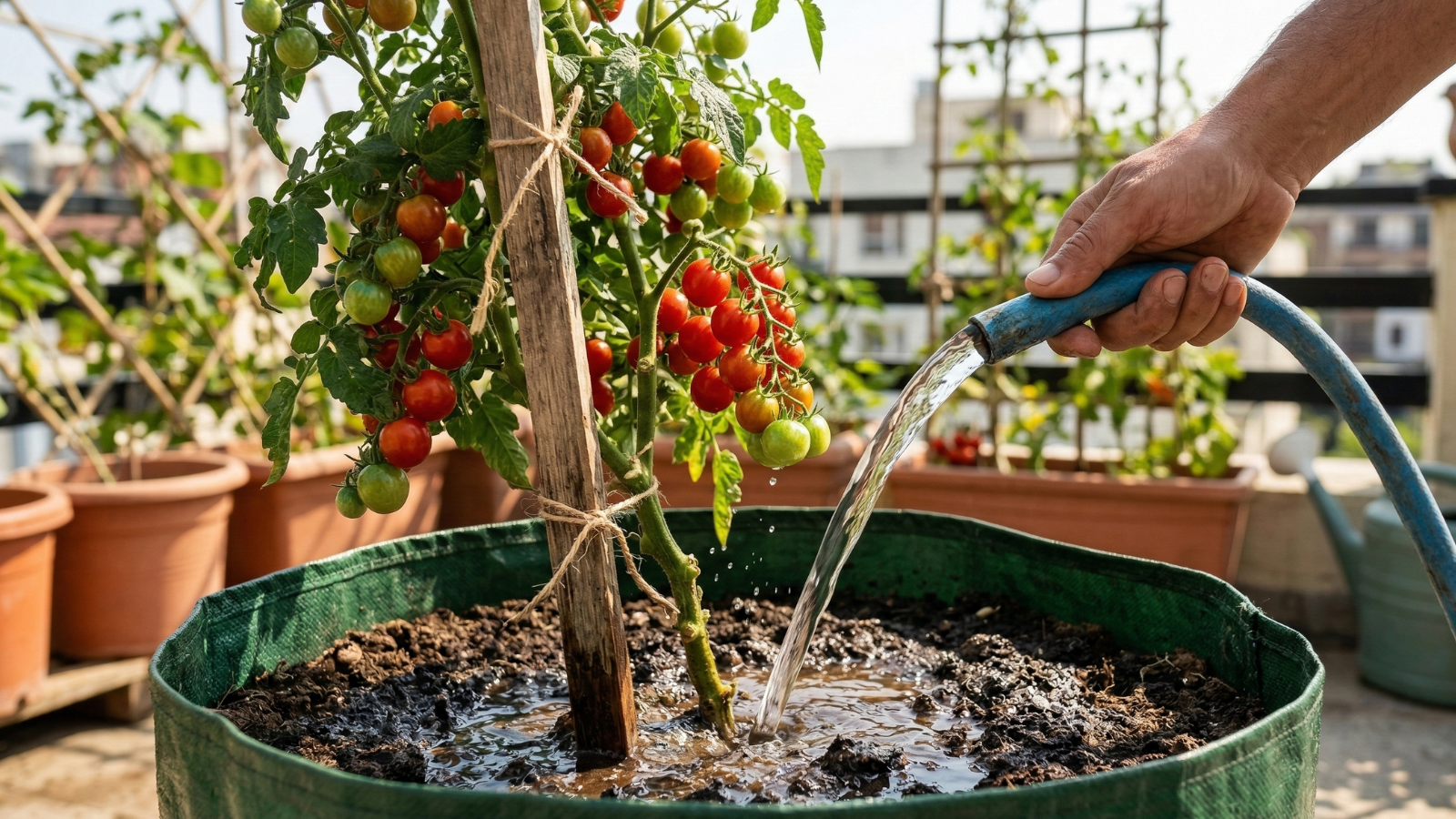
Light and water always work together. The full sun zone dries out faster and needs closer monitoring. Fruiting crops there also use more moisture because they are building large plants and harvestable fruit.
For full sun beds:
- Water deeply rather than lightly
- Mulch to slow evaporation
- Check soil moisture early in the day
- Keep watering consistent to reduce plant stress
For partial sun and shade beds:
- Water less often, but still thoroughly
- Watch for soggy soil, especially in cooler conditions
- Improve airflow so shade does not turn into disease pressure
A simple finger test works well. Push your finger into the soil a couple of inches. If it feels dry there, water. If it still feels moist, wait.
Shade management for poultry and livestock
This same sunlight awareness improves animal care too. On a homestead or mixed farm, sun exposure is not just about plants. It affects heat stress, water use, and daily comfort for livestock and poultry.
Poultry care in sunny months
Chickens in full summer sun can overheat quickly, especially in enclosed runs with little airflow. If your vegetable map shows where afternoon shade falls, use that information for flock planning too. Position moveable tractors, shade cloth, or portable shelters where birds can access cooler ground.
Practical signs your flock needs more heat relief:
- Panting or open-mouth breathing
- Wings held away from the body
- Lower activity
- Reduced feed intake
- Drop in egg production
Fresh water, shade, and ventilation matter every day. A shaded run often improves bird comfort more than people expect.
Livestock pasture use
For goats, sheep, or cattle, observing sunlight patterns helps with pasture rotation and shelter use. Animals prefer resting in shaded areas during hot weather, and overuse can build up around those spots. Rotate access and check high-traffic shade zones for mud, manure buildup, and trampled forage.
A healthy system is not just about feeding animals. It is about designing space so they can regulate themselves more comfortably.
How to build a garden layout that works with nature
The image suggests a very practical layout: tall fruiting vegetables in the brightest top zone, leafy crops in the next zone where light is softer, and lighter-shade herbs or greens in lower-light pockets. This is a smart template because it mirrors how real gardens behave.
Here is a strong approach:
- Keep tall, sun-loving crops where they will not cast shade on smaller crops
- Place leafy greens where afternoon light is gentler
- Use lower-light edges for herbs, salad crops, or recovery beds
- Reassess after each season and move crops based on actual performance
Do not be afraid to adjust. Good gardeners do not memorize rigid rules. They observe, respond, and improve.
Common sunlight mistakes that reduce harvests
Planting tomatoes where lettuce should go
When fruiting crops get weak light, you often get vigorous-looking plants but disappointing harvests.
Planting lettuce in harsh all-day heat
The result is often bitter leaves, bolting, and frustration.
Ignoring tree growth and seasonal change
A bed can lose major sunlight over time as nearby trees mature.
Treating all “sun” as equal
Six hours of cool morning sun is different from six hours of intense late-day heat. Learn how your space behaves, not just how it looks.
A weekly routine that makes this guide practical
The best garden systems are simple enough to repeat. Once a week:
- Walk every bed and note sun, moisture, and plant vigor
- Compare crop performance to light exposure
- Adjust watering by zone
- Mulch exposed soil in the brightest beds
- Harvest greens before heat stress builds
- Check animal shade, waterers, and resting areas
This kind of routine turns scattered chores into informed management. You stop reacting late and start noticing early.
Final thoughts
The sunlight requirement guide offers more than basic planting advice. It teaches a mindset: place the right crop in the right light, and many other problems become easier to manage. Tomatoes, peppers, cucumbers, squash, eggplant, and corn belong in your strongest sun. Carrots, beets, radishes, beans, peas, and potatoes can make smart use of moderate light. Lettuce, spinach, kale, Swiss chard, arugula, and celery often reward you for giving them some shelter.
And once you start seeing sunlight as part of your whole farm system not just your garden beds you make better choices for watering, crop planning, poultry comfort, and livestock care too.
That is where confidence grows. Not from doing more, but from understanding more. A mapped patch of sunlight can become a better harvest, healthier animals, calmer routines, and a deeper sense that your land is working with you instead of against you.