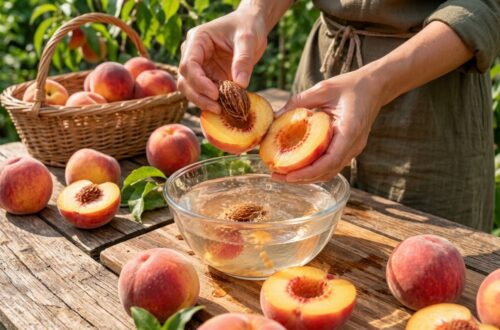
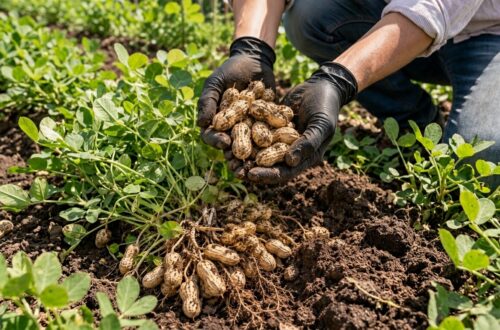
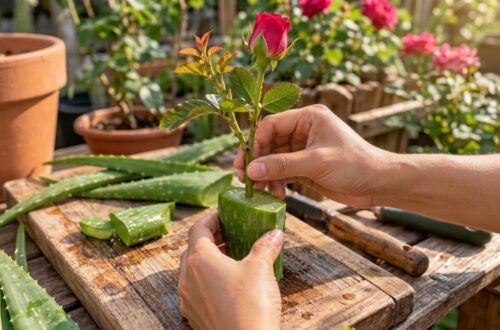
There is a special kind of joy in a garden that learns how to come back on its own. You plant once, allow a few seed heads to mature, and the next season tiny seedlings appear where beauty lived before. That is the quiet power of self-seeding flowers. They soften hard edges, fill empty pockets, support pollinators, and make the garden feel less manufactured and more alive.
For busy gardeners, homesteaders, and small growers, self-seeding flowers are more than pretty extras. They are a practical way to build resilience into the landscape. They reduce replanting costs, keep beds visually full, and help create a living rhythm that improves with time. The secret is knowing which flowers reseed well, where they thrive in the United States, and how to guide them so they feel abundant rather than unruly.
Why self seeding flowers are so valuable
Self-seeding flowers do part of the next season’s work for you. Instead of starting every bed from scratch, you let the strongest plants complete their natural cycle. That means less bare soil, less waste, and often better-adapted seedlings because the next generation emerges where conditions already suit them.
They are especially useful if you want to:
- build a cottage-style garden with a natural look
- support bees, butterflies, and beneficial insects
- keep color moving through the seasons
- reduce annual reseeding work
- make borders feel softer and more connected
The goal is not to let every plant scatter everywhere. The goal is to work with nature just enough that the garden begins helping itself.
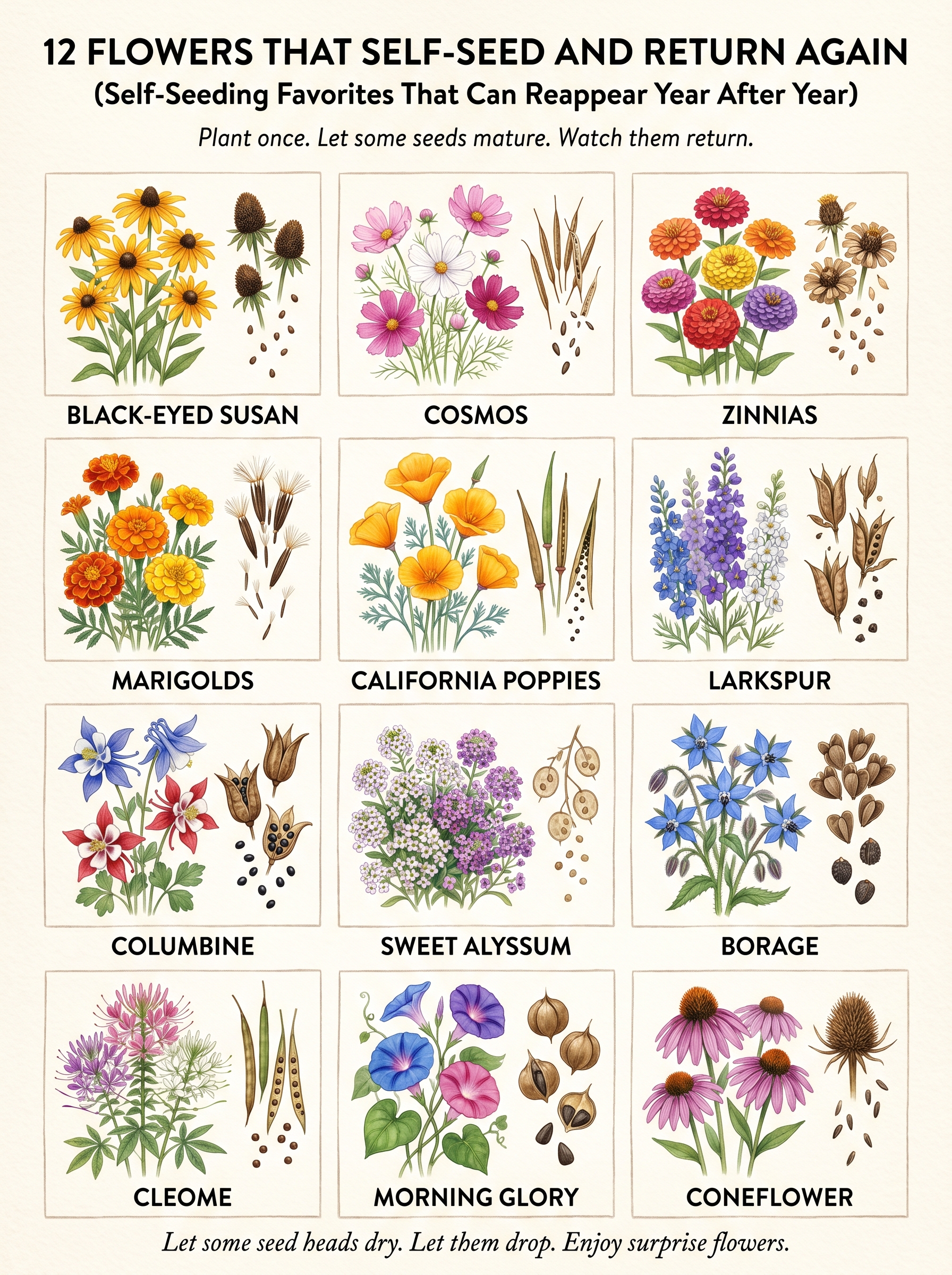
1. Black-Eyed Susan
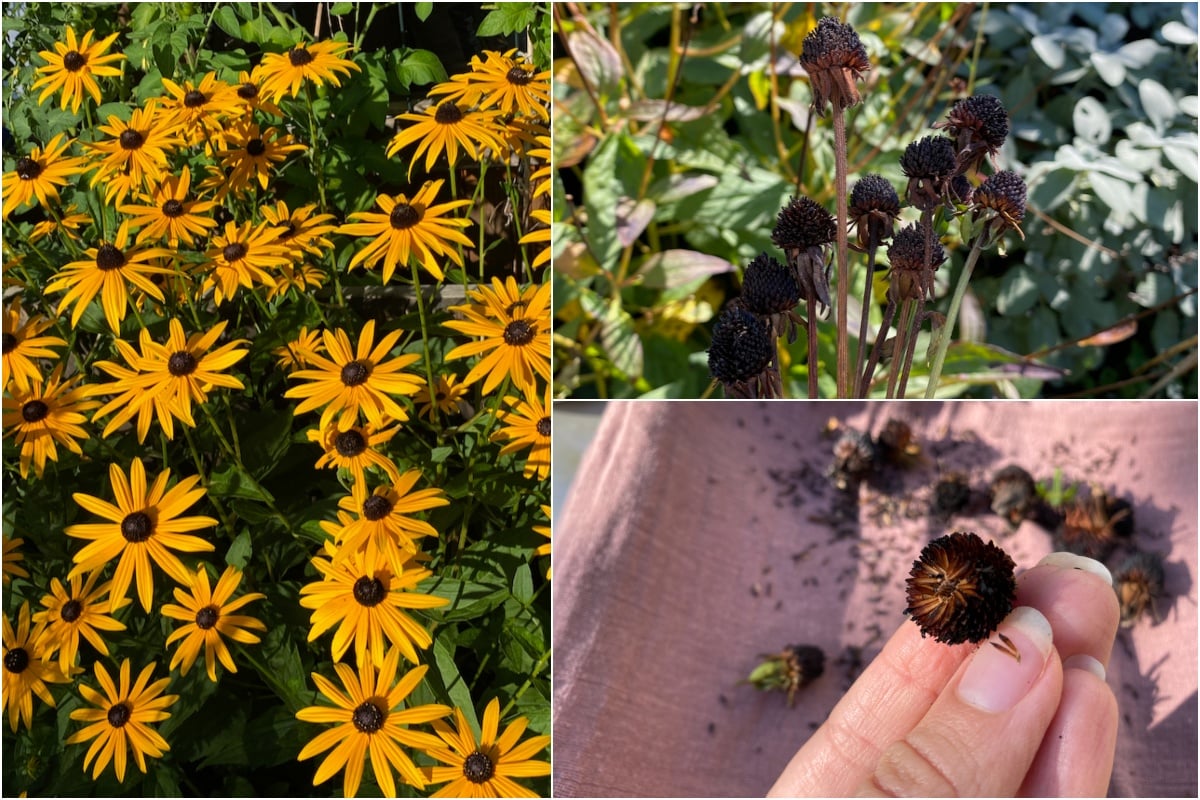
Black-eyed Susan is one of the easiest flowers to welcome into a self-seeding garden. Its sunny yellow blooms brighten borders, meadow beds, and pollinator patches, and the seed heads persist attractively after flowering.
Best USDA zones: 3–9
Garden character: cheerful, upright, reliable, prairie-inspired
Best use: sunny borders, wildlife gardens, naturalized edges
Practical tip: Leave some late-season seed heads standing through autumn instead of cutting everything down at once. That increases the chance of reseeding and also feeds birds.
2. Cosmos
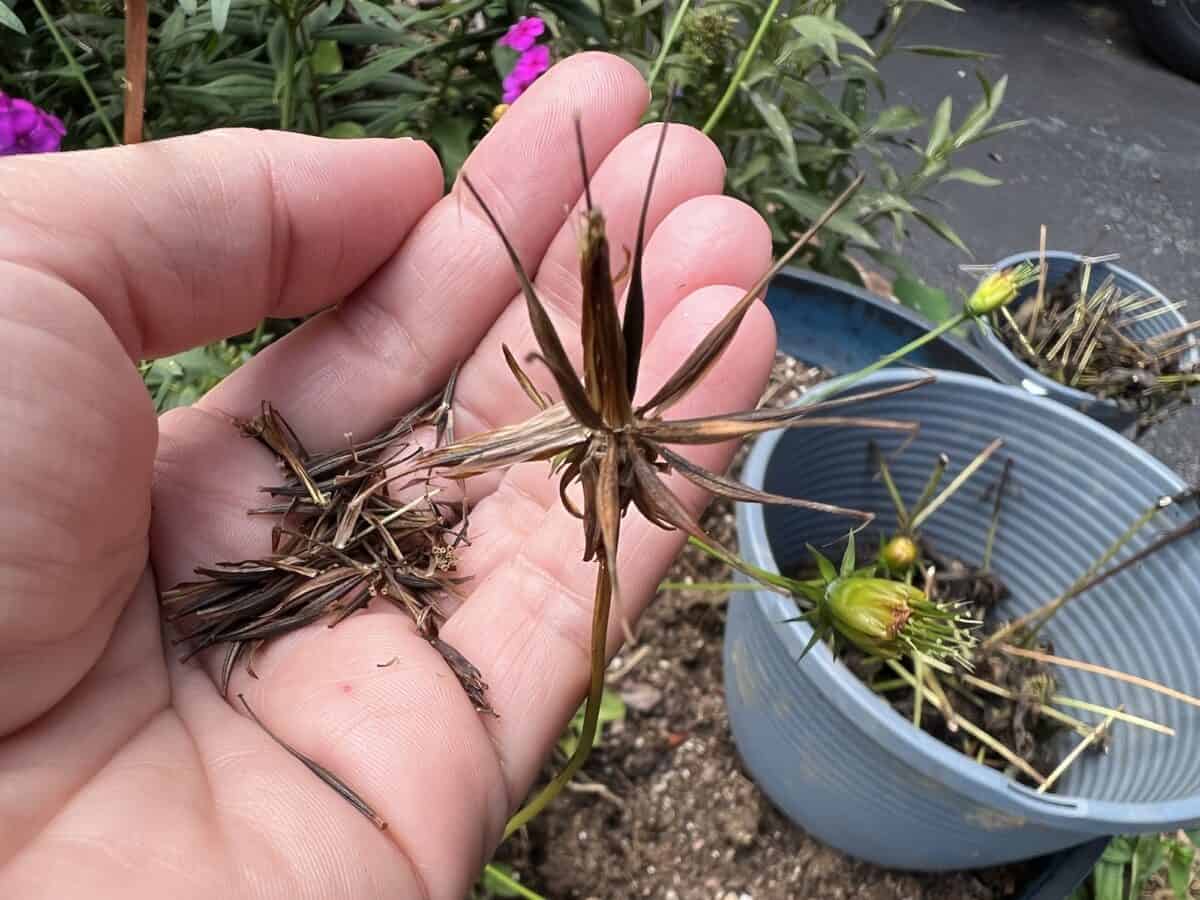
Cosmos has a light, floating quality that makes any planting feel more relaxed. It self-seeds well in open, sunny soil, especially where the ground is not too rich.
Best USDA zones: usually grown as an annual in 2–11, reseeds best in mild to warm areas
Garden character: airy, romantic, soft, movement-filled
Best use: cutting gardens, cottage borders, vegetable garden edges
Practical tip: Do not overfeed cosmos. Rich soil gives you more leaves and fewer flowers, and often weaker stems.
3. Zinnias
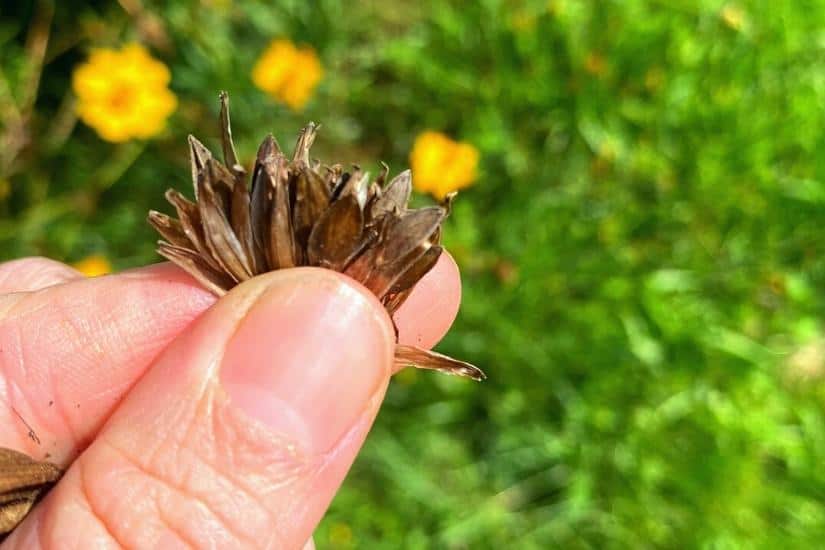
Zinnias are beloved for bold color and long bloom time. In warm conditions, they can reseed surprisingly well if a few flowers are allowed to fully mature and dry.
Best USDA zones: annual in 2–11, best reseeding in 8–11 and sheltered spots elsewhere
Garden character: bright, lively, pollinator-friendly, productive
Best use: cutting gardens, sunny beds, farmstand flower rows
Practical tip: Let a few late-season blooms fully dry on the plant instead of deadheading everything. That is where next season’s surprise patch begins.
4. Marigolds
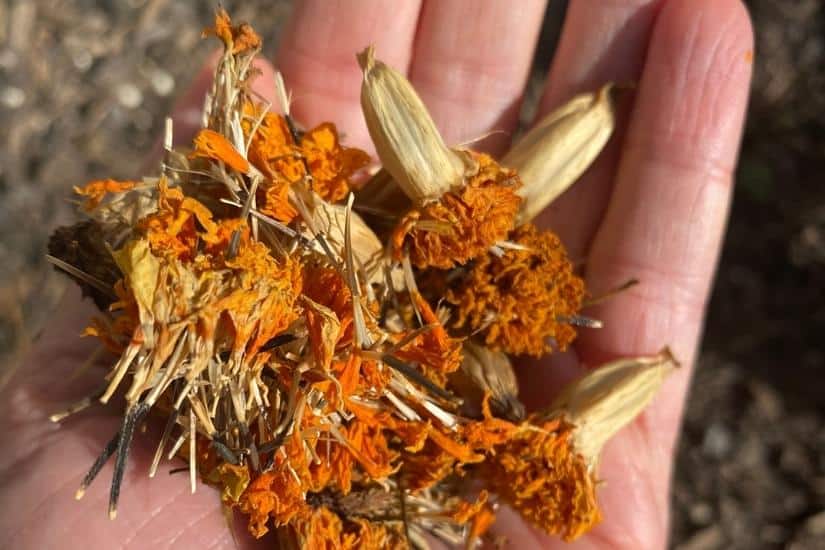
Marigolds are one of the most practical self-seeding flowers for edible gardens and mixed beds. They are compact, easy to identify as seedlings, and useful around vegetables, herbs, and sunny front borders.
Best USDA zones: annual in 2–11, reseeds best in 8–11 and warm summers
Garden character: cheerful, tidy, bright, easygoing
Best use: vegetable beds, front-of-border color, pollinator support
Practical tip: If you want reseeding without chaos, choose one or two zones in the garden where you allow seed drop and deadhead the rest.
5. California Poppies
California poppies are excellent for gardeners who want color with very little fuss. Once they find a sunny, well-drained spot, they often return readily from seed.
Best USDA zones: 6–10, though often grown as an annual wider than that
Garden character: breezy, drought-friendly, golden, natural
Best use: dry borders, gravel gardens, meadow-style planting
Practical tip: Resist the urge to enrich the soil too much. California poppies bloom and reseed better in leaner ground.

6. Larkspur
Larkspur brings vertical elegance and a cool-season softness to the garden. It often reseeds best where winters are cold enough to give seeds their preferred cycle.
Best USDA zones: 2–10 as an annual; often reseeds beautifully in 5–8
Garden character: tall, graceful, cottage-garden classic
Best use: spring and early summer borders, cutting gardens
Practical tip: Mark the area where larkspur drops seed. Seedlings often emerge earlier than expected, and it helps not to disturb them while weeding.

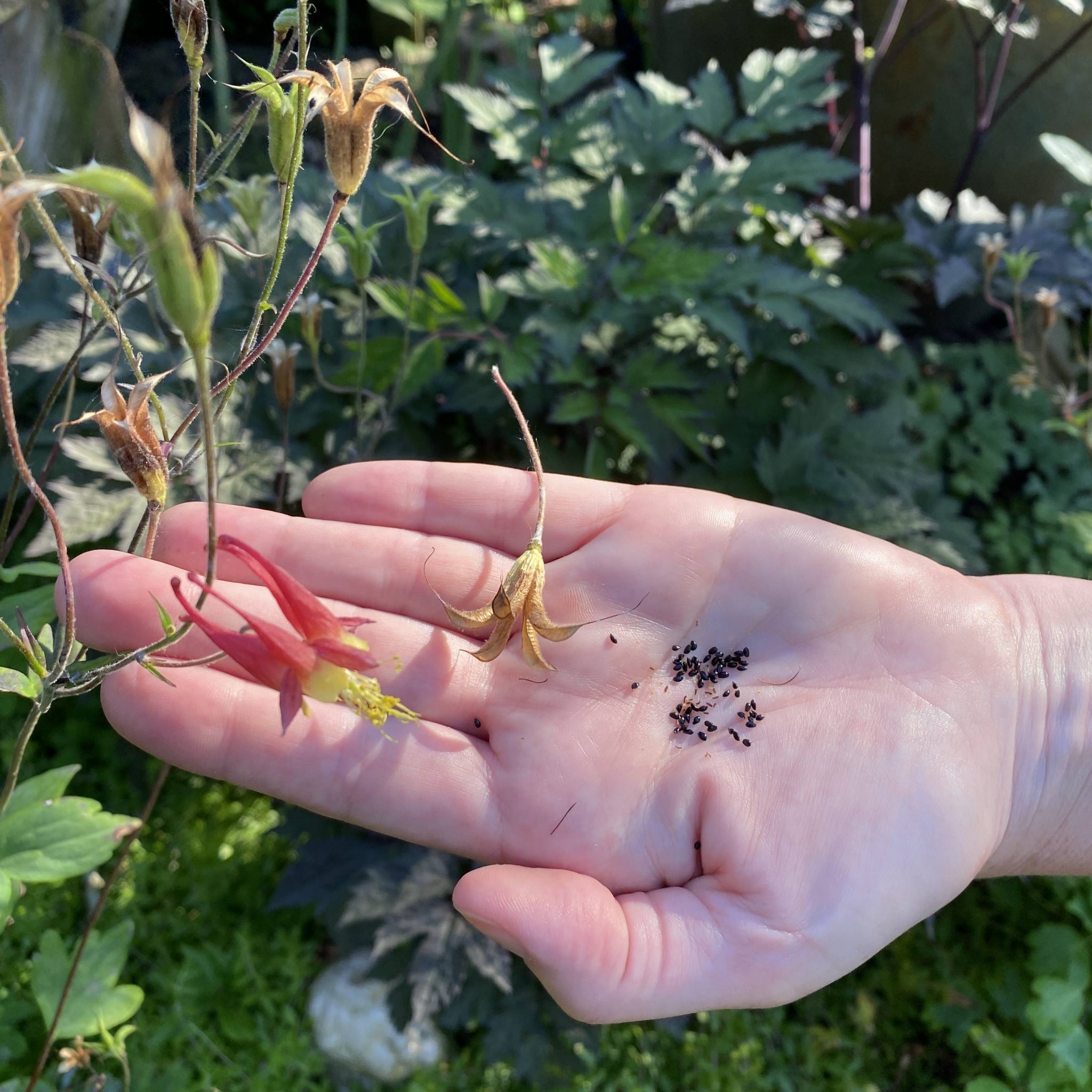
7. Columbine
Columbine is one of the most charming self-seeders because it drifts gently rather than aggressively. Seedlings may appear in slightly different colors if varieties cross, which adds to the magic.
Best USDA zones: 3–9
Garden character: woodland, delicate, whimsical, spring-bright
Best use: part-shade borders, woodland edges, under open trees
Practical tip: Let some flowers mature fully after spring bloom. Columbine does not usually need much help once it feels at home.
8. Sweet Alyssum
Sweet alyssum is useful because it stays low, blooms generously, and often reseeds into neat little patches that soften paths and bed edges.
Best USDA zones: often grown as an annual in 2–11; self-seeds well in mild climates
Garden character: soft, fragrant, edging-friendly, pollinator-rich
Best use: front edges, raised beds, between stepping stones, vegetable beds
Practical tip: Use sweet alyssum where you want a living border. It is especially effective near brassicas, lettuce, and other crops that benefit from beneficial insect activity nearby.

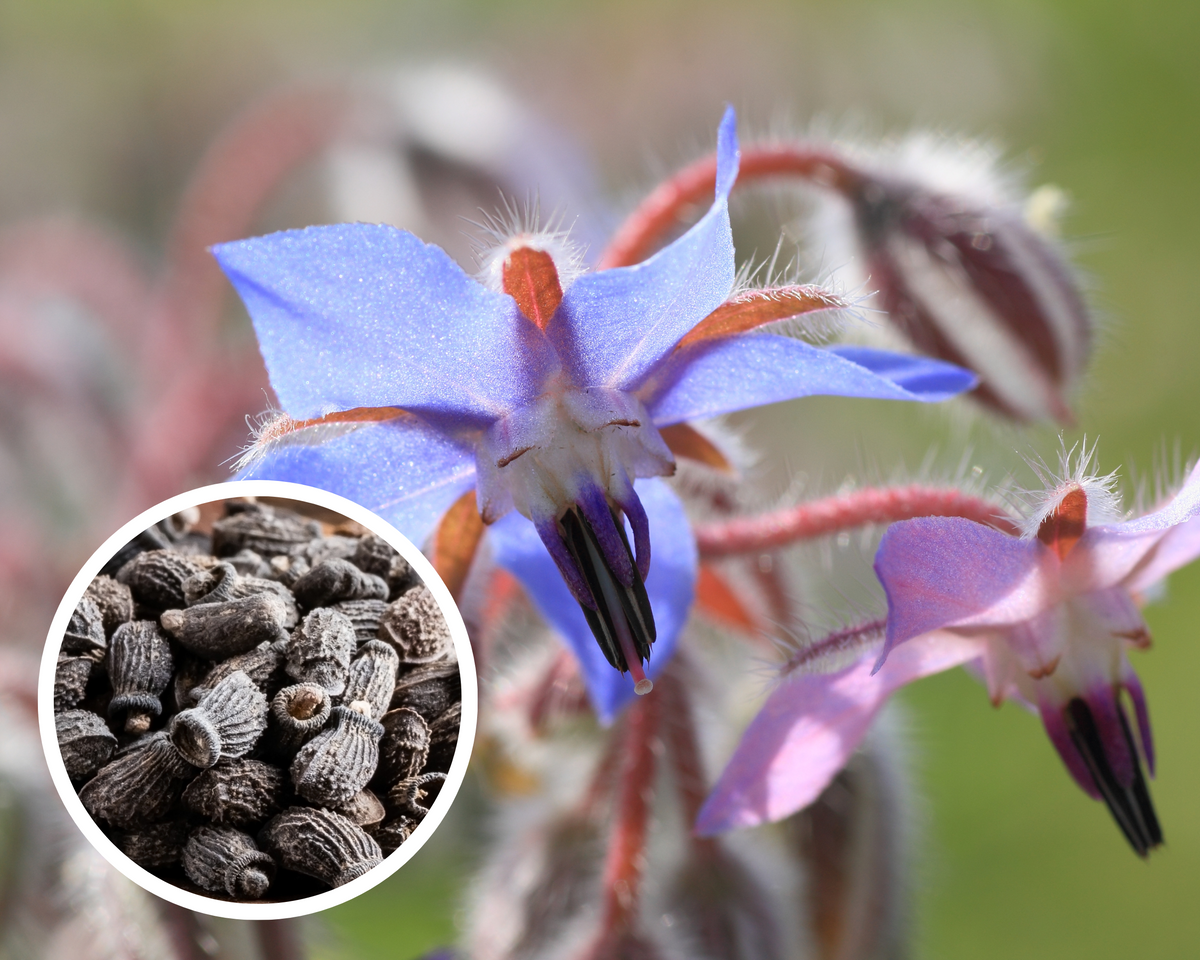
9. Borage
Borage is one of the most useful flowers in a productive garden. It self-seeds freely, attracts bees, and pairs beautifully with vegetables like squash, tomatoes, and strawberries.
Best USDA zones: annual in 2–11; reseeds readily in many regions
Garden character: informal, bee-friendly, herbal, generous
Best use: pollinator beds, kitchen gardens, mixed companion planting
Practical tip: Give borage a little room. It is valuable, but not tiny. Place it where reseeded seedlings can be welcomed instead of cramped.
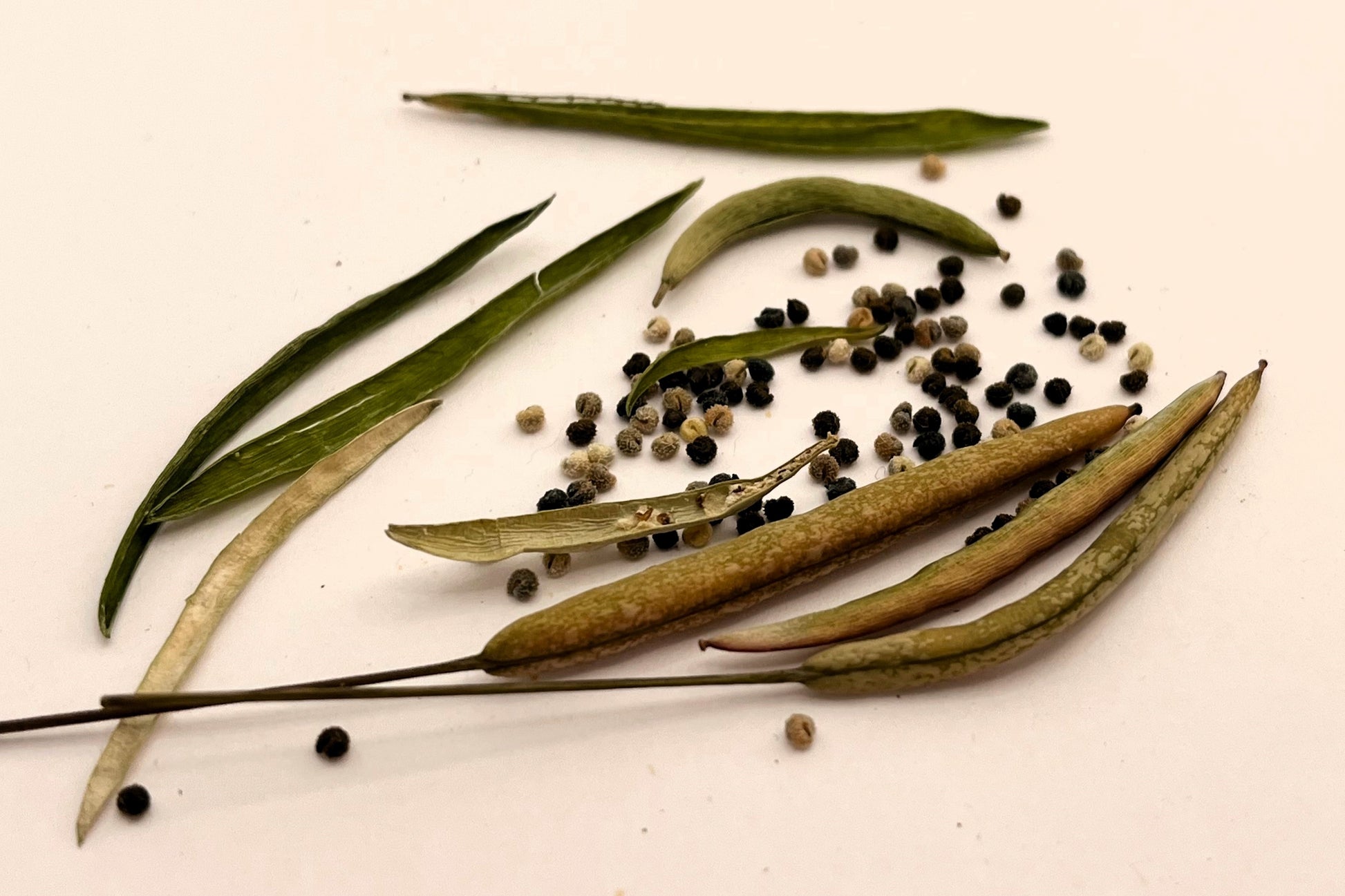
10. Cleome
Cleome creates height, airiness, and a loose cottage-garden feeling. It is one of the best self-seeders for gardeners who want tall seasonal color without replanting large drifts every year.
Best USDA zones: annual in 2–11; reseeds best in warm to moderate climates
Garden character: bold, airy, upright, dramatic
Best use: back of border, mixed annual beds, pollinator planting
Practical tip: Thin seedlings early if too many appear. A few strong cleome plants look elegant. Too many in one patch can feel crowded fast.
11. Morning Glory
Morning glory is a classic self-seeder for trellises, fences, arches, and rustic vertical accents. Once established, it often returns from dropped seed with enthusiasm.
Best USDA zones: annual in most zones, perennial only in frost-free areas
Garden character: climbing, old-fashioned, quick-covering, abundant
Best use: arches, trellises, fences, garden screening
Practical tip: Decide early where you truly want it. Morning glory is beautiful, but it needs boundaries and regular guidance.

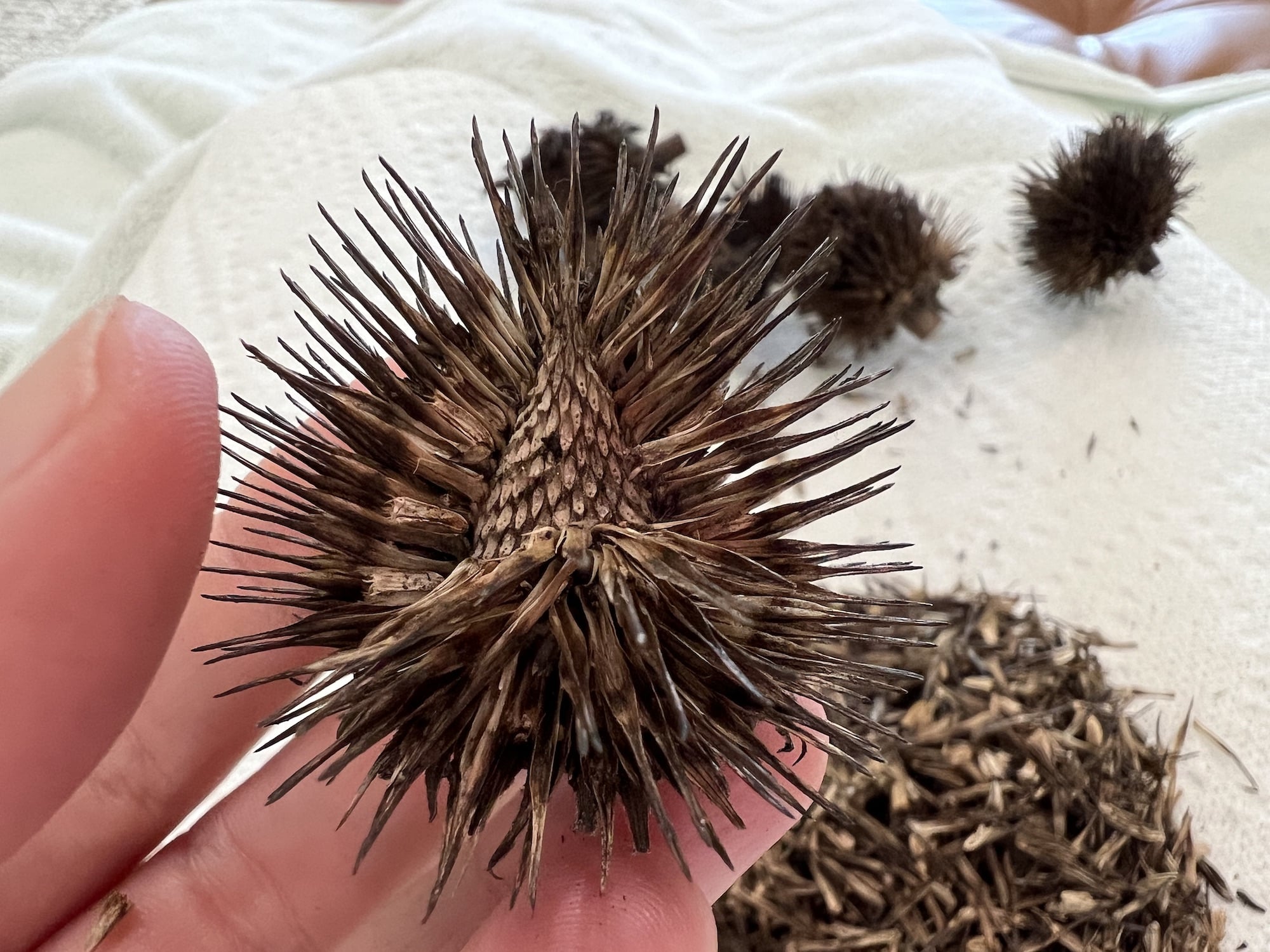
12. Coneflower
Coneflower combines perennial strength with self-seeding potential, which makes it doubly useful. Mature plants return from the crown, and a few seedlings may show up nearby if seed heads are left standing.
Best USDA zones: 3–9
Garden character: sturdy, pollinator-rich, meadow-friendly
Best use: perennial borders, prairie planting, wildlife gardens
Practical tip: Do not clean up the bed too quickly in fall. Leave seed heads through winter, then edit in spring once you see what nature has offered.
How to encourage self-seeding without losing control
Self-seeding works best when you guide it. Too much tidiness and nothing returns. Too little editing and the bed can become messy. The sweet spot is somewhere in between.
Let some seed heads ripen
Deadheading keeps blooms coming, but if you want natural return, stop deadheading selected plants near the end of the season. Choose your healthiest, best-placed flowers.
Leave open pockets of soil
Many seeds germinate best where soil is lightly exposed. Thick mulch everywhere can prevent reseeding. Leave a few open spaces in sunny beds for volunteers to find a foothold.
Learn the seedlings
One of the most useful gardening skills is recognizing young plants. Once you know what baby cosmos, larkspur, or calendula seedlings look like, you stop pulling tomorrow’s flowers by mistake.
Thin, do not fear
If too many seedlings appear, thin them early. This is not failure. It is garden management. Strong spacing creates healthier plants and a more beautiful bed.
Best self seeding flower styles by garden type
For sunny cottage gardens
Cosmos, zinnias, cleome, larkspur, and black-eyed Susan create a soft, abundant look.
For edible gardens
Marigolds, sweet alyssum, borage, and calendula-style flowers are especially useful because they support pollinators and beneficial insects.
For meadow or prairie-inspired planting
Coneflower, black-eyed Susan, California poppies, and cosmos settle in beautifully.
For part shade
Columbine is one of the best choices, especially where spring light is strong before trees fully leaf out.
A practical note about USDA zones
Self-seeding behavior depends not only on plant hardiness but also on winter moisture, soil type, summer heat, and how early frost arrives. A flower may self-seed heavily in one Zone 7 garden and barely at all in another. Use USDA zones as a guide, then observe your own site like a gardener building local wisdom.
Final thoughts: let the garden do some of the remembering
A self-seeding garden feels generous because it carries memory from one season into the next. A flower blooms, sets seed, rests, and quietly returns. That cycle changes how gardening feels. You become less focused on replacing everything and more focused on guiding what wants to stay.
Black-eyed Susan, cosmos, zinnias, marigolds, California poppies, larkspur, columbine, sweet alyssum, borage, cleome, morning glory, and coneflower each bring their own personality. Some drift. Some pop up boldly. Some return in the exact place you hoped. Others appear where you did not plan but somehow needed them.
That is the beauty of self-seeding flowers. They make the garden feel not only planted, but alive.