One of the most important gardening skills is knowing when a crop truly wants to grow. Many disappointing harvests are not caused by bad soil, poor seeds, or lack of effort. They happen because the right crop was planted in the wrong season. Lettuce struggles in sudden heat. Tomatoes stall in cold soil. Cucumbers sulk when nights stay chilly. Kale thrives while peppers wait.
Once you understand the difference between cool-season and warm-season vegetables, your whole garden becomes easier to manage. You stop forcing plants to perform against their nature. You begin planting with the season instead of against it. That one shift improves germination, reduces stress, lowers pest pressure, and makes your daily garden routine far more productive.
This guide walks through six cool-season vegetables and six warm-season vegetables, with practical advice for U.S. gardeners, zone-based timing, and simple care habits that lead to stronger crops and better harvests.
Why seasonal timing matters more than most gardeners think
Vegetables are not all built for the same weather. Some crops grow best in cool air, mild soil temperatures, and shorter spring windows. Others need warmth in the soil and steady sun to develop strong roots, flowers, and fruit.
When timing is off, problems show up quickly:
- cool-season crops bolt, turn bitter, or stop sizing up
- warm-season crops sit still, yellow, or rot in cold soil
- pest pressure rises because stressed plants are easier targets
- watering becomes harder because roots are weak and uneven
Good timing solves many of these problems before they begin. It is one of the simplest ways to garden more skillfully.
What counts as a cool-season vegetable?
Cool-season vegetables prefer the mild conditions of early spring or fall. Many tolerate light frost and actually taste better before heat arrives. They are often leafy greens or root crops, though not always.
These crops are best planted when:
- soil is workable
- nights are still cool
- summer heat has not fully arrived
What counts as a warm-season vegetable?
Warm-season vegetables need heat to grow properly. They usually dislike frost, resent cold soil, and perform best once temperatures are stable.
These crops are best planted when:
- frost danger has passed
- soil has warmed
- nights are no longer cold and erratic
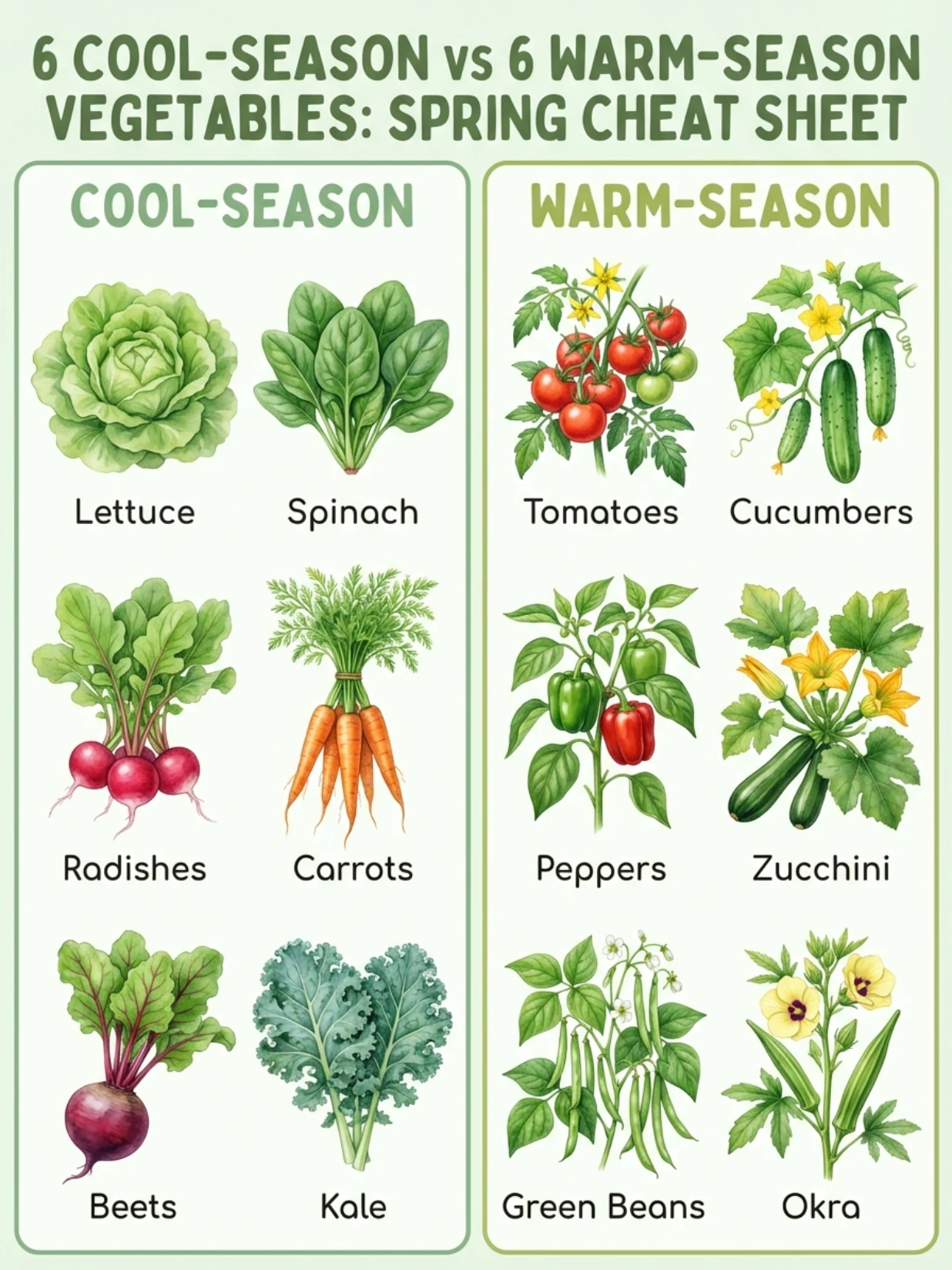
Cool-Season Vegetables
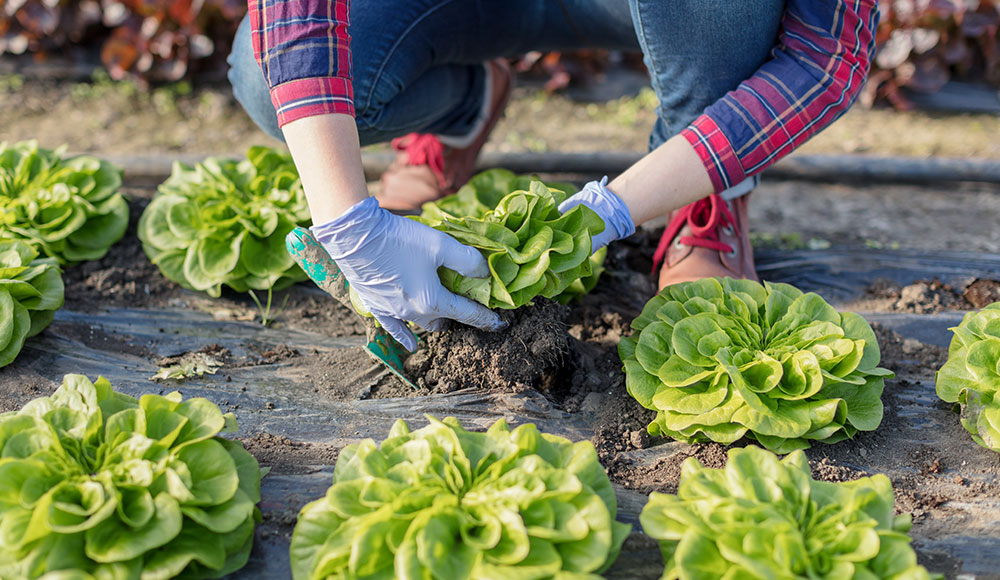
1. Lettuce
Lettuce is one of the best cool-season crops because it grows quickly and rewards even small spaces. It prefers mild temperatures and steady moisture, and it tends to become bitter or bolt once intense heat arrives.
Best USDA timing:
- Zones 3–5: mid to late spring, then again in late summer
- Zones 6–7: early spring and fall
- Zones 8–10: late winter to early spring, then fall to winter
Practical care tip:
Sow small amounts every 7 to 10 days instead of planting all at once. This keeps the harvest coming and prevents a sudden glut followed by empty beds.
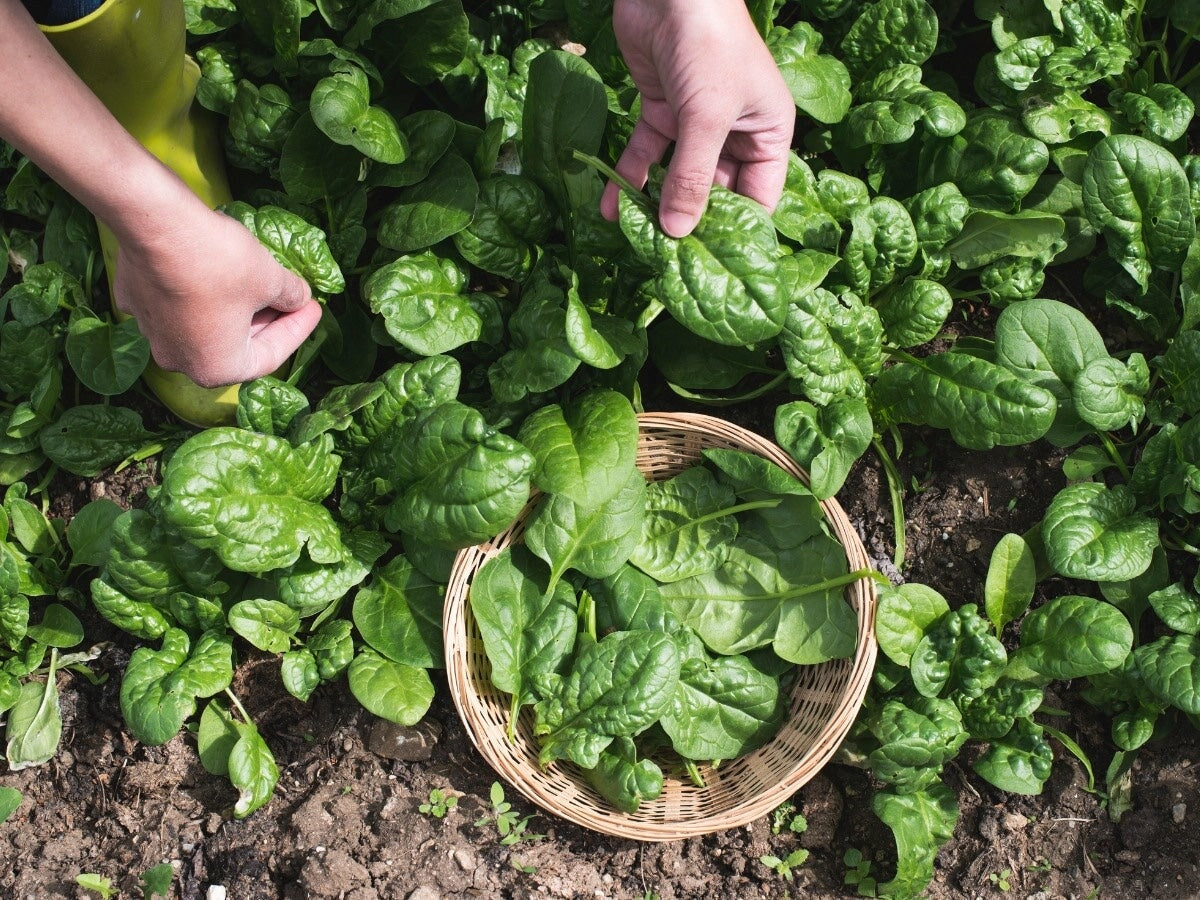
2. Spinach
Spinach is highly productive in cool weather and one of the first crops to complain when temperatures rise. It is excellent for gardeners who want dense nutrition from a small area.
Best USDA timing:
- Zones 3–5: spring and early fall
- Zones 6–7: very early spring and fall
- Zones 8–10: late fall through early spring
Practical care tip:
Keep the soil evenly moist during germination. Spinach seed does not like erratic moisture, and poor early watering often leads to thin stands.
3. Radishes
Radishes are fast, satisfying, and excellent for building confidence. They mature quickly and help use open spring space before slower crops take over.
Best USDA timing:
- Zones 3–7: spring and fall
- Zones 8–10: late fall through early spring
Practical care tip:
Harvest promptly. Radishes left in the soil too long often become woody, hollow, or overly hot in flavor.

4. Carrots
Carrots are cool-season root crops that reward patience. They need a loose seedbed, consistent moisture, and time to establish before heat hardens the soil or interrupts growth.
Best USDA timing:
- Zones 3–5: mid-spring through summer for staggered harvests
- Zones 6–7: spring and late summer
- Zones 8–10: fall through early spring
Practical care tip:
Focus on the first two weeks after sowing. Carrot seeds need a moist surface layer to germinate well. If the topsoil dries repeatedly, germination drops fast.

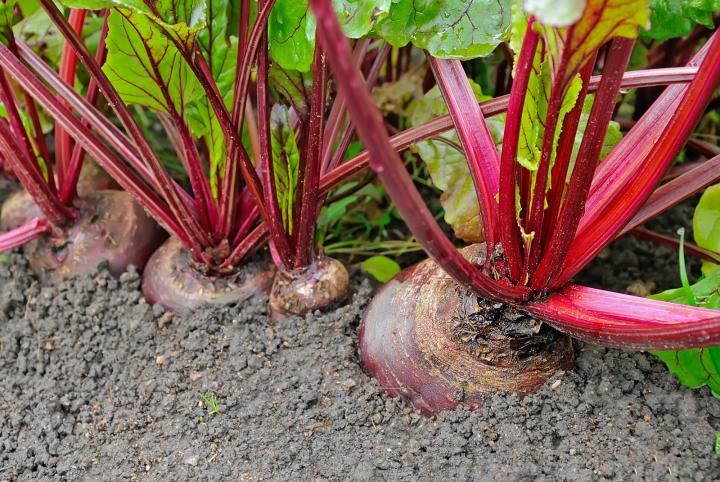
5. Beets
Beets are one of the most practical crops because they offer two harvests in one plant: roots and greens. They prefer cooler conditions early on and are ideal for spring succession planting.
Best USDA timing:
- Zones 3–5: spring through midsummer
- Zones 6–7: spring and late summer
- Zones 8–10: fall through spring
Practical care tip:
Thin early and decisively. Crowded beets often produce plenty of tops but disappointing roots.
6. Kale
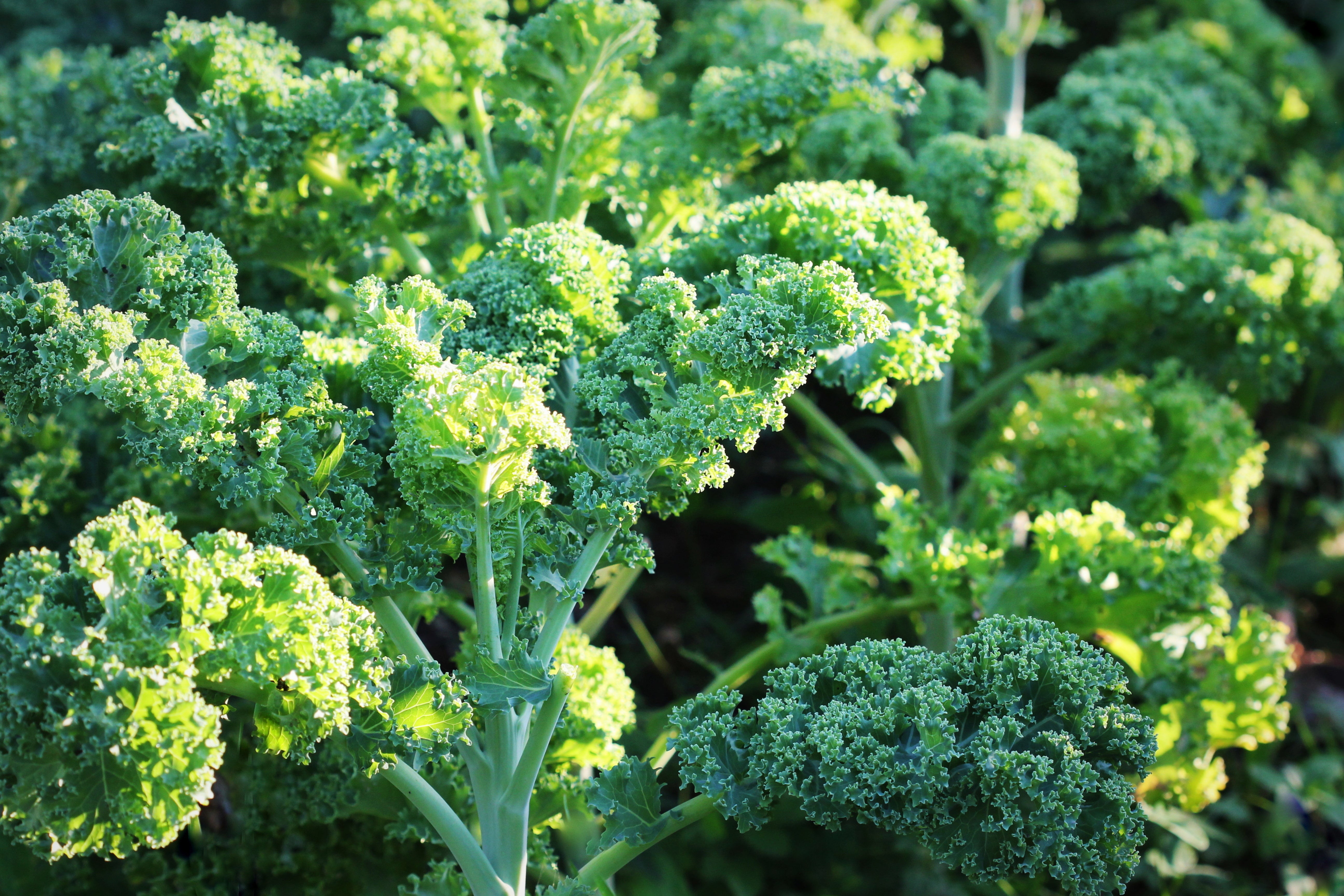
Kale is one of the toughest cool-season vegetables and one of the most forgiving. It handles cold well, grows steadily, and often improves in flavor after cool weather.
Best USDA timing:
- Zones 3–5: spring through early summer, then late summer
- Zones 6–7: spring and fall
- Zones 8–10: fall through spring
Practical care tip:
Harvest outer leaves first and keep the center intact. This turns one planting into a much longer harvest period.
Warm-Season Vegetables
1. Tomatoes
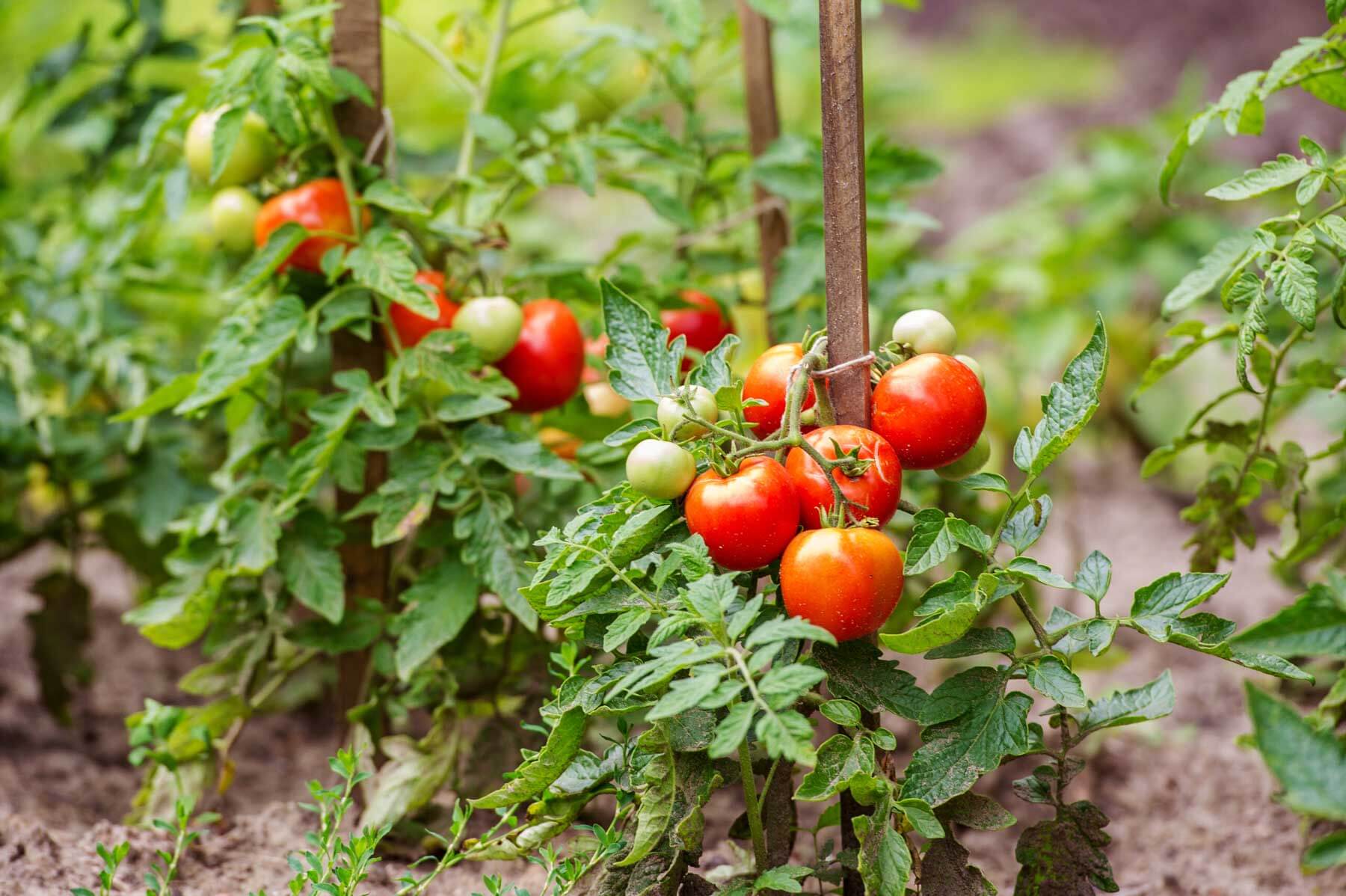
Tomatoes are a classic warm-season crop, but they are often planted too early. They need warm soil and steady nighttime temperatures to establish well.
Best USDA timing:
- Zones 3–5: late spring after frost
- Zones 6–7: spring after frost
- Zones 8–10: late winter to spring, depending on local heat patterns
Practical care tip:
Do not plant just because one sunny day feels warm. Watch the nights. Tomatoes settle best when nights are consistently mild, not bouncing between warm afternoons and cold evenings.
2. Cucumbers
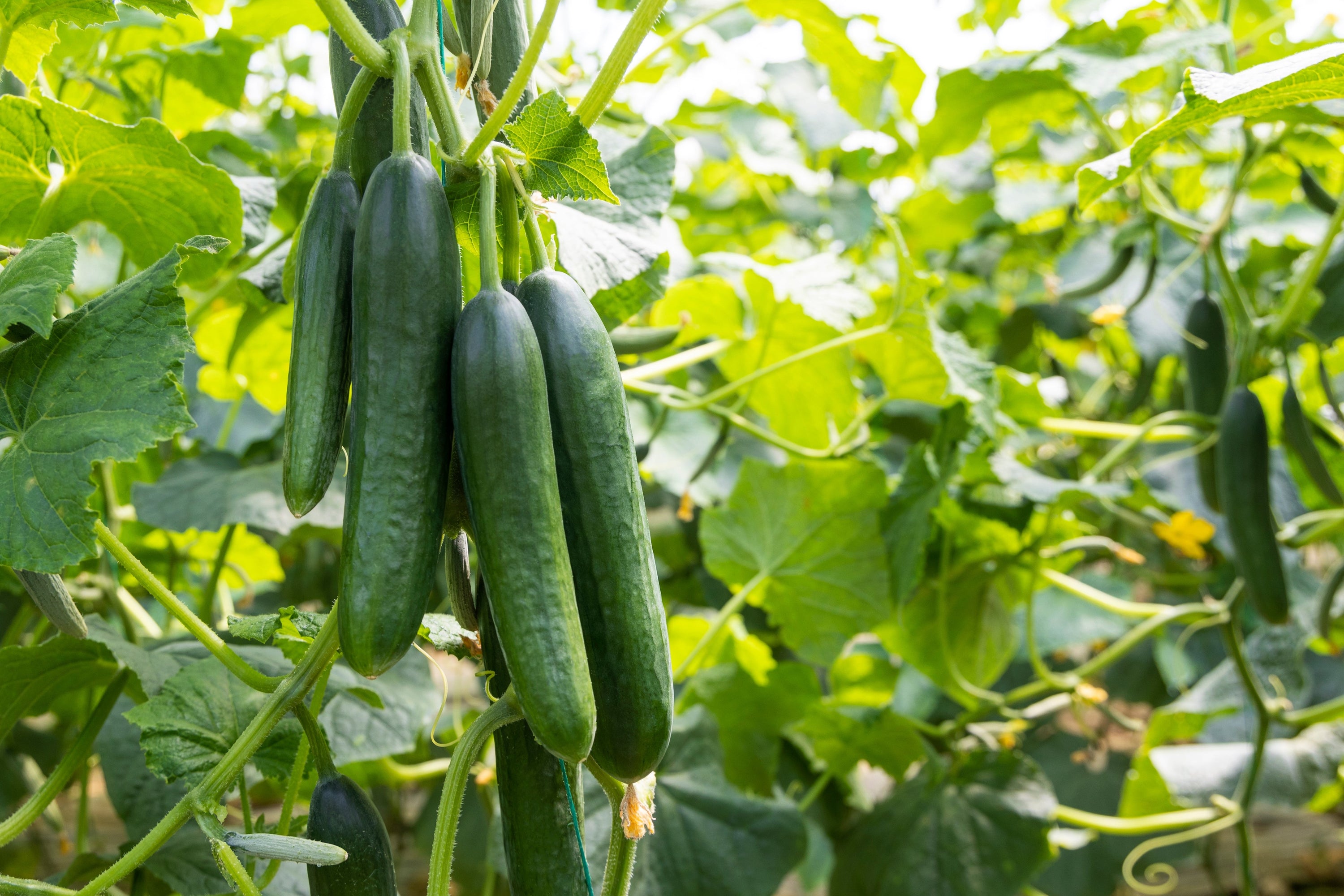
Cucumbers grow fast once the weather is right, but cold soil can slow them badly. They need warmth, regular water, and steady growth to stay productive.
Best USDA timing:
- Zones 3–5: late spring
- Zones 6–7: spring after soil warms
- Zones 8–10: early to mid-spring
Practical care tip:
Train cucumbers vertically when possible. Trellising improves airflow, keeps fruit cleaner, and makes harvest easier.
3. Peppers
Peppers like heat even more than many gardeners realize. They grow slowly in cool conditions and perform best once the season is truly settled.
Best USDA timing:
- Zones 3–5: late spring to early summer
- Zones 6–7: late spring
- Zones 8–10: spring
Practical care tip:
Mulch after the soil is warm. This helps stabilize moisture and root temperature without trapping spring chill too early.

4. Zucchini
Zucchini is vigorous, productive, and one of the most rewarding summer vegetables, but it needs real warmth to get going.
Best USDA timing:
- Zones 3–5: late spring after frost
- Zones 6–7: mid to late spring
- Zones 8–10: spring
Practical care tip:
Give it more space than you think it needs. Crowded zucchini becomes harder to harvest, harder to inspect, and more prone to mildew.

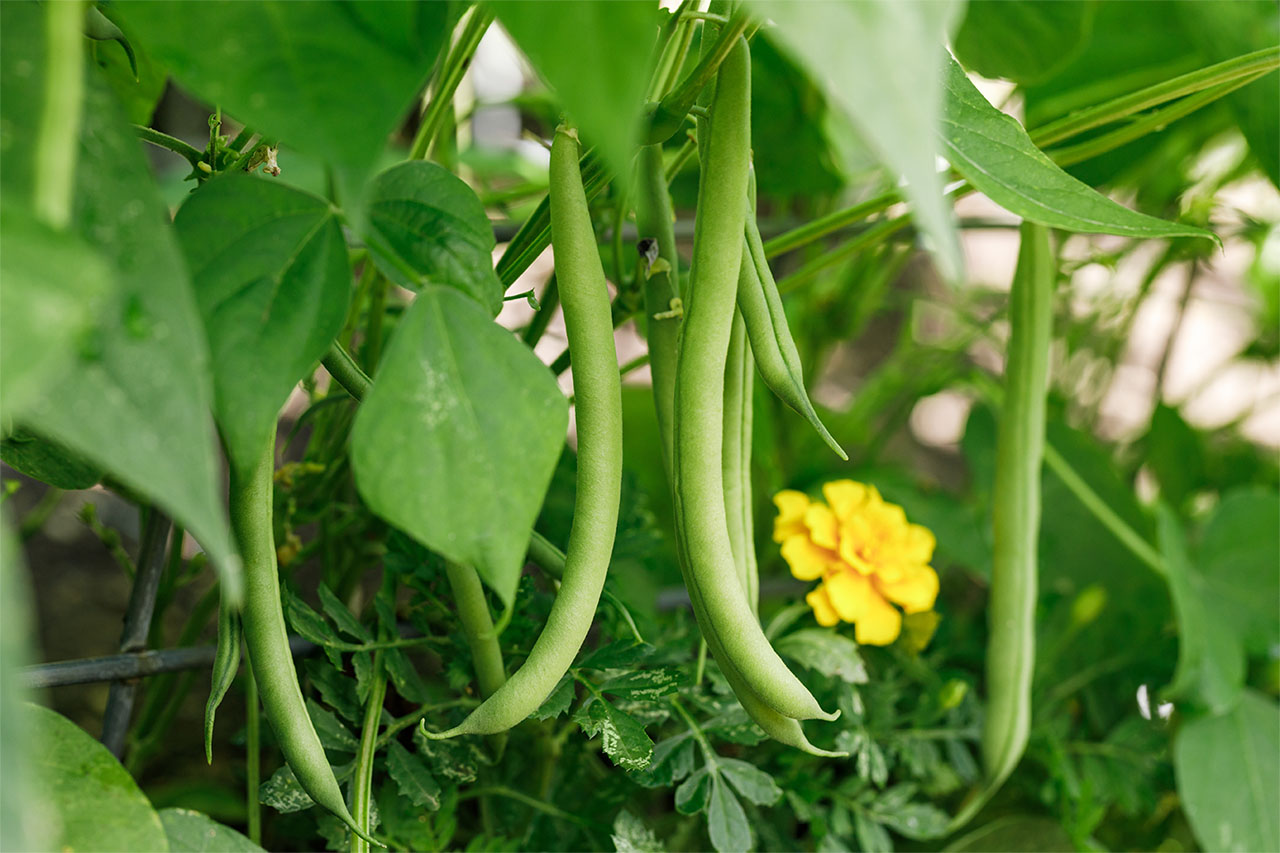
5. Green Beans
Green beans are easy to direct sow and highly productive when planted into warm soil. They dislike cold, wet starts.
Best USDA timing:
- Zones 3–5: late spring through summer
- Zones 6–7: spring through midsummer
- Zones 8–10: spring and sometimes late summer for a second crop
Practical care tip:
Plant in short succession waves, not one giant sowing. This gives you a longer harvest and reduces waste.
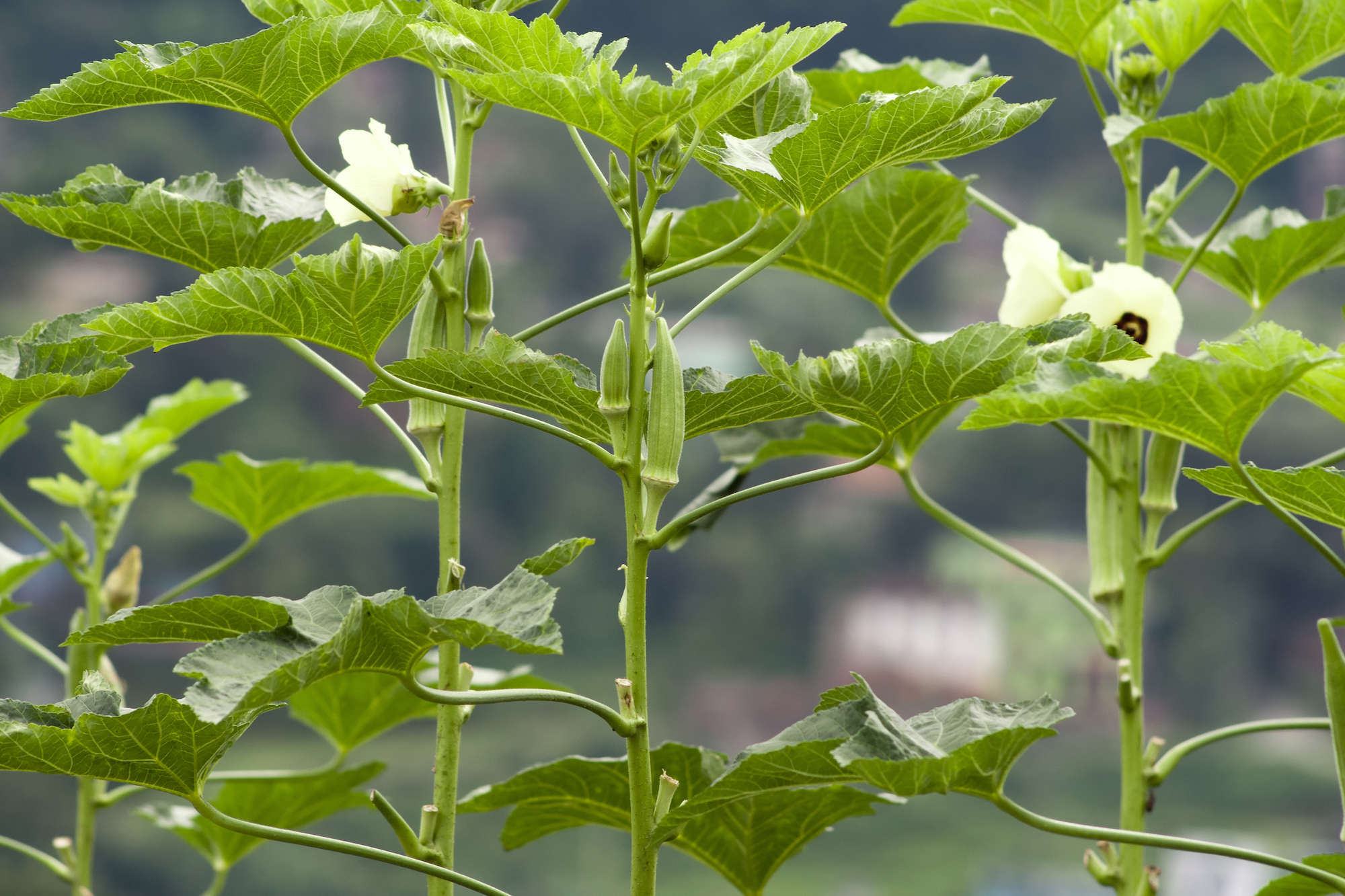
6. Okra
Okra truly loves heat. It is one of the best warm-season vegetables for gardeners in hotter regions and often performs better as summer intensifies.
Best USDA timing:
- Zones 5–7: late spring to early summer
- Zones 8–10: spring through early summer
Practical care tip:
Wait for genuinely warm soil. Okra rewards patience. A later planting into warm ground often outperforms an early planting that sits and struggles.
How to use this cool-season vs warm-season split in real garden planning
Plant in two waves, not one big rush
A smarter spring garden usually has:
- an early wave of lettuce, spinach, radishes, carrots, beets, and kale
- a later wave of tomatoes, cucumbers, peppers, zucchini, beans, and okra
This makes the garden more organized and reduces competition between crops that want very different conditions.
Watch the soil, not just the calendar
The calendar helps, but soil condition matters more. Cool-season crops can often begin when the soil is workable. Warm-season crops need soil that is not just thawed, but warm enough to support real growth.
Use succession planting to keep beds productive
As cool-season crops finish, warm-season crops can take over. A bed of spring spinach may later become peppers. Radishes may come out before cucumbers spread. This is how small spaces stay highly productive.
Common mistakes gardeners make in spring
Planting warm-season crops too early
This is one of the biggest problems. Tomatoes, peppers, cucumbers, zucchini, and beans do not gain an advantage by sitting in cold soil.
Holding cool-season crops too long
Lettuce and spinach rarely improve once real heat arrives. Harvest them generously and replace them before they turn bitter or bolt.
Treating all vegetables the same
Each crop has its own rhythm. A better gardener learns to notice those differences and plant accordingly.
Ignoring zone reality
A Zone 4 spring and a Zone 9 spring are not the same season in practice. Use your USDA zone as a guide, then refine with local weather and soil conditions.
Final thoughts: better gardening begins with better seasonal judgment
The difference between cool-season and warm-season vegetables is not a minor detail. It is one of the foundations of productive gardening. Lettuce, spinach, radishes, carrots, beets, and kale thrive when the season is still mild. Tomatoes, cucumbers, peppers, zucchini, green beans, and okra need warmth to become what they are meant to be.
Once you start planting this way, gardening becomes less frustrating and far more intuitive. You waste less time rescuing stressed plants. You harvest more at the right moment. Your beds turn over more smoothly. And the whole garden begins to feel like a place where timing, observation, and care work together.
That is when gardening stops being guesswork and starts becoming real skill.