May is one of the most exciting months in the garden, but it is also one of the easiest times to make costly mistakes. Warm days arrive, garden centers fill up, and it suddenly feels like everything should go into the ground at once. But successful summer gardening is not about planting early just because the calendar says spring. It is about planting after the last frost, when both air and soil are warm enough to support strong, steady growth.
That difference matters. A tomato set into cold ground may survive, but it often stalls. Basil can sit still for weeks if nights stay chilly. Cucumbers and squash may rot, sulk, or invite pests before they ever hit their stride. When you wait for the right moment, the same crops establish faster, grow cleaner, and reward you with healthier foliage, better flowering, and more dependable harvests.
This is where gardening starts to feel less like guesswork and more like skill. Once you learn to plant by frost date and soil warmth, not just excitement, your whole routine becomes more productive.
Why “after last frost” matters so much
Warm-season crops come from plants that naturally prefer stable heat. They do not want cold nights, cold soil, or sudden spring setbacks. Even when frost is technically over, soil may still be too cool for roots to grow well. That is why experienced gardeners look at two things before planting:
1. Frost has truly passed
Your local last frost date is a guide, not a guarantee. Wait until the danger of frost is behind you, especially for tender crops like basil, cucumbers, and okra.
2. The soil has warmed
Warm soil creates stronger roots, quicker establishment, and less stress. Many summer vegetables perform far better when planted into welcoming conditions instead of merely survivable ones.
In practical terms, this means a later planting into warm soil often outperforms an early planting into cold ground.
USDA zone timing: how May planting differs across the U.S.
The same crop does not go in at the same time everywhere.
Zones 3–5
May may still be early for the most heat-loving plants. Tomatoes, peppers, and basil often go in toward late May or even early June depending on your local weather. Soil temperature matters more than impatience.
Zones 6–7
This is often the sweet spot for May planting. Frost risk usually drops, soil begins warming nicely, and summer crops can establish with real momentum.
Zones 8–10
In many warmer regions, May is already firmly summer-like. Warm-season crops can go in confidently, but consistent watering and mulch become important quickly.
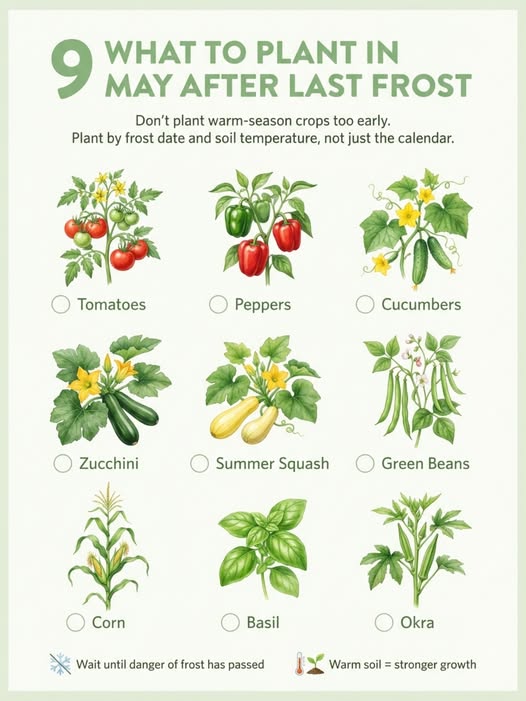
1. Tomatoes: the classic summer anchor
Tomatoes are often the first crop gardeners want to plant, and also one of the most commonly planted too early. They need warm soil and mild nights to truly take off.
Plant character: fast-growing, sun-loving, heavy-feeding, frost-sensitive
Best role in the garden: raised beds, in-ground rows, trellised kitchen gardens, large containers
Practical planting tip: Set tomatoes deeply if the variety allows it. A buried stem can produce more roots, which helps the plant anchor and feed itself more effectively through summer.
Care habit that matters: Support them from day one. Cages, stakes, or trellises are much easier to install before the plant becomes large and tangled.
2. Peppers: plant later, harvest better
Peppers dislike cold more than many gardeners realize. They often survive cool weather, but they do not love it. When planted too early, they can sit still for weeks.
Plant character: heat-loving, compact to medium-sized, slow to start, productive in warmth
Best role in the garden: raised beds, rows, containers, mixed edible borders
Practical planting tip: Wait until nighttime temperatures are consistently mild. Peppers reward patience more than rushing.
Care habit that matters: Mulch after the soil is warm. This helps stabilize moisture and keeps roots from swinging between hot afternoons and dry mornings.
3. Cucumbers: quick once the weather is right
Cucumbers grow fast in warm conditions and can become one of the most satisfying crops in the summer garden. But they need warmth to germinate and establish cleanly.
Plant character: vining or bushy, thirsty, fast-growing, tender
Best role in the garden: trellises, raised beds, vertical gardens, pickling rows
Practical planting tip: Grow them up a trellis whenever possible. Trellised cucumbers save space, improve airflow, and make harvesting much easier.
Care habit that matters: Water consistently. Irregular moisture is one of the fastest ways to get bitter fruit and stressed plants.
4. Zucchini: generous, but give it room
Zucchini is one of the most productive vegetables you can plant after last frost. One healthy plant can supply an impressive amount of food, but it wants space, airflow, and steady harvesting.
Plant character: broad-leaved, fast-growing, warm-season, heavy producer
Best role in the garden: raised beds, mounded rows, mixed summer beds
Practical planting tip: Space it generously. Crowded zucchini is harder to inspect, more prone to mildew, and more difficult to harvest without damaging leaves and stems.
Care habit that matters: Harvest young and often. Frequent picking keeps the plant producing and prevents oversized fruit from slowing it down.
5. Summer squash: reliable and rewarding
Summer squash behaves much like zucchini, but gives you a little more shape and color variation in the harvest. It thrives once the soil is truly warm.
Plant character: vigorous, broad, productive, heat-loving
Best role in the garden: summer food beds, family gardens, mixed productive plots
Practical planting tip: Keep the crown open and easy to reach. This helps with pollination checks, watering, and early pest detection.
Care habit that matters: Water at the base, not over the leaves. As the plant matures, good airflow and dry foliage matter more.
6. Green beans: easy direct sowing for strong summer harvests
Green beans are one of the best crops to plant after last frost because they are simple, productive, and quick to respond once the soil warms.
Plant character: direct-sow friendly, productive, compact or climbing, tender
Best role in the garden: rows, blocks, raised beds, succession planting
Practical planting tip: Sow beans directly where they will grow. They usually prefer this to transplanting.
Care habit that matters: Plant in short succession waves every couple of weeks instead of sowing everything at once. This keeps the harvest longer and more manageable.
7. Corn: best planted when the soil feels ready
Corn needs warmth and often performs best when planted in blocks rather than long single rows, which improves pollination.
Plant character: tall, sun-loving, wind-pollinated, heavy-feeding
Best role in the garden: larger plots, homestead beds, block planting
Practical planting tip: Plant corn in squares or blocks, not one narrow line. This helps pollen move more effectively between plants and improves ear development.
Care habit that matters: Feed the soil well before planting. Corn is a hungry crop and appreciates fertile ground from the start.
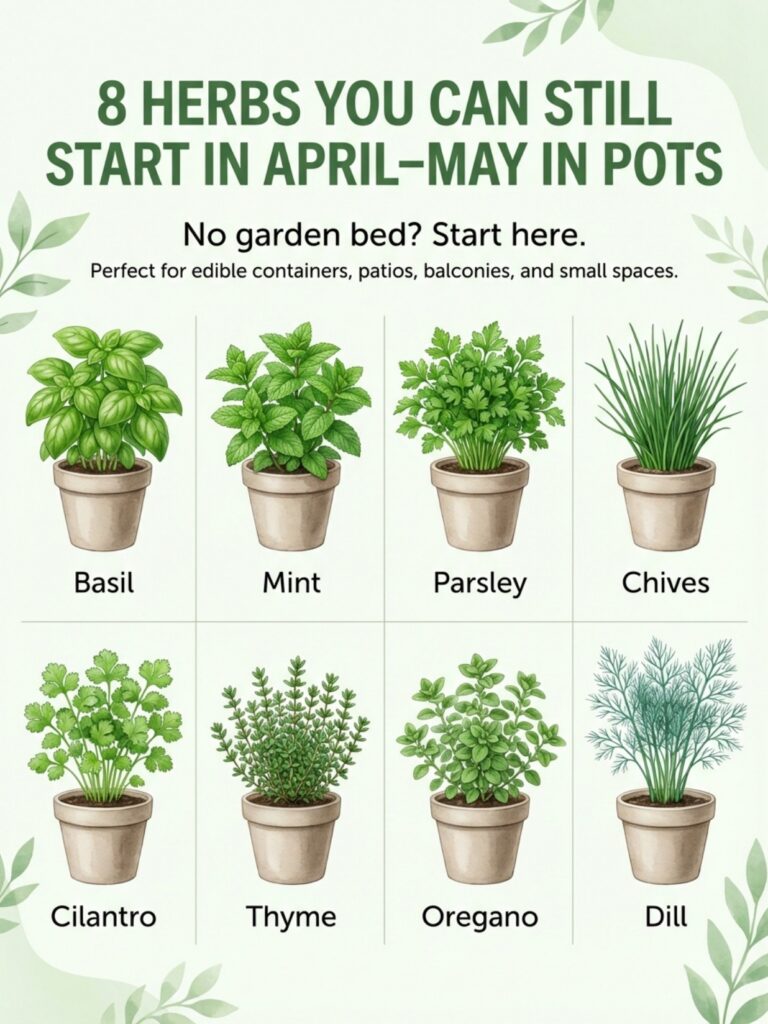
8. Basil: the herb that truly wants warm weather
Basil is one of the easiest and most useful warm-season herbs, but it hates cold. Even cool spring nights can hold it back badly.
Plant character: tender, fragrant, fast-growing, sun-loving
Best role in the garden: herb beds, tomato companions, containers, patio gardens
Practical planting tip: Do not set basil out just because tomatoes went in. Basil likes it even warmer.
Care habit that matters: Pinch regularly from the top once established. This keeps the plant bushy and delays flowering, which means more leaves for cooking.
9. Okra: one of the best choices for true summer heat
Okra is the crop for gardeners who know heat is coming and want to grow with it, not fight it. Once temperatures rise, okra often becomes one of the most reliable producers in the garden.
Plant character: heat-loving, upright, strong-rooted, highly productive in hot weather
Best role in the garden: warm climates, larger summer beds, southern gardens, sunny rows
Practical planting tip: Wait for genuinely warm soil. Okra is not impressed by early spring optimism.
Care habit that matters: Harvest pods while they are still tender. Waiting too long turns them fibrous and slows steady production.
How to prepare the bed before planting
Warm-season success begins before the plant goes in.
Check drainage
A bed that stays cold and wet after rain is not ready for peppers or cucumbers, no matter what the calendar says.
Add compost thoughtfully
Warm-season vegetables like fertile soil, but avoid turning the bed into overly rich, soggy ground. You want balanced growth, not weak, leafy excess.
Warm the soil if needed
In cooler regions, black mulch or even a few days of uncovered sun on prepared soil can help warm the bed before planting.
Install support early
Tomatoes, cucumbers, and some beans do best when supports are ready first, not added after the plants are sprawling.
Common mistakes after last frost
Planting immediately after the frost date without checking soil warmth
This is the biggest one. Frost-free does not always mean garden-ready.
Watering shallowly after transplanting
Warm-season crops need deep root establishment. Light daily watering keeps roots too close to the surface.
Crowding plants
Tomatoes, zucchini, peppers, and cucumbers all suffer when airflow is poor. A full bed should still breathe.
Forgetting to mulch
Once the soil is warm, mulch becomes one of the simplest ways to hold moisture, reduce splash, and stabilize plant stress.
A better May gardening rhythm
A productive May garden follows a simple pattern: prepare the soil, wait for stable warmth, plant with intention, support early, and water deeply. That rhythm changes the entire season. Plants grow stronger from the beginning instead of trying to recover from a stressful start.
Tomatoes give you the backbone of the summer bed. Peppers and basil bring flavor. Cucumbers and beans add steady productivity. Zucchini and summer squash reward space with abundance. Corn brings structure. Okra turns heat into an advantage.
That is the real beauty of planting after last frost. You are not just avoiding damage. You are giving each crop the conditions it needs to become vigorous, resilient, and truly productive. And once you garden that way, summer stops feeling like a struggle and starts feeling like momentum.