In the expansive realm of traditional remedies, certain plants have earned their revered status through centuries of folk medicine practice. One such powerful herb is Leonurus japonicus, more commonly known as Motherwort. Despite its somewhat formidable appearance, Motherwort holds a significant and cherished place in various traditional healing systems, particularly for its reputed benefits related to heart health and women’s well-being.
Many cultures have regarded Motherwort as a potent ally, believing in its ability to address a range of ailments. But what exactly makes this plant so special, and why does it continue to captivate those exploring natural health solutions? Let’s delve into the traditional uses, preparation methods, and important considerations surrounding this fascinating herb.
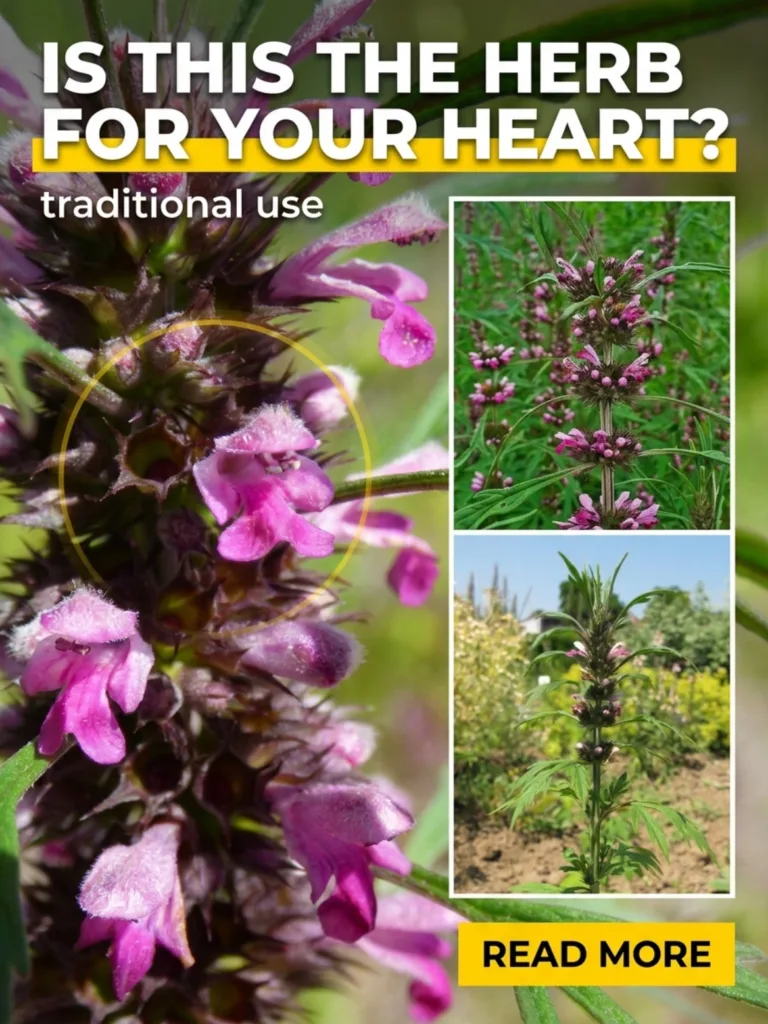
What Motherwort Is Traditionally Used For
Historically, Leonurus japonicus has been a versatile and highly valued herb in traditional medicine systems, notably in Asian and European cultures. Its traditional applications are broad, reflecting a belief in its multi-faceted properties. Some of the most common traditional uses include:
- Cardiovascular Support: Motherwort is most famously associated with heart health. Traditionally, it was used to calm a racing heart, ease palpitations, and support overall cardiovascular function, often employed for stress-induced cardiac discomfort.
- Women’s Health: As its common name suggests, Motherwort has been a staple for women. It was traditionally used to alleviate menstrual cramps, regulate cycles, and offer comfort during menopause. It was also historically used postpartum to help the uterus contract and reduce bleeding.
- Nervous System Calming: Believed to have a soothing effect on the nervous system, it was used to reduce anxiety, nervousness, and promote relaxation, particularly when stress manifested as heart symptoms.
- Anti-inflammatory Purposes: Some traditional practices employed Motherwort to alleviate various forms of inflammation.
- Diuretic Properties: As a traditional diuretic, it was thought to help the body excrete excess fluids.
Why People Still Care About Motherwort
In an era where there’s a growing interest in natural and holistic health approaches, traditional herbs like Motherwort continue to pique curiosity. People care about this plant for several reasons:
- Ancestral Knowledge: For many, its use is rooted in centuries of ancestral knowledge and cultural heritage, passed down through generations.
- Accessibility: In regions where it grows, it’s often readily available, making it a natural resource for home remedies.
- Exploration of Natural Alternatives: A desire to explore natural alternatives to conventional treatments drives interest in traditional herbs.
- Ongoing Research: While largely anecdotal in many of its applications, modern scientific research is beginning to look into the compounds within Motherwort, attempting to validate or understand its traditional claims, especially regarding its cardiac and uterine effects. This potential for scientific backing sustains interest.
Traditional Preparation Style
Traditional preparation methods for Motherwort are generally simple, focusing on extracting the beneficial compounds from the plant.
Ingredients
- Fresh or dried Motherwort plant material (leaves, flowers, and stems).
- Clean water.
Instructions
The most common traditional preparations include:
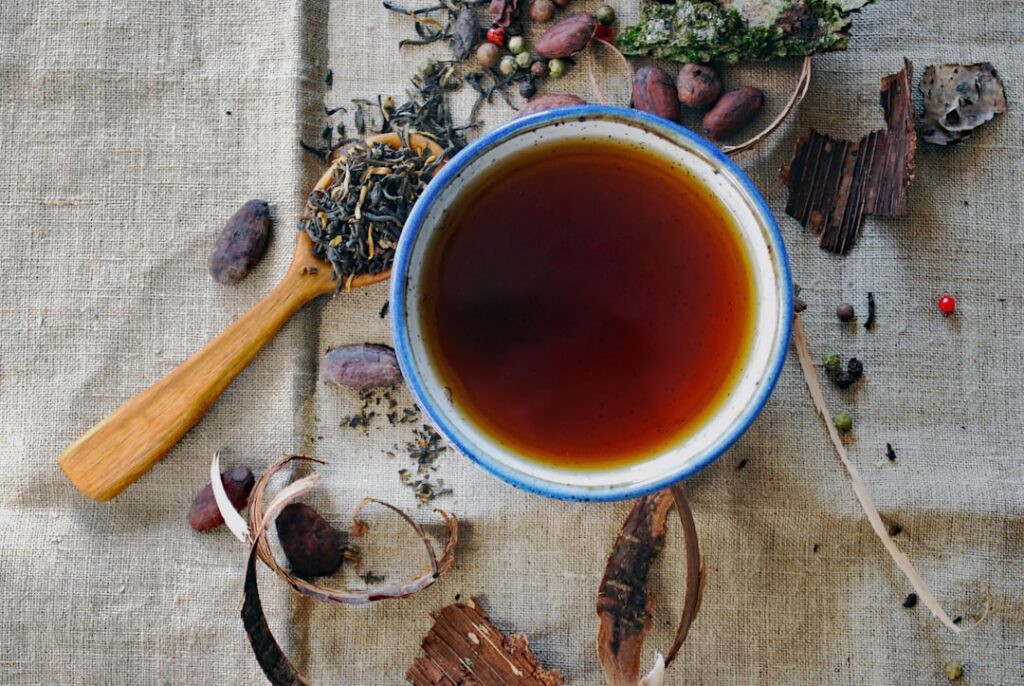
- Infusion (Steeping/Tea): This is the most common method, ideal for leaves and flowers, similar to making tea. Motherwort tea is often consumed for its calming and cardiac benefits.
- Place 1-2 teaspoons of dried Motherwort (or a small handful of fresh material) in a cup or teapot.
- Pour hot (but not necessarily boiling) water over the herb.
- Steep for 10-15 minutes, then strain.
- Decoction (Boiling): Sometimes used for tougher stems or if a stronger extraction is desired, though infusion is more typical for aerial parts.
- Chop fresh plant material or use dried pieces.
- Place in a pot with water (e.g., 1 part herb to 10 parts water).
- Bring to a boil and then simmer for 15-30 minutes, or until the liquid reduces.
- Strain the liquid and discard the plant material.
- Tincture: While a more advanced preparation, traditional herbalists often prepare Motherwort as an alcohol-based tincture for concentrated doses.
- This involves soaking fresh or dried Motherwort in high-proof alcohol for several weeks, then straining to create a potent liquid extract.
How It Is Usually Used
The prepared remedies from Motherwort are typically used in two main ways:
- Internally: Infusions or decoctions are consumed orally, often as a tea, for systemic issues like heart palpitations, anxiety, menstrual discomfort, or menopausal symptoms. Tinctures are taken in drops, diluted in water. The dosage and frequency would vary based on traditional practices and the specific ailment.
- Externally (Topically): Less common, but sometimes strong decoctions might be used as a compress for localized discomfort.
Safety Notes
While Motherwort has a long history of traditional use, it is crucial to approach its use with caution and informed awareness. Traditional use does not equate to scientific validation or guaranteed safety.
- Consult a Healthcare Professional: Always consult with a doctor or qualified healthcare practitioner before using any herbal remedy, especially if you have underlying health conditions, are pregnant, breastfeeding, or taking other medications.
- Pregnancy and Bleeding Disorders: Motherwort is traditionally used to stimulate uterine contractions and can affect blood clotting. It is generally contraindicated during pregnancy and should be used with extreme caution, if at all, by individuals with bleeding disorders or those on anticoagulant medications.
- Drug Interactions: Motherwort can interact with prescription medications, particularly blood thinners, blood pressure medications, and cardiac drugs. This is especially important for conditions like heart disease, where precise medication dosages are critical.
- Potential Side Effects: Like all remedies, herbal or otherwise, Motherwort may cause side effects in some individuals. These could include digestive upset, allergic reactions, or mild sedation.
- Identification is Key: Ensure accurate identification of the plant if harvesting yourself. Misidentification can lead to consuming toxic look-alikes.
- Lack of Standardization: Herbal preparations often lack standardized dosages, making it difficult to control the amount of active compounds consumed.
Final Thoughts
Motherwort (Leonurus japonicus), with its rich tapestry of traditional uses, stands as a testament to the enduring human quest for natural healing. From addressing heart palpitations and anxiety to providing comfort for women’s health issues, its historical applications are vast and compelling. However, as with all traditional remedies, a blend of respect for ancestral wisdom and modern scientific caution is paramount.
While the allure of natural solutions is strong, informed decision-making, guided by professional medical advice, is essential to ensure both effectiveness and safety. This intriguing plant invites us to appreciate the diversity of the natural world and the wisdom it has offered to generations past, while also urging us to proceed thoughtfully in our pursuit of wellness.
Related Science
While many of Motherwort’s uses remain in the realm of traditional and anecdotal evidence, there has been significant emerging scientific interest in its phytochemical composition and potential pharmacological activities. Research, often in preliminary stages (in vitro, animal studies, or small human trials), has begun to explore:
- Cardioactive Compounds: Studies have identified compounds like leonurine, stachydrine, and flavonoids, which are being investigated for their potential anti-arrhythmic, hypotensive (blood pressure lowering), and antioxidant effects.
- Uterine Effects: Research has explored Motherwort’s ability to stimulate uterine contractions, supporting its traditional use in postpartum care and menstrual regulation.
- Anti-inflammatory and Antioxidant Properties: Components within Motherwort exhibit antioxidant and anti-inflammatory activity, which may contribute to its broad traditional uses.
- Nervine Properties: Some studies are looking into its potential sedative or anxiolytic (anxiety-reducing) effects, aligning with its traditional use for nervous tension.
It’s important to stress that while these scientific inquiries are promising and lend support to some traditional claims, much more rigorous clinical research is needed to fully validate the therapeutic efficacy, understand optimal dosages, and ascertain the complete safety profile of using Motherwort for medicinal purposes in humans. Always refer to peer-reviewed scientific literature and consult with healthcare professionals for evidence-based information.