Eating vegan can be incredibly affordable… or surprisingly expensive.
The difference usually comes down to one simple habit: building meals around budget staples instead of relying on packaged “vegan convenience” foods.
Most people never realize this because they shop like they’re buying snacks, not meals. When you buy a few low-cost basics that stretch across multiple dishes, your grocery bill becomes more predictable and your meals become more satisfying. Discover 9 cheap vegan foods that keep you full.
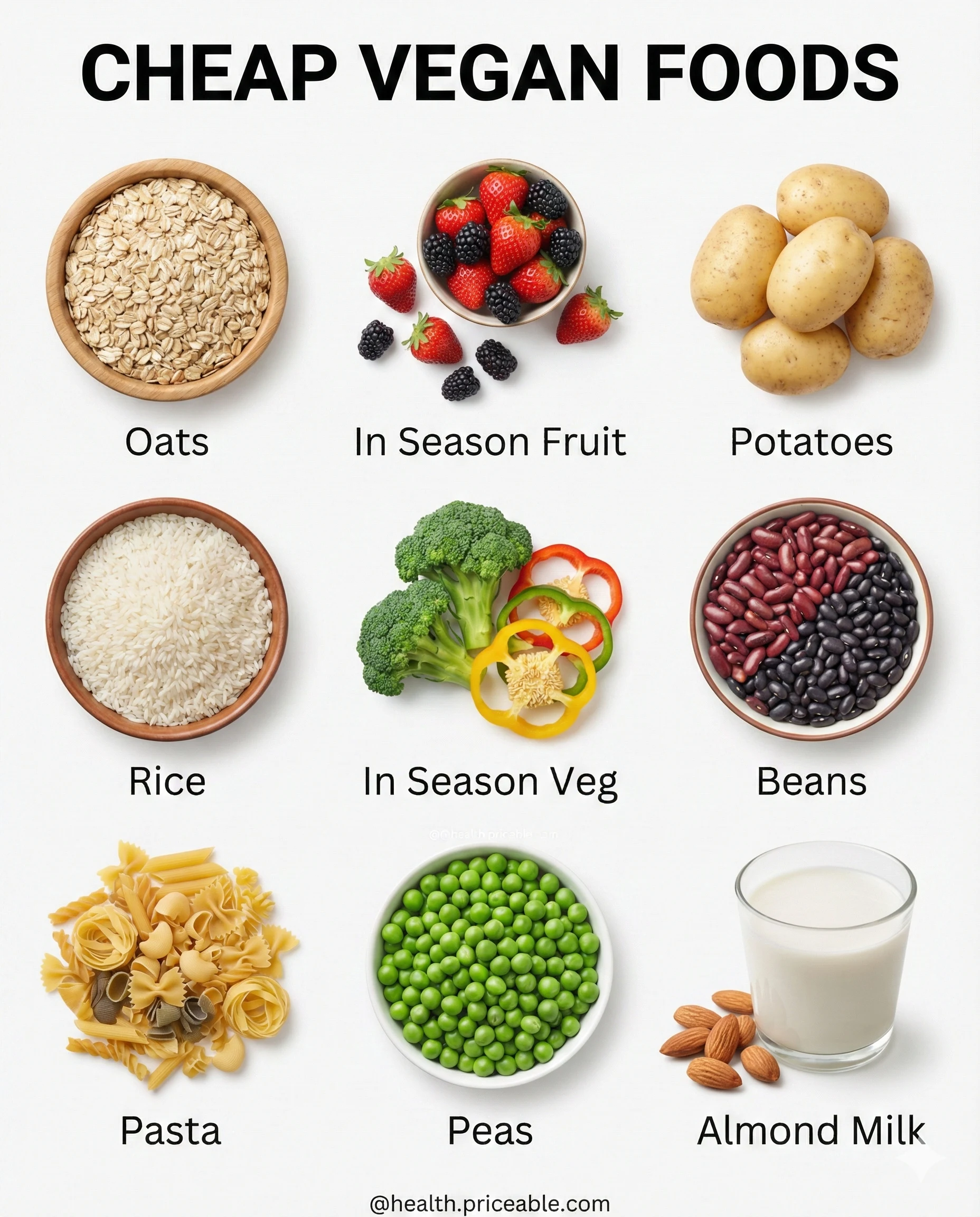
1) Oats
Oats are one of the best-value pantry staples because they provide slow-digesting carbohydrates + soluble fiber (especially beta-glucan), which supports fullness and steady energy.
Why oats help (nutrition + budget)
- Fiber helps you stay full longer
- They work for sweet or savory meals
- They store well and stretch across many recipes
Easy ways to use
- Overnight oats with fruit
- Hot oatmeal with peanut butter
- Savory oats cooked like porridge with veggies
2) In-Season Fruit
Seasonal fruit is often cheaper and tastes better because it is harvested closer to peak ripeness. It provides vitamin C, potassium, water, and antioxidants, depending on the fruit.
Why it helps
- Adds natural sweetness without desserts
- Supports hydration and digestion
- Great snack that prevents “random cravings”
Easy ways to use
- Mix into oats
- Blend into smoothies
- Eat with nuts or yogurt alternatives
3) Potatoes
Potatoes are budget-friendly and surprisingly nutritious. They provide carbohydrates, potassium, vitamin C, and resistant starch (especially when cooled after cooking), which may support gut health.
Why it helps
- Very filling for the cost
- Easy to batch cook
- Works in breakfast, lunch, and dinner
Easy ways to use
- Roasted potatoes with seasonal veg
- Mashed potatoes with lentils/beans
- Potato curry or potato soup
4) Rice
Rice is a low-cost energy base that pairs with nearly everything. It provides carbohydrates and a small amount of protein. Brown rice provides more fiber, but white rice can be easier to digest.
Why it helps
- Extremely versatile and shelf-stable
- Helps build filling meals when paired with beans/veg
- Easy to cook in bulk
Easy ways to use
- Rice + beans + veggies bowl
- Stir-fry rice with peas and vegetables
- Rice porridge (congee-style) when you want comfort food
5) In-Season Vegetables
Seasonal vegetables tend to be cheaper and fresher. They provide fiber, vitamins, minerals, and phytonutrients—all important for long-term health.
Why it helps
- Adds volume and nutrients to budget meals
- Helps you feel satisfied without needing expensive ingredients
- Supports digestion through fiber
Easy ways to use
- Roast a tray of mixed veg for the week
- Add to rice, pasta, and soups
- Stir-fry with garlic and soy sauce
6) Beans
Beans are one of the most powerful vegan budget foods because they provide protein + fiber together, which is a huge help for fullness.
Why it helps
- Protein supports muscle and satiety
- Fiber supports gut health and steady energy
- Much cheaper than most meat alternatives
Easy ways to use
- Bean chili with tomatoes and spices
- Mash into wraps or toast
- Add to salads or rice bowls
7) Pasta
Pasta is not “bad.” It is an affordable carb base that becomes a balanced meal when paired with beans, peas, and vegetables.
Why it helps
- Cheap, filling, and easy to store
- Great for meal prep
- Works well with simple sauces
Easy ways to use
- Pasta + peas + olive oil + garlic
- Pasta salad with beans and seasonal veggies
- Tomato pasta with lentils
8) Peas
Peas are an underrated budget protein source. They provide plant protein, fiber, and vitamin C, and frozen peas are often very affordable.
Why it helps
- Adds protein without expensive foods
- Great for quick meals
- Easy way to boost nutrition fast
Easy ways to use
- Add to pasta, rice, or soups
- Blend into pea pesto
- Toss into stir-fries
9) Almond Milk
Almond milk is a common vegan milk option. Nutrition depends heavily on the brand. Many are fortified with calcium and vitamin D, but protein is often low compared to soy milk.
Why it helps
- Useful for oats, smoothies, and coffee
- Fortified options can support calcium intake
- Often cheaper when bought shelf-stable in cartons
Easy ways to use
- Overnight oats
- Smoothies with fruit
- Chia pudding
How to Build a Cheap Vegan Plate Using These Foods
Use this simple formula:
- Base carb: rice, potatoes, or pasta
- Protein + fiber: beans or peas
- Volume + micronutrients: in-season vegetables
- Flavor + satisfaction: herbs, spices, sauces
- Optional: fruit or oats for breakfast/snacks
This pattern keeps meals filling without needing expensive substitutes.
When You’ll Notice Changes
- 1–3 days: fewer cravings when meals are more filling
- 2–4 weeks: steadier energy and digestion if fiber increases gradually
- Long-term: healthier budget habits and more consistent nutrition
Quick Safety Notes
- If you are new to beans and fiber, increase slowly and drink enough water to avoid bloating.
- Fortified almond milk is helpful for calcium, but if you want higher protein, consider rotating with other plant milks (if allowed in your plan).
- Budget meals work best when you season well. Do not be afraid of spices.
Final Takeaway
You do not need expensive vegan products to eat well. These 9 foods work because they are:
- Affordable
- Filling
- Flexible for many meals
- Easy to store and meal prep
Start with oats, rice, potatoes, beans, seasonal produce, and peas. Everything else becomes easier from there.
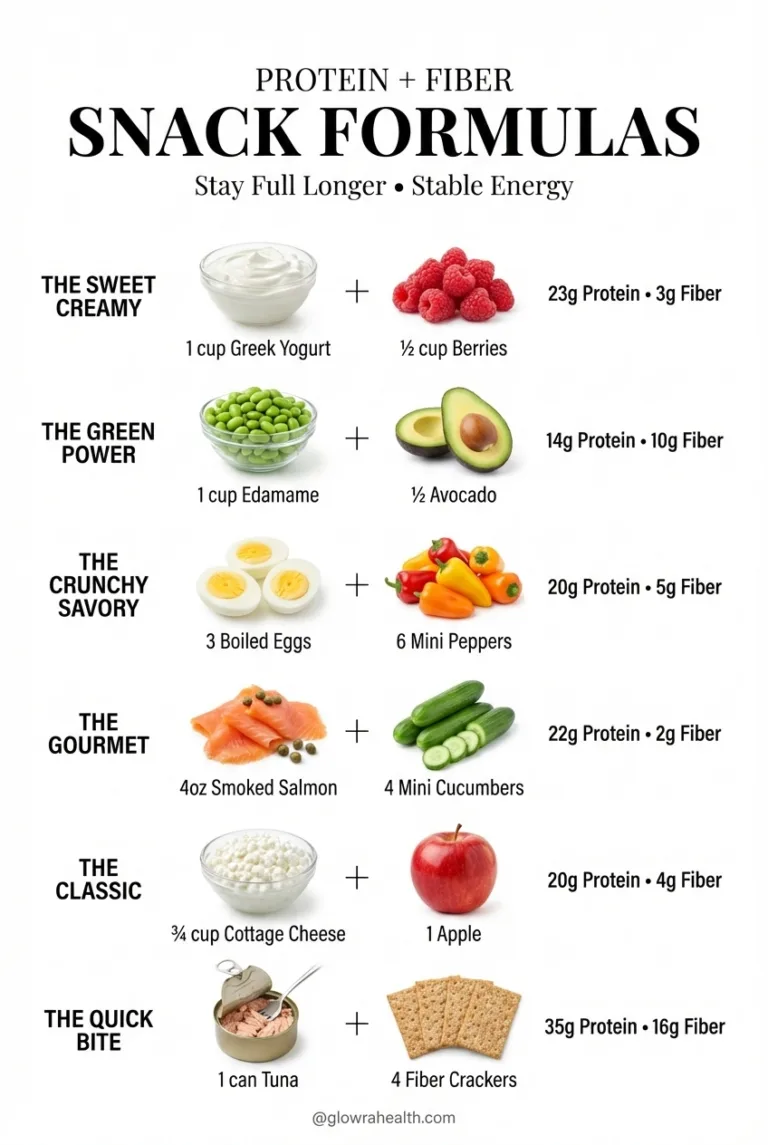
Read more “High Protein High Fiber Snacks: 12 Easy Formulas That Keep You Full”