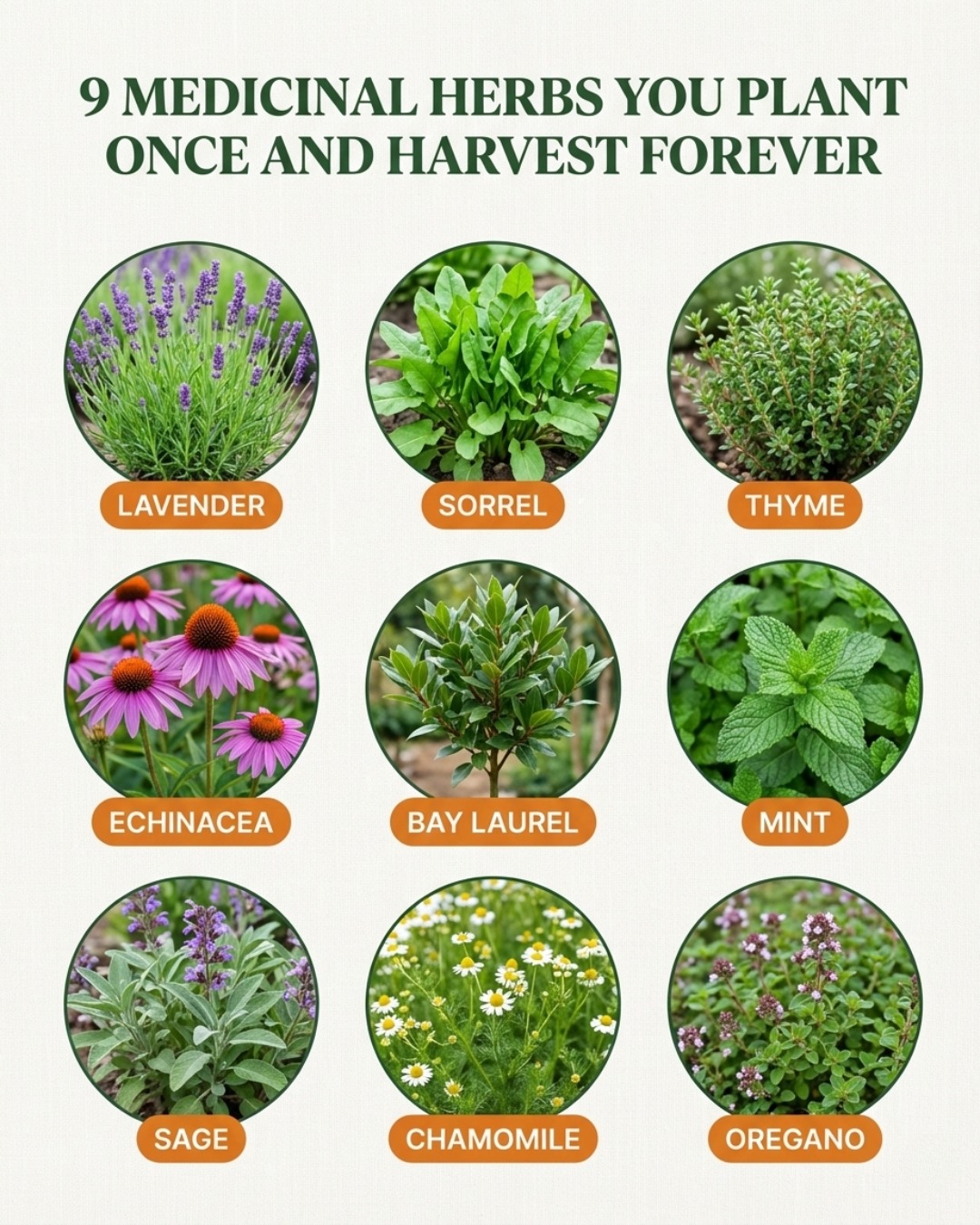
Perennial medicinal herbs such as lavender, thyme, echinacea, sage, mint, oregano, bay laurel, sorrel, and chamomile can make a garden feel useful, fragrant, and abundant.
They are not just pretty plants. Many are also used in cooking, teas, homemade bath blends, sachets, and traditional household herbal routines.
The real win is having fresh herbs right outside your door instead of buying tiny plastic clamshells every week.
“Medicinal” does not mean these plants replace medical care or treat conditions on their own.
Herbs can be part of traditional wellness routines, but safety, correct identification, proper use, and personal health factors matter.
Think of this as a practical growing guide, not medical advice.
Why it works:
- Long-term value: Many perennial herbs return year after year in suitable climates.
- Kitchen usefulness: Thyme, oregano, sage, mint, sorrel, and bay are easy to use in food.
- Pollinator support: Lavender, echinacea, oregano, thyme, and chamomile can attract beneficial insects when flowering.
- Low-maintenance potential: Established herbs often need less attention than annual vegetables.
- Harvest flexibility: Leaves, flowers, and stems can be used fresh or dried depending on the herb.
The smartest approach is to start with a few herbs you will actually use, then expand after you learn your sun, soil, and watering pattern.
Best perennial medicinal herbs to grow at home
The best perennial medicinal herbs are the ones that match your climate, space, and daily habits.
If you cook often, prioritize culinary herbs. If you enjoy tea, prioritize fragrant leaves and flowers that are commonly used in herbal infusions.
9 useful herbs to consider
- Lavender: Fragrant flowers for sachets, bath blends, pollinator gardens, and calming sensory garden spaces.
- Sorrel: Lemon-bright leaves used in salads, soups, and sauces.
- Thyme: A hardy culinary herb that works in soups, roasted vegetables, marinades, and teas.
- Echinacea: A flowering perennial often grown for pollinators and traditional herbal use.
- Bay laurel: Aromatic leaves used in soups, stews, and sauces; best in pots where winters are cold.
- Mint: Fast-growing leaves for tea, drinks, desserts, and kitchen use, but best grown in containers.
- Sage: Strongly flavored leaves for cooking, drying, and garden structure.
- Chamomile: Daisy-like flowers commonly dried for tea; some types self-sow readily.
- Oregano: A flavorful perennial herb for sauces, roasted vegetables, pizza, and pollinator-friendly flowers.
Best placement by herb type
- Dry sunny zone: Lavender, thyme, oregano, sage.
- Moist container zone: Mint.
- Flowering pollinator zone: Echinacea, chamomile, lavender, oregano.
- Patio pot zone: Bay laurel, mint, thyme, oregano.
- Salad and kitchen zone: Sorrel, thyme, oregano, sage.
What to look for before you buy perennial medicinal herb plants
Healthy herb plants save time, but the label matters as much as the leaves.
Before buying, check hardiness, mature size, growth habit, and whether the plant is safe for your household needs.
Buying guide checklist
- Correct plant name: Look for the common name and botanical name when possible.
- Hardiness zone: Choose plants that survive winters in your area, or plan to grow them in pots.
- Growth habit: Know whether the herb clumps, spreads, self-sows, or becomes woody.
- Plant health: Choose firm stems, good leaf color, and no signs of pests or rot.
- Root condition: Avoid severely root-bound plants with thick roots circling the pot.
- Organic or edible-use labeling: For culinary herbs, choose plants intended for edible gardening.
- Pesticide exposure: Avoid plants treated with chemicals not suitable for edible use.
- Container suitability: Bay laurel, mint, thyme, and oregano can work well in pots.
- Mature size: Echinacea, sage, and bay laurel may need more room than small starter pots suggest.
- Household safety: Check pet, pregnancy, allergy, and medication concerns before using herbs beyond cooking amounts.
What to avoid
- Plants with no clear name or use label.
- Wilted herbs with soggy soil and blackened stems.
- Mint planted directly in a shared bed without containment.
- Lavender in wet, heavy soil with poor drainage.
- Claims that an herb can cure or guarantee health results.
How to grow perennial medicinal herbs
Most perennial herbs need sunlight, drainage, and regular harvesting to stay productive.
The biggest mistake is treating every herb the same, because mint and lavender want very different conditions.
Basic growing steps
- Choose the site: Most herbs need 6 or more hours of sun, though some tolerate partial shade.
- Improve drainage: Add compost to poor soil, and use raised beds or pots for herbs that dislike wet roots.
- Group by water needs: Keep lavender, thyme, oregano, and sage together; keep mint separate.
- Plant at the right depth: Keep the crown level with the soil surface.
- Water to establish: Keep new plants evenly moist for the first few weeks.
- Mulch carefully: Use light mulch, but do not bury woody stems.
- Prune regularly: Light harvesting encourages bushier growth on many herbs.
- Protect in winter: Use pots, mulch, or sheltered locations for herbs that are marginal in your zone.
Easy starter bed plan
For a 4-by-6-foot herb bed, plant lavender, thyme, oregano, and sage in the sunniest, driest section.
Add echinacea toward the back, sorrel where it gets consistent moisture, chamomile near the front, and mint in a separate pot nearby.
How to harvest medicinal herbs for tea and cooking
Harvesting at the right time helps herbs stay productive and flavorful.
Use clean scissors or pruners, avoid taking too much at once, and dry herbs in a clean, ventilated space.
General harvest rules
- Harvest in the morning after dew dries but before intense heat when possible.
- Take no more than one-third of a plant at one time unless cutting it back intentionally.
- Use clean tools to reduce damage and contamination.
- Rinse only if needed, then dry thoroughly before storing.
- Label dried herbs with name and date.
Harvest by herb
- Lavender: Cut flower stems when buds are colored but not fully open for drying.
- Thyme: Snip small stems before or during early bloom.
- Oregano: Harvest leafy stems before heavy flowering for kitchen use.
- Sage: Pick individual leaves or short stems, avoiding overharvest on young plants.
- Mint: Cut stems regularly to encourage fresh growth.
- Chamomile: Harvest flower heads when petals open fully.
- Bay laurel: Pick mature leaves sparingly and dry them before long storage.
- Sorrel: Harvest tender leaves for fresh use.
- Echinacea: Grow first for strong roots and flowers; learn proper preparation before using medicinally.
Perennial medicinal herbs for beginners
Beginners should start with herbs that are forgiving, useful, and easy to harvest.
Do not plant nine herbs at once if you are new to gardening. Start with three to five and learn their growth habits.
Best beginner set
- Thyme: Compact, useful, and relatively low-maintenance in sunny, well-drained soil.
- Oregano: Productive and easy to use in everyday cooking.
- Mint: Very easy to grow, but keep it in a pot.
- Sage: Strong flavor and attractive foliage.
- Lavender: Beautiful and fragrant when drainage is right.
Beginner container plan
- One 12-inch pot for mint by itself.
- One 14-to-16-inch pot for thyme and oregano.
- One 16-inch pot for lavender or sage.
- One larger patio pot for bay laurel if your climate requires winter protection.
This setup lets you learn watering needs without committing to a full herb bed right away.
Common Mistakes + Quick Fixes
- Mistake: Planting mint in open ground. Why it matters: It can spread aggressively. Fix: Grow mint in a pot.
- Mistake: Overwatering lavender. Why it matters: Wet roots can cause decline. Fix: Use sharp drainage and water less once established.
- Mistake: Harvesting too much too soon. Why it matters: Young plants need leaves to grow. Fix: Harvest lightly until plants are established.
- Mistake: Ignoring plant labels. Why it matters: Hardiness and size vary. Fix: Check zone, mature height, and edible-use labeling.
- Mistake: Drying herbs in a damp place. Why it matters: Moisture can cause mold. Fix: Dry herbs in a warm, airy, shaded location.
- Mistake: Using herbs medicinally without checking safety. Why it matters: Herbs can interact with conditions or medications. Fix: Research carefully and ask a qualified professional when needed.
- Mistake: Planting everything in one water zone. Why it matters: Dry-loving and moisture-loving herbs struggle together. Fix: Group herbs by water needs.
Safety Note
Correct identification is essential before using any herb for tea, cooking, or traditional remedies.
Some herbs may be unsafe for pets, children, pregnancy, nursing, allergies, specific medical conditions, or medication use.
Use herbs in normal culinary amounts unless you have reliable guidance for stronger preparations.
Do not treat herbs as a substitute for professional medical care, and avoid making health claims based only on garden tradition.
Timeline: What to Expect
Same day
You can plant starter herbs in pots or a prepared bed, water deeply, and label each plant.
Place mint in its own container from the beginning.
1 week
Plants may still be adjusting and may not show much new growth yet.
Check moisture, remove damaged leaves, and make sure sun exposure matches the plant’s needs.
2 to 4 weeks
Many herbs begin showing fresh tips or stronger stems if conditions are right.
You may be able to harvest lightly from fast growers like mint, oregano, or thyme, but avoid cutting back new plants heavily.
FAQ
What are the best perennial medicinal herbs to grow at home?
Useful choices include lavender, thyme, echinacea, sage, mint, oregano, bay laurel, sorrel, and chamomile.
The best options depend on your climate, sunlight, soil drainage, and how you plan to use the herbs.
What should you look for before you buy perennial medicinal herb plants?
Look for correct plant names, hardiness zone, growth habit, edible-use labeling, healthy roots, and pesticide information.
Also check whether the herb is safe for your household and intended use.
How do you grow perennial medicinal herbs?
Give most herbs sun, drainage, proper spacing, and regular light harvesting.
Group herbs by water needs and grow aggressive spreaders like mint in containers.
How do you harvest medicinal herbs for tea and cooking?
Harvest with clean scissors, take only a portion of the plant, and dry herbs in a clean, airy place if storing them.
Label dried herbs with the plant name and date.
What are the best perennial medicinal herbs for beginners?
Thyme, oregano, mint, sage, and lavender are good beginner choices when planted in the right conditions.
Mint is easy but should be grown in a pot because it spreads quickly.
Can medicinal herbs grow in containers?
Yes. Mint, thyme, oregano, bay laurel, sage, and lavender can all grow in containers with proper drainage and sunlight.
Containers are especially useful for herbs that spread or need winter protection.
Are perennial herbs safe to use for tea?
Some herbs are commonly used for tea, but safety depends on the plant, preparation, dose, and the person using it.
Check reliable guidance before using herbs medicinally, especially if pregnant, nursing, taking medication, or managing a health condition.
Before buying plants, compare hardiness, safety, drainage needs, mature size, and how often you will actually use each herb. A smaller herb garden you harvest often is better than a large one you forget.
Final Takeaway
- Perennial medicinal herbs can provide years of kitchen, tea, fragrance, and garden value in the right conditions.
- Start with easy herbs like thyme, oregano, mint in a pot, sage, and lavender.
- Use dry sunny zones for lavender, thyme, oregano, and sage.
- Keep mint contained so it does not spread through the garden.
- Buy clearly labeled, healthy plants intended for edible or herb-garden use.
- Use herbs thoughtfully and check safety before using them beyond normal culinary amounts.