Ever noticed how the same healthy food can feel completely different depending on when you eat it? Many people don’t realize that timing is a powerful, yet often overlooked, factor in how your body responds to food. It’s not just about what you eat, but also when and how you eat it.
This insight can transform your energy levels, manage your appetite, and even improve your sleep. Understanding these nuances helps you get the most out of your nutrient-rich choices, aligning your meals with your body’s natural rhythms for optimal wellness.
Morning Fuel: Kickstarting Your Day for Stable Energy
The foods you choose in the morning set the stage for your energy and hunger throughout the day. A well-constructed breakfast can prevent those mid-morning slumps and reduce cravings later on.
Protein-Rich Starts: Lasting Fullness and Stable Energy
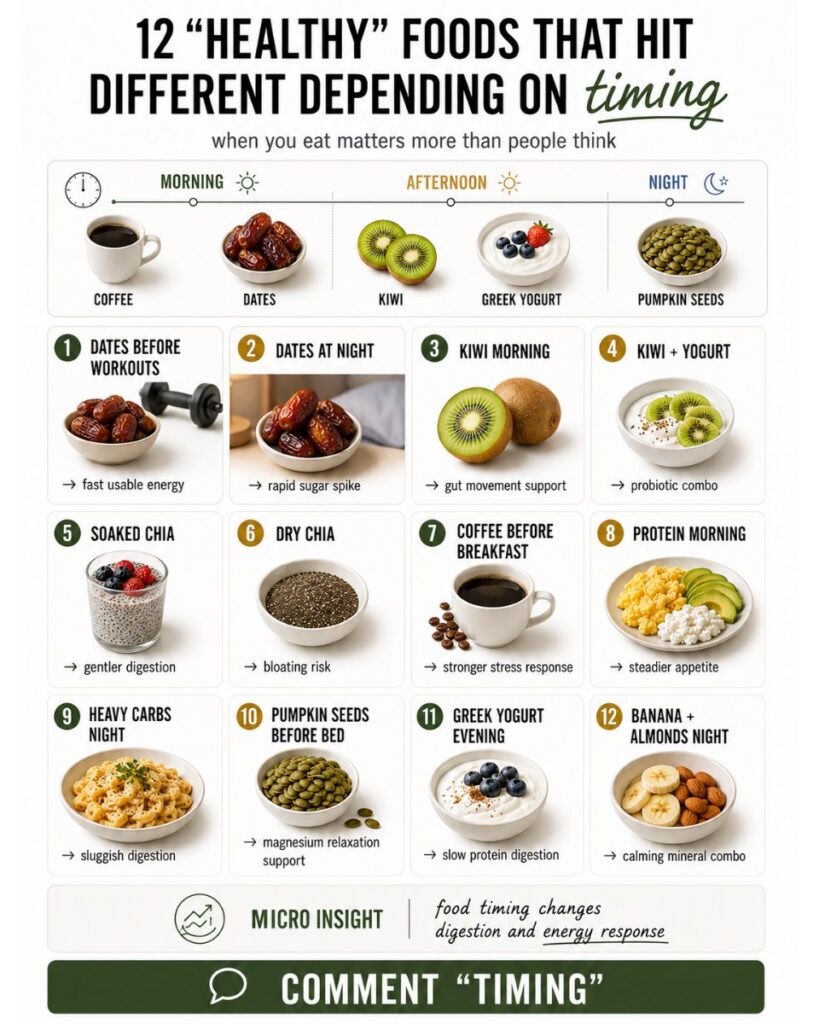
Opting for a protein-packed breakfast, like scrambled eggs with vegetables or a smoothie with protein powder, can significantly impact your appetite regulation. Protein takes longer to digest, promoting a feeling of fullness that can last for hours. This helps prevent overeating and supports more stable blood sugar levels.
- Scrambled Eggs with Spinach & Feta: A quick, nutrient-dense option.
- Greek Yogurt with Berries & Nuts: Excellent for protein and healthy fats, easily prepared in overnight oats jars for busy mornings.
- Protein Smoothie: Combine protein powder, spinach, banana, and a healthy fat source like almond butter.
 Start your day with protein and fiber for sustained energy.
Coffee Timing: Enhancing Focus, Minimizing Jitters
While coffee is a morning staple for many, its timing can matter. Drinking coffee on an empty stomach might sometimes intensify feelings of stress or lead to digestive discomfort for sensitive individuals. Pairing it with food can help buffer its effects and provide a more balanced energy lift.
Afternoon Power: Sustaining Focus and Beating the Slump
The afternoon often brings energy dips and the temptation for sugary snacks. Strategic food choices can help you maintain focus and power through your day without crashing.
Complex Carbs and Healthy Fats for Sustained Release
Foods like dates, while healthy and energizing, can feel heavy and disrupt sleep if eaten too close to bedtime due to their natural sugar content. However, before a workout in the afternoon, their quick energy can be a great boost. Pairing them with a handful of nuts adds healthy fats to slow sugar absorption.
Similarly, a balanced lunch with complex carbohydrates (like quinoa or whole-grain pasta) alongside lean protein and vegetables supports sustained energy rather than a sharp spike and crash. This helps you avoid the common afternoon brain fog.
The Chia Seed Conundrum: Soaked vs. Dry
Chia seeds are nutritional powerhouses, but their preparation matters. Dry chia seeds, if not adequately hydrated, can absorb water from your digestive system and potentially lead to bloating or discomfort. Soaked chia seeds, however, form a gel-like consistency that is much gentler on the stomach and aids in smooth digestion. Always ensure your chia seeds are fully hydrated before consuming, especially if adding them to a meal prep container for later.
 Soaked chia seeds are easier on digestion and perfect for meal prep.
Evening Harmony: Foods for Calm Digestion and Restful Sleep
Your body slows down in the evening, so food choices that support calm digestion and promote relaxation are key for quality sleep. Heavy, fatty, or sugary foods too close to bedtime can disrupt this natural wind-down process.
Gentle Foods for Nighttime Nourishment
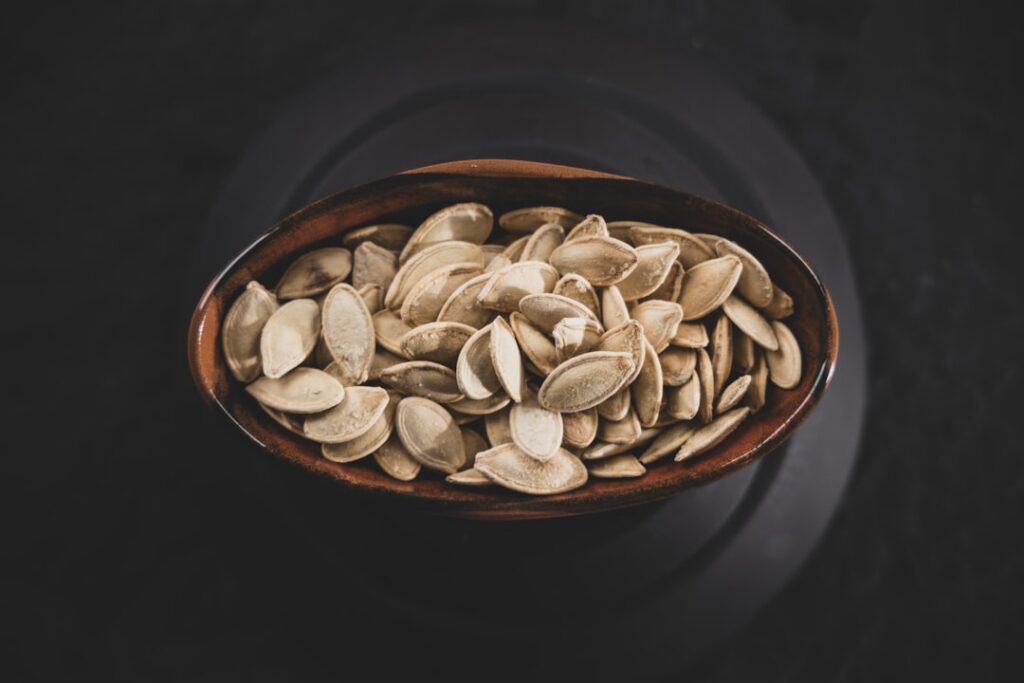
Consider choices like kiwi fruit, which contains serotonin, a precursor to melatonin that aids sleep. Pumpkin seeds offer magnesium, known for its relaxing properties. A small bowl of whole-grain pasta with a light sauce, consumed a few hours before bed, can provide tryptophan (another sleep-supporting amino acid) without overburdening your digestive system. These are excellent healthy late night snacks that won’t leave you feeling sluggish.
The Importance of Balanced Evening Snacks
If you need an evening snack, aim for a balanced option that combines a little protein, fiber, or healthy fat. This could be a small handful of almonds, a piece of fruit with nut butter, or a glass of warm milk. These choices help stabilize blood sugar and prevent hunger pangs from interrupting sleep.
 Kiwi and pumpkin seeds offer nutrients that can support relaxation.
Micro Insight: Listen to Your Body’s Unique Clock
Every individual responds differently to food timing. Factors like activity level, stress, and underlying health conditions all play a role. The key is to pay attention to your own body’s signals and adapt your eating schedule accordingly.
Understanding Your Unique Needs: The Next Step
While general guidelines are helpful, truly understanding how food timing impacts your personal health can involve a deeper dive. For instance, individuals concerned about blood sugar regulation might benefit from personalized insights, which can sometimes be gained through tools like CGM sensors or regular blood tests, such as HbA1c and fasting glucose. These lab markers provide objective data on how different foods and timings affect your body’s metabolic response.
If you’re seeking more tailored guidance, consulting with a healthcare professional can be invaluable. A dietitian consultation or medical nutrition therapy session can provide personalized advice based on your health goals and lifestyle. Many find these services a beneficial part of their wellness journey, and it’s often worth exploring if your employer health plans or private coverage options include support for nutritional counseling, depending on country-specific rules for insurance and prescription referrals. [Read next: Understanding Blood Sugar Friendly Meal Prep]
Conclusion
Optimizing your food timing is a simple yet powerful strategy for enhancing your energy, managing your appetite, and improving your overall well-being. By understanding how different foods ‘hit’ at various times of the day, you can make more informed choices that align with your body’s natural rhythms. Start by experimenting with a few timing shifts and observe how your body responds – you might be surprised by the positive changes.
This is general information, not medical advice. [Source: Harvard Health]