For generations, the sight of a dandelion popping up in a perfectly manicured lawn has often been met with a sigh and a swift removal. Labeled as stubborn weeds, these cheerful yellow flowers have long been underestimated. However, it’s time to re-evaluate our perception, especially when we consider their profound importance to the natural world around us. Far from being a nuisance, dandelions are a cornerstone of early-season biodiversity, offering a lifeline to countless insect species, particularly our precious pollinators.
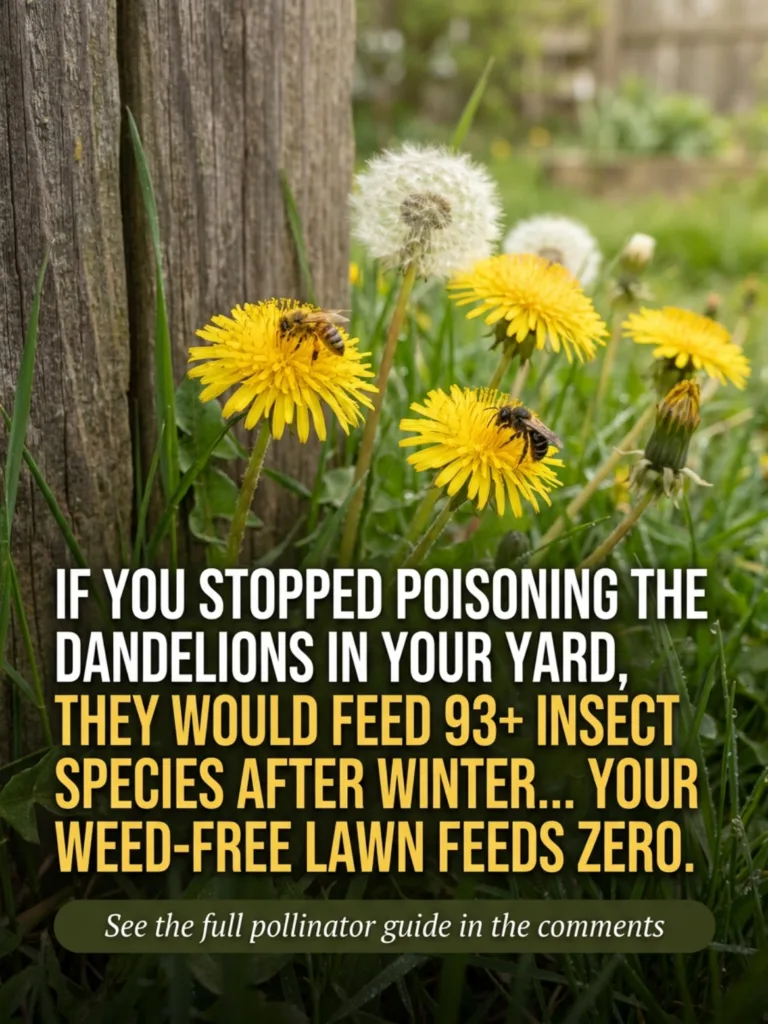 Dandelions provide essential early-season nectar and pollen for hungry pollinators like bees.
The Early Bloom Advantage: Why Dandelions Are Crucial
As winter gives way to spring, dandelions are often among the first flowers to emerge, sometimes even pushing through lingering snow. This early appearance is not just a sign of resilience; it’s a critical timing advantage. Many pollinators, especially queen bees emerging from hibernation, are desperate for food to fuel their new colonies after a long, lean winter. With other nectar and pollen sources still scarce, dandelions step in as a vital early buffet.
- Abundant Nectar: Dandelions produce a generous supply of nectar, a sugary liquid that provides essential energy for active insects.
- Rich Pollen: Their bright yellow anthers are packed with protein-rich pollen, crucial for the development of bee larvae and the health of adult insects.
- Accessibility: The simple, open structure of a dandelion flower makes its resources easily accessible to a wide variety of insect mouthparts, unlike some more complex blooms.
Who Benefits from the Dandelion’s Bounty?
While we often think of honeybees, the list of creatures that rely on dandelions is much longer and more diverse:
Bees of All Kinds
Beyond honeybees, dandelions are a favorite of native bees, including bumblebees, solitary bees, and mason bees. Queen bumblebees, in particular, depend heavily on early dandelion blooms to gather enough energy and nutrients to start their new nests.
Butterflies and Moths
Many early-season butterflies and moths also seek out dandelions for a much-needed energy boost after emerging from their overwintering stages. The easily accessible nectar helps them to refuel and begin their mating and egg-laying cycles.
Other Beneficial Insects
Dandelions also support other beneficial insects, such as hoverflies, which are important pollinators themselves and whose larvae can help control garden pests like aphids. Ladybugs and other predatory insects might also visit dandelions, finding refuge or hunting smaller prey attracted to the flowers.
Beyond Pollinators: Dandelions and Soil Health
The benefits of dandelions extend even further, contributing to the overall health of our ecosystems:
- Soil Aeration: Their long taproots can penetrate compacted soil, creating channels for air and water, and drawing up nutrients from deep within the earth.
- Nutrient Cycling: When dandelion leaves decay, the nutrients they’ve gathered are released back into the topsoil, enriching it for other plants.
Embracing Dandelions in Your Garden
If you’re looking to support local biodiversity and give a helping hand to pollinators, rethinking your relationship with dandelions is a great place to start. Here are a few simple ways to co-exist with these unsung heroes:
- Embrace “No-Mow May”: Consider delaying your first mow of the season. Allowing dandelions and other early wildflowers to bloom uninterrupted provides a crucial food source for emerging insects.
- Reduce Pesticide Use: Herbicides designed to kill dandelions also harm the very insects that rely on them. Opt for natural gardening practices whenever possible.
- Create a Wild Patch: Dedicate a small area of your garden to wilder growth, where dandelions and other native plants can thrive undisturbed.
- Educate Others: Share the knowledge! Help friends and neighbors understand the ecological importance of dandelions.
A Shift in Perspective
The next time you see a cheerful yellow dandelion peeking through your lawn, pause and appreciate its true value. It’s not just a ‘weed’; it’s a critical early food source, a soil improver, and a vibrant symbol of resilience in nature. By changing our perspective, we can play a small but significant role in nurturing the health and biodiversity of our local environment, one dandelion at a time.