Pruning, often considered a mysterious art, is in fact a fundamental practice for any successful gardener. Far from just hacking away at branches, proper pruning is a strategic technique that promotes plant health, enhances flowering and fruiting, improves structural integrity, and maintains desired plant size and shape. For both novice and experienced gardeners, understanding the ‘why,’ ‘when,’ and ‘how’ of pruning can transform your garden into a thriving oasis.
Many gardeners are hesitant to prune, fearing they might harm their plants. While it’s true that incorrect pruning can be detrimental, armed with the right knowledge and tools, you’ll gain the confidence to make the right cuts. This guide will demystify the process, helping you prune like a pro.
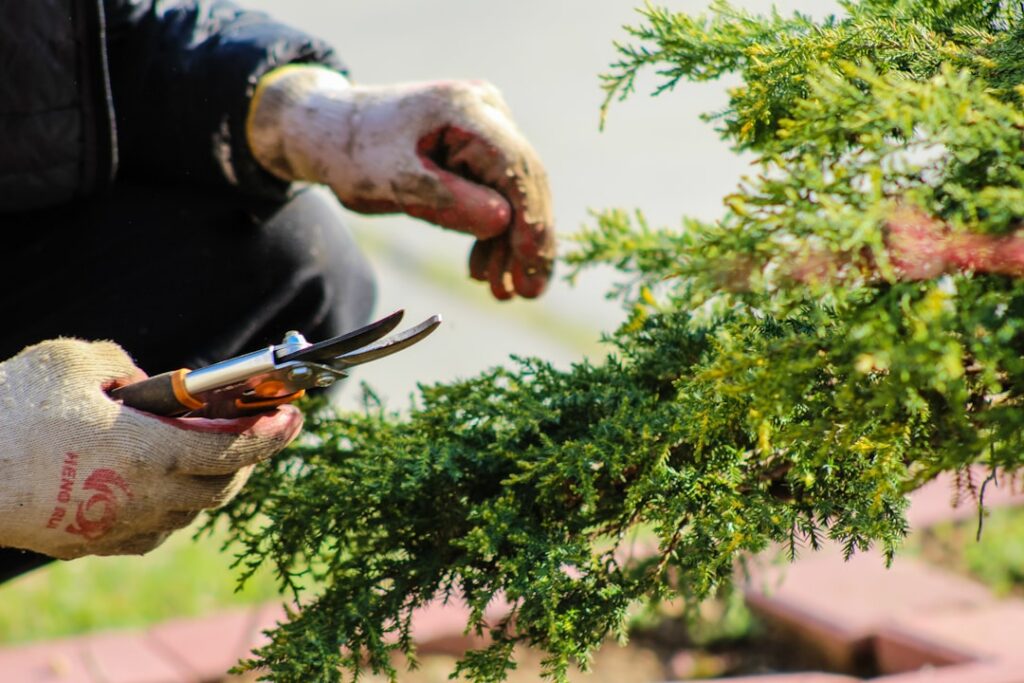
 Learn the correct pruning techniques to ensure healthy plant growth.
Why Prune Your Plants? The Benefits Are Abundant
Pruning is more than just aesthetics; it’s vital for plant vitality and productivity. Here are the key reasons why you should incorporate regular pruning into your garden care routine:
- Promotes Plant Health: Removing dead, diseased, or damaged branches prevents the spread of pathogens and pests, allowing the plant to focus energy on healthy growth.
- Enhances Flowering and Fruiting: Strategic pruning can stimulate more blooms and a larger harvest by encouraging new growth and improving light penetration.
- Improves Plant Structure: Pruning helps maintain a strong, balanced framework, preventing weak branches that could break under the weight of snow, wind, or heavy fruit loads.
- Controls Size and Shape: Keep plants within their designated space and create desired forms, whether for aesthetics or practical reasons (e.g., clearance for pathways).
- Increases Air Circulation: Thinning out dense foliage improves airflow, which can reduce the incidence of fungal diseases.
Understanding Your Pruning Tools: Choosing the Right Cut
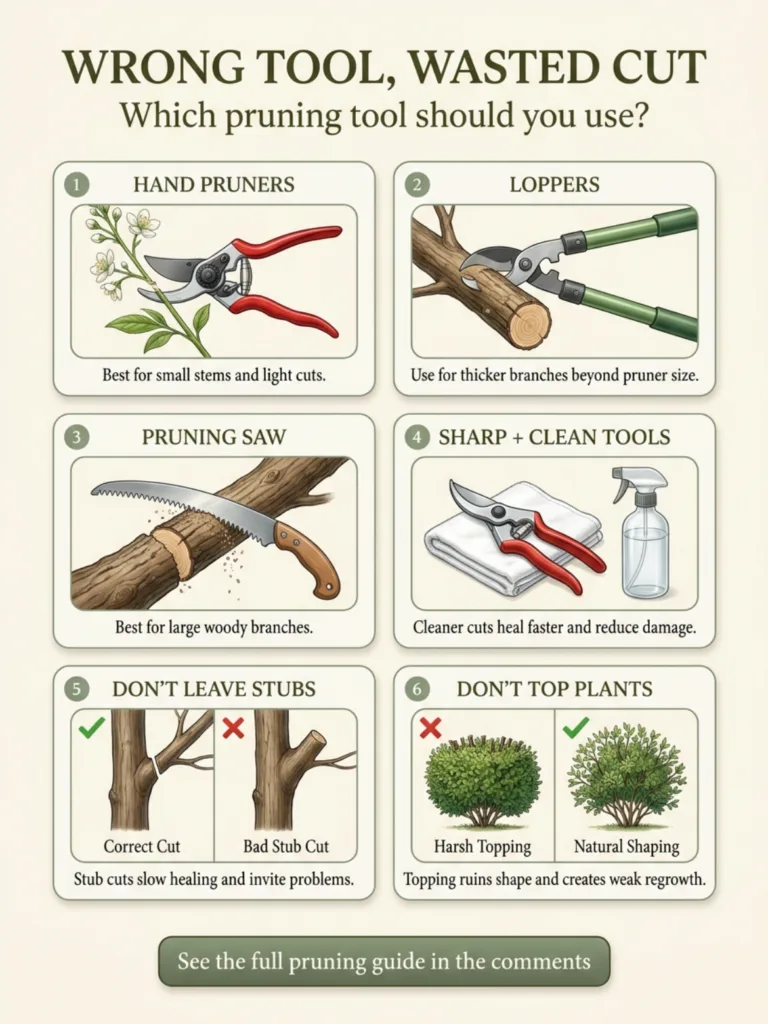
Having the correct tool for the job makes all the difference. Using an inappropriate tool can damage your plants and make the task unnecessarily difficult. Here are the essential pruning tools:
1. Hand Pruners (Bypass and Anvil)
- Best for: Small branches and stems up to 3/4 inch (about 2 cm) in diameter.
- Bypass Pruners: Work like scissors, with two blades that bypass each other, making clean cuts that are ideal for live stems. These are generally preferred for most pruning tasks.
- Anvil Pruners: Have a sharp blade that closes onto a flat anvil, best for dead wood. They can crush live stems, so use with caution.
2. Loppers
- Best for: Thicker branches, typically 1 to 2 inches (2.5 to 5 cm) in diameter.
- Features: Long handles provide leverage, making it easier to cut through tougher material.
3. Pruning Saws
- Best for: Branches larger than 2 inches (5 cm) that loppers can’t handle.
- Types: Available in various forms, including curved blade, folding, and pole saws (for high branches). Always choose a sharp, clean saw.
Pro Tip: Always keep your tools clean and sharp. Dull tools tear and damage plant tissue, making plants more susceptible to disease. Clean blades with rubbing alcohol after pruning diseased plants to prevent spreading pathogens.
The Golden Rules of Pruning: Making the Right Cuts
Now that you have the right tools, let’s dive into the techniques illustrated in our infographic to ensure your cuts promote plant health, not harm.
1. Cut Close, But Not Too Close
- Correct: Make your cut just outside the branch collar – the slightly swollen area where a branch joins a larger stem or trunk. This collar contains specialized cells that help the wound heal quickly.
- Incorrect: Don’t cut flush with the main stem, as this removes the branch collar and inhibits proper healing. Also, avoid leaving long stubs, which are prime entry points for pests and diseases.
2. Prune Above a Bud or Branch
- Correct: When shortening a branch or stem, cut about 1/4 inch (0.6 cm) above a healthy outward-facing bud or side branch. Angle the cut slightly away from the bud to direct water runoff.
- Incorrect: Cutting too far above the bud leaves a stub, and cutting too close can damage the bud itself.
3. Prioritize Removing Dead, Diseased, or Damaged Wood
- Correct: This is always the first step in any pruning job. Identify and remove any branches that are broken, discolored, or show signs of disease. Cut back to healthy wood.
- Incorrect: Leaving diseased wood allows the infection to spread throughout the plant.
4. Address Crossing and Rubbing Branches
- Correct: Identify branches that are rubbing against each other. This friction creates wounds, inviting pests and diseases. Choose the stronger, better-placed branch and remove the weaker or less desirable one.
- Incorrect: Ignoring crossing branches leads to chronic wounds and potential structural weakness.
5. Thinning vs. Heading Cuts
- Thinning Cuts: Remove an entire branch back to its point of origin or to a main stem. This opens up the plant, improves air circulation, and reduces overall size without sacrificing natural shape.
- Heading Cuts: Shorten a branch, cutting back to a bud or side branch. This stimulates dense growth and can be used to control shape or encourage bushiness. Use sparingly to avoid an unnatural appearance.
6. The Three-Cut Method for Large Branches
When removing large, heavy branches, use the three-cut method to prevent bark tearing:
- Undercut: Make a cut on the underside of the branch, about 6-12 inches (15-30 cm) from the trunk, going about one-third of the way through the branch.
- Top Cut: Make a second cut from the top, a few inches further out from the first undercut. The branch will break cleanly at this point, preventing it from peeling down the trunk.
- Final Cut: Remove the stub by cutting just outside the branch collar.
 Precision is key to healthy pruning and thriving plants.
When is the Best Time to Prune?
While specific timing can vary greatly depending on the plant species and your climate zone, here are some general guidelines:
- Dormant Season (Late Winter to Early Spring): This is generally the best time for most deciduous trees and shrubs. The absence of leaves allows for clear visibility of the plant’s structure, and plants are less susceptible to stress or disease.
- After Flowering: Prune spring-flowering shrubs and trees (e.g., lilacs, dogwoods) immediately after they finish blooming. Pruning earlier would remove the flower buds for the current season.
- Summer Pruning: Can be used for light shaping, removing suckers, or to slow growth on overly vigorous plants.
- Avoid Late Fall: Pruning too late in the fall can stimulate new growth that won’t have time to harden off before winter, making it vulnerable to frost damage.
Final Thoughts: Prune with Confidence
Pruning is an ongoing dialogue with your plants, helping them reach their full potential. It might seem daunting at first, but with a bit of practice and by following these guidelines, you’ll soon develop an intuitive understanding of what your plants need. Remember, every cut should have a purpose. Step back regularly to assess your work, and your garden will thank you with vibrant health and abundant beauty.