Unlock the Full Potential of Your Coneflowers: A Guide to Deadheading and Wildlife Support
Coneflowers (Echinacea) are a beloved staple in many gardens, admired for their vibrant daisy-like blooms, resilience, and appeal to pollinators. These hardy perennials bring a splash of color from summer through fall and are surprisingly low-maintenance. However, to truly maximize their bloom potential and contribute to your local ecosystem, a little strategic care goes a long way. This guide will walk you through the art of deadheading and the ecological benefits of leaving some spent flowers for nature.
The Art of Deadheading: More Blooms for Your Garden
What is Deadheading?
Deadheading is simply the process of removing spent or faded flowers from a plant. For many perennials, including coneflowers, this practice isn’t just about tidiness; it’s a vital technique to encourage a prolonged blooming season. When a flower fades, the plant typically shifts its energy towards producing seeds. By removing these spent blooms, you redirect that energy back into creating more flowers, leading to a bushier plant with a longer display.
When and How to Deadhead Coneflowers
The key to successful deadheading with coneflowers is timing. As the saying goes, “Don’t cut coneflowers too soon.” Wait until the bloom is truly spent, with petals withered and perhaps even starting to brown. Cutting too early can remove potential food sources for pollinators or hinder the plant’s natural cycle if you intend to collect seeds later.
To deadhead, use clean, sharp pruning shears or scissors. Make your cut just below the spent flower head, above a new leaf, bud, or a healthy side branch. This encourages new growth and subsequent blooms. Regular deadheading every week or two during the blooming season can significantly extend the floral show in your garden.
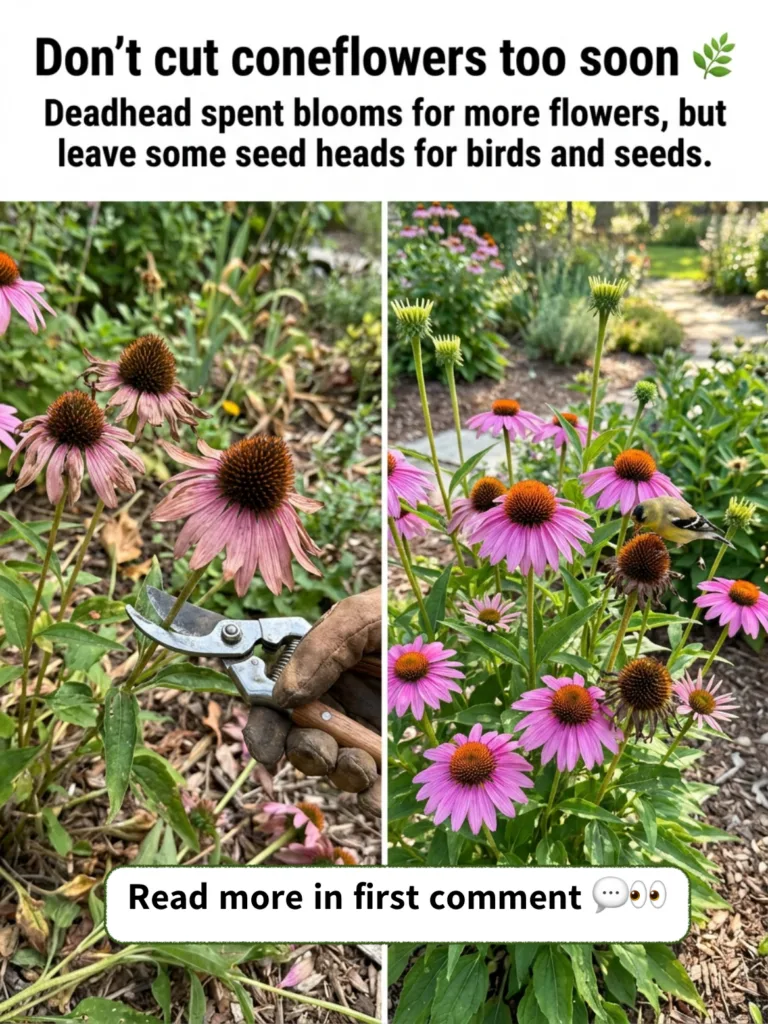 Strategic deadheading encourages more blooms throughout the season.
A Feast for Wildlife: Leaving Seed Heads for Nature
While deadheading is great for gardeners who want more flowers, there’s a strong case to be made for leaving some coneflower seed heads intact, especially as the season wanes. This brings us to the second crucial piece of advice: “leave some seed heads for birds and seeds.”
Supporting Our Feathered Friends
Coneflower seed heads are a vital food source for many bird species, particularly American Goldfinches. These cheerful yellow birds are often seen clinging to the dried seed heads, feasting on the nutritious seeds throughout the fall and into winter. By leaving some of these architectural structures in your garden, you provide essential sustenance when other food sources become scarce, turning your garden into a vibrant wildlife haven even in colder months.
Winter Interest and Self-Seeding
Beyond benefiting birds, dried coneflower seed heads add beautiful winter interest to your landscape. Their sturdy, dark forms can provide structure and texture against a snowy backdrop. Furthermore, leaving some seed heads allows the plants to self-seed, potentially leading to new coneflower plants popping up in your garden next spring. This can be a delightful way to expand your coneflower patches naturally, though you might need to thin them out if they become too crowded.
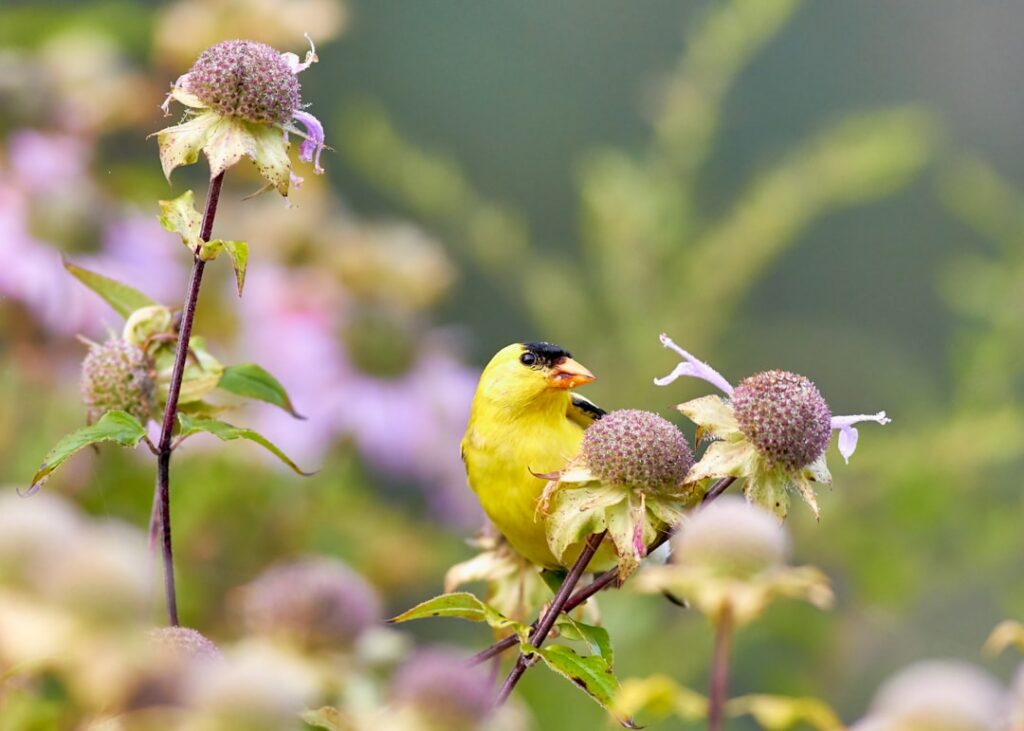 Leaving some seed heads provides a crucial food source for birds like the American Goldfinch.
General Coneflower Care Tips
To ensure your coneflowers thrive, here are some general care guidelines:
- Sunlight: Coneflowers love full sun, needing at least 6 hours of direct sunlight per day to produce the most abundant blooms.
- Soil: They prefer well-drained soil and are quite tolerant of various soil types, including clay, as long as it doesn’t stay waterlogged.
- Watering: Once established, coneflowers are remarkably drought-tolerant. Water regularly during their first growing season, then less frequently as they mature.
- Fertilizing: Generally, coneflowers don’t require much fertilization. A layer of compost in spring can provide sufficient nutrients.
- Pest and Disease: They are quite resistant to most pests and diseases, making them a low-fuss choice for any gardener.
Finding the Balance: Your Coneflower Strategy
Ultimately, the best approach to coneflower care involves a thoughtful balance. Deadhead a portion of your spent blooms early in the season to encourage continuous flowering and enjoy a prolonged burst of color. As late summer and fall approach, consciously decide to leave some of the remaining seed heads to support local wildlife and add architectural beauty to your winter garden.
By adopting this balanced strategy, you not only ensure your garden remains a vibrant spectacle for you to enjoy but also transform it into a vital resource for birds and other creatures, fostering a healthier, more dynamic ecosystem right in your backyard.
Happy gardening!